Read on France 24
Strategic Significance: Why Israel's Repeated Strikes Target Iran's South Pars Gas Field
For the second time since the conflict began, Israeli airstrikes have targeted petrochemical plants within Iran's South Pars gas field complex. This critical energy asset, a cornerstone of Iran's economy and a key player in global gas markets, has become a focal point of regional escalation. The March 18 attack on the same complex previously prompted retaliatory Iranian strikes on regional energy infrastructure. This analysis explores the immense strategic and economic importance of South Pars for Iran and the wider world, while also noting Pakistan's recent initiative to offer public transport to mitigate the regional energy crisis's impact on its citizens.
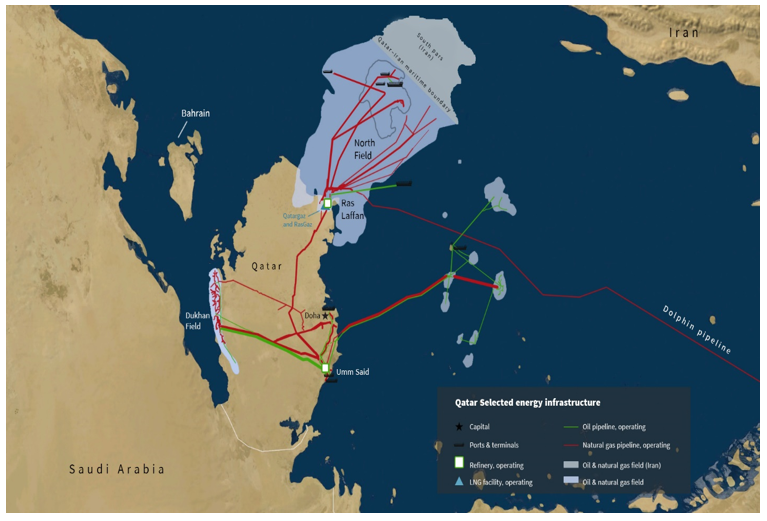
In a significant escalation of regional hostilities, Israeli airstrikes have once again struck at the heart of Iran's energy sector, targeting two petrochemical plants within the vast South Pars gas field complex. This marks the second such attack on this critical infrastructure since the onset of the current conflict, following a previous strike on March 18. The earlier assault directly triggered a wave of retaliatory Iranian strikes on energy installations across the Middle East, highlighting the field's role as a strategic pressure point. Understanding why this specific complex is a repeated target requires examining its paramount importance to Iran's national economy, its influence on global energy security, and its symbolic value in the geopolitical standoff.
The Economic Lifeline: South Pars and Iran's Economy
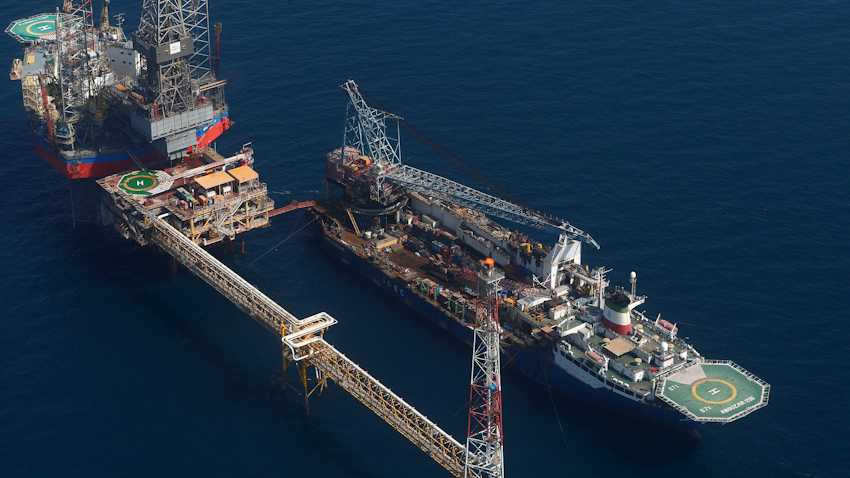
The South Pars gas field is not merely an energy project; it is the economic engine of Iran. Shared with Qatar, where it is known as the North Field, South Pars holds the world's largest known natural gas reserves. For Iran, which possesses the second-largest gas reserves globally, the field represents its primary source of natural gas production and a vital source of government revenue through exports. The petrochemical plants targeted in the recent strikes are integral to this value chain, converting raw gas into higher-value products for domestic use and international markets. Disrupting this complex directly undermines Iran's financial stability and its ability to fund state operations and regional activities.
Global Energy Security Implications
Beyond Iran's borders, the stability of the South Pars field is a matter of global concern. As a major holder of global gas reserves, any sustained disruption to its output can influence international energy prices and supply chains. While Iran's gas exports are currently constrained by sanctions, the field's potential future role in supplying global markets, particularly to Asia and Europe, makes its security a point of international interest. Attacks on such critical infrastructure contribute to volatility in an already tense global energy landscape, affecting consumers and economies far beyond the Middle East.
Geopolitical Symbolism and Escalation Dynamics
The repeated targeting of South Pars by Israel carries profound geopolitical symbolism. It demonstrates a capability and willingness to strike at Iran's most valuable economic assets, signaling a strategy aimed at degrading the Islamic Republic's core strengths. The retaliatory cycle established after the March 18 attack—where strikes on South Pars were met with Iranian attacks on other regional energy targets—establishes a dangerous precedent. It creates a feedback loop where energy infrastructure becomes both a target and a weapon, raising the risks of a wider regional conflict that could further destabilize energy supplies.
Regional Ripple Effects and Mitigation Efforts
The instability emanating from these attacks has tangible consequences for the broader region. Fluctuations in energy security and potential price shocks impact neighboring economies. In a notable response to the growing regional energy crisis, Pakistan has announced measures to cushion its population, including offering enhanced public transport services. This initiative aims to reduce the burden of potential fuel price increases or shortages on citizens, illustrating how regional conflicts can trigger domestic policy adaptations in neighboring states seeking to mitigate spillover effects.

The targeting of Iran's South Pars gas field complex is a calculated strategic move with layered implications. Economically, it strikes at Iran's financial core. Geopolitically, it escalates a tit-for-tat conflict with unpredictable consequences. For the global community, it underscores the fragility of energy infrastructure in conflict zones and its interconnected impact on worldwide markets. As long as the field remains a focal point of military action, the risk of broader economic disruption and intensified regional warfare persists. The international community faces the dual challenge of addressing the immediate conflict while also planning for the long-term stability of a region upon which much of the world's energy security depends.