Australian AI Breakthrough: Detecting Risky Driving Through Facial Analysis
Researchers at Edith Cowan University in Australia have developed a novel artificial intelligence system that uses 3D facial analysis to detect dangerous driving behaviors. This non-invasive technology can simultaneously identify blood alcohol concentration with nearly 90% accuracy and drowsiness with 95% accuracy, offering a potential alternative to traditional breathalyzers. The system enables continuous, real-time monitoring without requiring driver cooperation, representing a significant advancement in road safety technology.
In a significant advancement for road safety, Australian researchers have developed artificial intelligence technology that could revolutionize how dangerous driving behaviors are detected. The system, created by researchers at Edith Cowan University (ECU), uses sophisticated 3D facial analysis to identify multiple risk factors simultaneously, offering a non-invasive alternative to traditional detection methods. This technology represents a promising step toward more effective prevention of alcohol-impaired and fatigued driving, two major contributors to road accidents worldwide.
How the AI Detection System Works
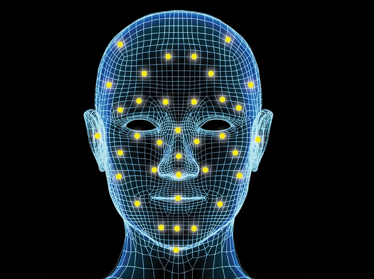
The innovative system developed by ECU researchers employs a single deep learning model to analyze facial dynamics in real time. According to the university's statement, the technology can detect three major causes of road accidents simultaneously: blood alcohol concentration, fatigue, and emotional expressions such as anger. The system automatically captures diverse facial dynamics including eye blinking patterns, subtle facial movements, and progressive facial feature changes that are critical for distinguishing between different impairment states.
Unlike traditional breathalyzers that require active driver cooperation, this AI-powered method allows for continuous monitoring without interruption. The technology can determine the level of intoxication, classifying alcohol impairment into three distinct categories: sober, moderate, and severe. This classification capability provides law enforcement and safety systems with more nuanced information about driver state than binary breathalyzer results.
Technical Capabilities and Accuracy
The ECU research team has achieved impressive accuracy rates with their facial analysis system. The technology can identify blood alcohol concentration with nearly 90% accuracy and detect drowsiness with 95% accuracy. These high accuracy levels suggest the system could be reliable enough for practical applications in road safety monitoring.
According to lead researcher Abdullah Tariq, an ECU PhD candidate, the system's ability to capture progressive facial feature changes is particularly important for distinguishing between different impairment states. A companion study demonstrated that combining infrared and color video improves detection capabilities in low-light conditions, addressing one of the practical challenges of real-world implementation.
Potential Applications and Benefits
The development of this AI technology opens several potential applications for improving road safety. The non-invasive nature of the system makes it suitable for integration into various monitoring environments, from commercial vehicles to personal cars equipped with advanced safety features. The continuous monitoring capability could provide early warnings to drivers about their impairment levels before they become dangerous.
This research could lead to innovative approaches for combating drunk driving that don't require physical testing equipment or driver cooperation. The technology's ability to detect multiple risk factors simultaneously represents a more comprehensive approach to driver monitoring than current single-factor detection systems. As noted in the research statement, this could provide law enforcement with more effective tools for identifying impaired drivers before accidents occur.
Future Development and Considerations
While the technology shows significant promise, several considerations remain for practical implementation. Privacy concerns regarding continuous facial monitoring will need to be addressed through appropriate regulations and transparency about data usage. The system's performance across diverse populations and under various environmental conditions will require further validation.
The research team's work on improving detection in low-light conditions through combined infrared and color video represents an important step toward real-world applicability. Future development will likely focus on integrating this technology with existing vehicle safety systems and exploring partnerships with automotive manufacturers and transportation authorities.
The Australian research represents a growing trend toward using artificial intelligence for proactive safety measures rather than reactive responses. As this technology continues to develop, it could significantly contribute to global efforts to reduce road accidents caused by impaired driving, potentially saving thousands of lives annually through early detection and prevention.