Read on France 24
White House Deleted Easter Video Reveals Trump's Private Remarks
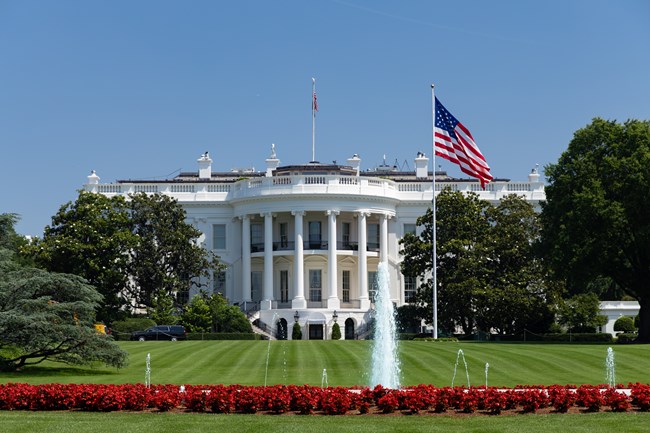
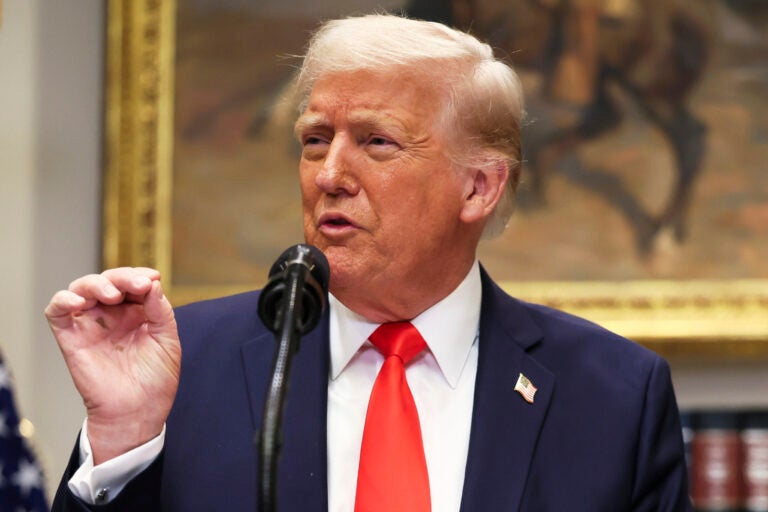
The White House briefly published and then deleted a video from a private Easter luncheon featuring former President Donald Trump making inflammatory comments about foreign leaders and repeating debunked claims. The footage, downloaded by a journalist before its removal, included Trump mocking French President Emmanuel Macron and musing about being a 'king,' while his spiritual advisor drew controversial parallels to Jesus Christ. This incident raises significant questions about presidential communication, privacy, and the dissemination of misinformation from the highest office.
The brief online publication and subsequent deletion of a private White House video has thrust the boundaries of presidential communication and privacy into the spotlight. Captured during a closed-door Easter luncheon, the footage featured former President Donald Trump delivering a series of candid, inflammatory remarks that were likely never intended for public consumption. The incident, first reported by France 24, underscores the fragile line between private political discourse and public accountability in the digital age, where any recorded moment can become a permanent part of the public record.

Content of the Controversial Recording
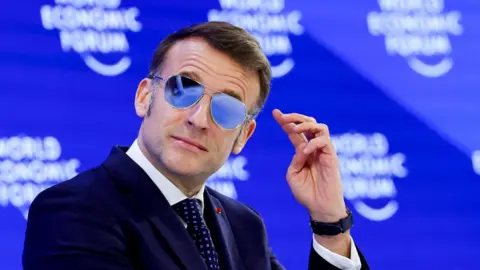
According to the downloaded footage detailed by France 24, the hour-long recording contained several provocative segments. A central focus was Trump's mockery of French President Emmanuel Macron. The former U.S. president reportedly imitated Macron with a French accent and made disparaging comments about his marriage. These remarks prompted a diplomatic rebuke, with Macron later stating they were "neither elegant nor up to standard," highlighting how private comments can have immediate international repercussions.
Claims of Royalty and Religious Parallels
Beyond international diplomacy, the video captured Trump reflecting on his own power. He mused about being a "king," a comment that directly referenced nationwide "No Kings" protests against his leadership and his controversial $400 million project to build a ballroom at the White House. Perhaps more startling were the comments from his spiritual advisor, televangelist Paula White-Cain. She drew explicit parallels between Trump's life—including assassination attempts and legal battles—and the trials endured by Jesus Christ. This comparison triggered a significant backlash from Christian groups across the United States, who found the analogy deeply inappropriate.
Repercussions and Fact-Checking Failures
The deleted video also served as a vector for previously debunked claims to re-enter the public discourse from a platform of immense authority. Trump repeated false statements about individuals including U.S. Congresswoman Ilhan Omar and Algerian boxer Imane Khelif. The propagation of these claims from the White House, even briefly, challenges fact-checking efforts and demonstrates how misinformation can originate at the highest levels of government. It creates a scenario where the presidential podium, intentionally or not, amplifies falsehoods that media and civil society groups must continually work to correct.
Broader Implications for Politics and Media
This incident is not merely about one leaked video; it reflects deeper issues in modern governance. The cycle of publication and deletion suggests a recognition of the content's inflammatory nature, yet the digital footprint remains through journalistic preservation. It raises critical questions about what constitutes a private presidential moment versus a public record, and the protocols for handling sensitive recordings. Furthermore, it illustrates the intense public and media scrutiny on leaders' unscripted comments, where every word is subject to analysis and potential global dissemination.
The deletion of the White House Easter video, following its brief publication, offers a rare glimpse into the unfiltered political discourse that typically remains behind closed doors. It highlights ongoing tensions between privacy and transparency, the domestic and international impact of a leader's words, and the persistent challenge of combating misinformation. As digital media makes containment nearly impossible, such episodes serve as a stark reminder that in today's political environment, there may be no such thing as a truly private comment from the world's most watched office.