 Read on cbsnews.com
Fragile Ceasefire: Disputes Over Terms Threaten Iran War Truce
A two-week ceasefire between the United States and Iran, announced to pave the way for peace talks, is already under severe strain as the two sides publicly disagree on its fundamental terms. While President Trump warns Iran to comply or face renewed large-scale attacks, Tehran and its allies accuse the U.S. and Israel of violating the agreement by continuing military operations in Lebanon. The dispute centers on whether the truce applies to the conflict between Israel and Hezbollah, creating a dangerous ambiguity that jeopardizes diplomatic efforts and keeps global energy markets on edge.
A tenuous two-week ceasefire between the United States and Iran, intended to create a window for diplomatic negotiations, is being tested from its very first days by fundamental disagreements over what was actually agreed upon. President Donald Trump has issued a stark warning to Tehran to comply with the terms of the deal, threatening "large-scale attacks" if it does not. However, a review of statements from both sides, as detailed in a CBS News live report, reveals that the adversaries do not share a common understanding of the ceasefire's scope, particularly regarding the ongoing war in Lebanon, creating a perilous situation that could quickly unravel the fragile truce.
The Core Dispute: Is Lebanon Included in the Ceasefire?
The most significant point of contention is whether the ceasefire applies to hostilities between Israel and the Iranian-backed militant group Hezbollah in Lebanon. Iran, along with Pakistan which brokered the deal, insists that the truce encompasses the entire region, including Lebanon. Iranian Deputy Foreign Minister Saeed Khatibzadeh stated the U.S. must choose "between war and ceasefire - you cannot have it both at the same time," arguing that Israel's continued strikes are a "grave violation." This position is echoed by Iran's parliament speaker, who warned of "strong responses" if attacks on Lebanon continue.
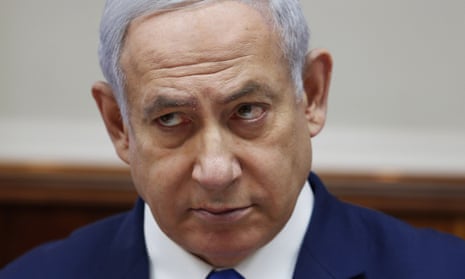
Conversely, the United States and Israel maintain that the Lebanon conflict was never part of the agreement. White House officials have explicitly stated that the ceasefire did not include Israel's operations against Hezbollah. Israeli Prime Minister Benjamin Netanyahu has been unequivocal, stating "there's no ceasefire in Lebanon" and vowing to continue striking Hezbollah "wherever required." This disconnect was acknowledged by U.S. Vice President JD Vance, who attributed it to a "legitimate misunderstanding" about the terms, though he placed blame on Iran for the confusion.
Military Actions Undermining the Truce
Despite the announced ceasefire, military activity has continued at a devastating pace, particularly in Lebanon. Israel launched what it described as its largest coordinated strike in a month, hitting 100 purported Hezbollah targets in just 10 minutes. Lebanese authorities reported over 300 killed and more than 1,000 wounded from these attacks, with the health ministry warning the toll was likely to rise. Israel's Defense Minister stated the strikes killed "200 terrorists," a figure that aligns closely with Lebanon's initial civilian casualty reports, suggesting significant collateral damage.
Hezbollah has responded with continued rocket fire into northern Israel, asserting that its "response will continue until the Israeli-American aggression... ceases." This cycle of violence directly challenges the premise of the ceasefire and has drawn condemnation from the international community. United Nations Secretary-General Antonio Guterres warned that the ongoing military activity in Lebanon "poses a grave risk" to the fragile truce.
The Strait of Hormuz: A Chokepoint in Limbo
A key component of the U.S.-demanded terms is the reopening of the Strait of Hormuz, a vital waterway for approximately 20% of the world's oil supply. While the agreement stipulated Iran would allow vessels to cross, reality has fallen short. Marine traffic data shows only a fraction of the normal number of ships have transited the strait since the ceasefire began. On the first full day, only about a dozen ships passed through, compared to a pre-war average of 129 vessels.
Complicating matters, Iran has announced alternative routes through the strait, citing the risk of sea mines, and there are reports it has been charging tolls to tankers—a practice President Trump has warned must stop "now!" The first non-Iranian oil tanker only transited the strait on the ceasefire's second day, signaling that the crucial shipping lane has not meaningfully reopened, keeping global energy markets volatile and oil prices elevated.
International Reactions and Diplomatic Moves
The disputed ceasefire has triggered varied responses from the international community. Several countries, including Spain, have accused Israel of "flouting" the agreement and violating international law. More than 80 nations jointly condemned "persistent attacks" in Lebanon, though the United States was notably absent from the signatories. Germany's Chancellor called the war a "stress test" for NATO, warning that Israel's actions could cause "the failure of the peace process as a whole."
Diplomatically, the U.S. has announced plans to host talks between Lebanese and Israeli representatives next week in Washington, aiming to de-escalate cross-border violence. Meanwhile, Vice President JD Vance, along with senior envoys, is scheduled to attend peace talks with Iran in Islamabad, Pakistan, this weekend. However, the fundamental disagreement over the ceasefire's terms casts a long shadow over these upcoming negotiations, as trust between the parties appears minimal.