Read on the Guardian
US Reopens Airspace to Venezuela: A Strategic Shift in Post-Maduro Relations
In a significant policy reversal, the United States has ordered the immediate reopening of commercial airspace over Venezuela, weeks after the toppling of Nicolás Maduro. This decision, announced by Donald Trump, marks a rapid normalization of relations with the interim government led by Delcy Rodríguez. The move clears the way for direct flights between the two nations and signals a major opportunity for U.S. oil companies to assess Venezuela's vast reserves. This article examines the geopolitical and economic implications of this strategic shift, analyzing the swift diplomatic reset and its potential impact on regional stability and energy markets.
In a decisive move signaling a new chapter in U.S.-Venezuela relations, the Trump administration has ordered the immediate reopening of commercial airspace over Venezuela. This policy reversal comes just weeks after U.S. military forces facilitated the removal of long-standing dictator Nicolás Maduro. The announcement, made during the first cabinet meeting of the year, represents a swift and strategic pivot aimed at normalizing diplomatic and economic ties with the interim government in Caracas. This article explores the context, implications, and potential outcomes of this significant geopolitical shift.

The Announcement and Immediate Context
President Donald Trump revealed the decision following a telephone conversation with Venezuela's acting president, Delcy Rodríguez. He informed her that the United States would restore flight access, stating, "We're going to be opening up all commercial airspace over Venezuela. American citizens will be very shortly able to go to Venezuela and they'll be safe there." The president directed the U.S. transportation secretary and Pentagon officials to implement the change immediately. This announcement reverses a policy that had been in place since May 2019, when the Department of Transportation suspended all direct commercial passenger and cargo flights, citing unacceptable safety and security risks for American carriers and citizens.
A Rapid Diplomatic Reset
The reopening of airspace is the latest step in a remarkably fast normalization process between Washington and Caracas under the interim government. Rodríguez, once one of Maduro's closest allies and former head of the Sebin intelligence agency, has moved quickly to reset diplomatic ties. Despite occasional defiant rhetoric, her administration has signaled a willingness to accommodate key U.S. demands, particularly regarding oversight of Venezuela's crucial oil sector. U.S. Secretary of State Marco Rubio noted that communications with Venezuela's new leaders have been "very respectful and productive," indicating a cooperative diplomatic channel has been established in a short timeframe.

Economic Drivers: The Oil Factor
A primary driver behind this policy shift is economic opportunity, specifically access to Venezuela's vast oil reserves. President Trump revealed that major U.S. oil companies are already on the ground conducting site assessments for potential operations. "We have the major oil companies going to Venezuela now, scouting it out and picking their locations, and they'll be bringing back tremendous wealth for Venezuela and for the United States," he stated. This access represents a significant strategic prize, though it comes with challenges. Years of deterioration and underinvestment have left Venezuela's oil infrastructure in need of major capital injection to restore production to previous levels.
Implications for Travel and Commerce
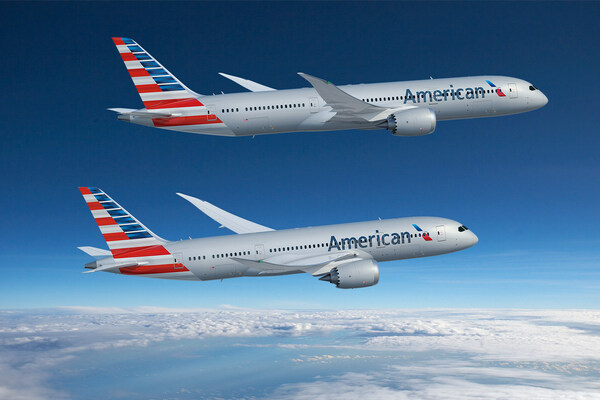
The practical effect of this order is the restoration of direct air links between the United States and Venezuela. American Airlines, the last U.S. carrier serving Venezuela before it suspended flights in March 2019, announced its intention to reinstate nonstop service in the coming months. This reconnection will facilitate not only tourism and family visits but also the movement of business personnel and cargo essential for economic re-engagement. The U.S. Federal Aviation Administration (FAA), which had previously advised caution due to heightened military activity, will need to update its guidance to reflect the changed security environment declared by the administration.
Conclusion: A New Geopolitical Reality
The decision to reopen Venezuela's airspace is more than a logistical change; it is a powerful symbol of a transformed geopolitical relationship. It underscores the United States' commitment to supporting the post-Maduro government and integrating Venezuela back into the international community and global economy. The move benefits U.S. strategic energy interests while offering Venezuela a path to economic recovery through foreign investment. However, the long-term success of this reset will depend on sustained political stability, continued diplomatic cooperation, and significant investment to rebuild the country's crippled infrastructure. For now, the skies are officially open, marking a clear departure from the recent past and a tentative step toward a new future for U.S.-Venezuela relations.