Read on France 24
EU Designates Iran's Revolutionary Guards as Terrorists, TotalEnergies Revives Controversial Gas Project
The European Union's landmark decision to designate Iran's Islamic Revolutionary Guard Corps as a terrorist organization has sparked varied reactions, with some hailing it as historic and others warning of diplomatic fallout. Concurrently, French energy giant TotalEnergies has announced the restart of a $20 billion natural gas project in Mozambique, a site linked to a 2021 massacre, citing the project's critical scale. Meanwhile, a nostalgic trend from the 1990s sees the Tamagotchi making a surprising comeback.
The global news landscape on January 30 presented a stark contrast of high-stakes geopolitics, controversial corporate decisions, and lighthearted nostalgia. The European Union took a decisive step in its foreign policy, while a French energy major moved forward with a project mired in human rights allegations. These developments, alongside the resurgence of a classic toy, highlight the diverse forces shaping international affairs and popular culture.
EU's Terrorist Designation for Iran's Revolutionary Guards
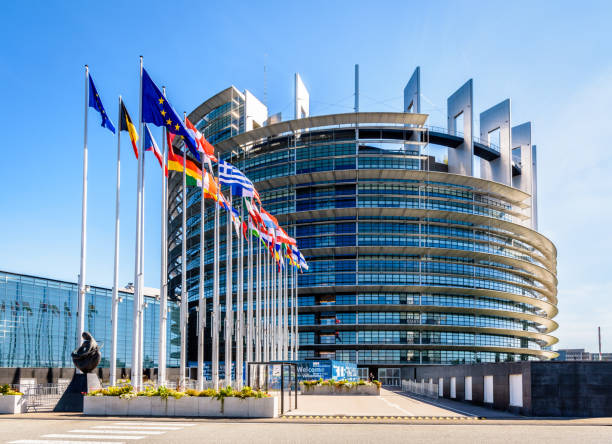
The European Union's decision to formally list Iran's Islamic Revolutionary Guard Corps (IRGC) as a terrorist organization marks a significant escalation in tensions. According to reports from Politico, the move followed considerable internal debate. A bloc of EU member states, led by France, had initially opposed the designation, arguing it would eliminate the EU's remaining diplomatic leverage with Tehran and potentially provoke reprisals against European citizens abroad.
International Press Reactions
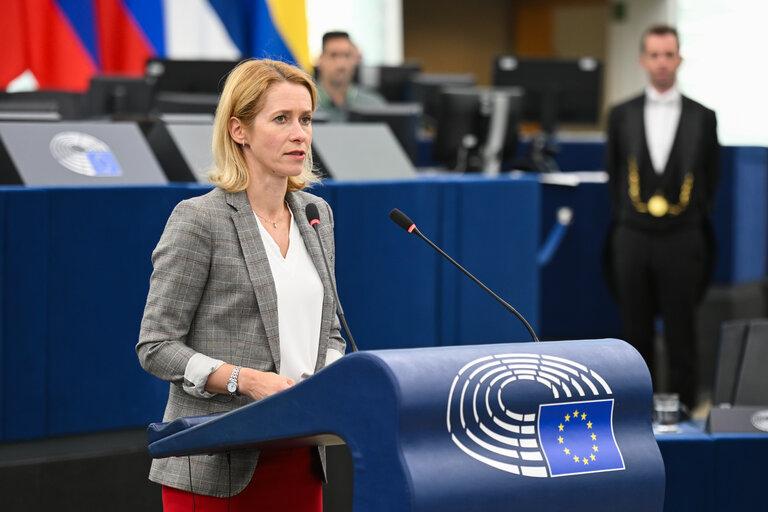
Media reactions to the decision have been polarized. Italian daily Il Riformista celebrated the move with a front-page headline declaring "Outlawed," calling it a "historic," "significant and far reaching" decision. The paper quoted EU foreign affairs chief Kaja Kallas's blunt rationale: "if you behave like a terrorist, you must be treated like a terrorist." In stark contrast, Iranian state media framed the designation as an act of hypocrisy. The Mehr news agency quoted Parliament Speaker Mohammad Bagher Ghalibaf defending the IRGC as "one of the strongest and most effective anti-terrorism forces in the world." A columnist for the Tehran Times accused the West of "double standards," arguing that Western law enforcement actions are portrayed as legitimate, while Iranian measures are labeled as crackdowns—a dynamic described as a "core component of the narrative war against Iran."
TotalEnergies Reopens Mozambique Gas Project
In a separate but equally contentious development, French multinational TotalEnergies has announced the restart of its massive $20 billion liquefied natural gas (LNG) project in Mozambique. CEO Patrick Pouyanné traveled to Mozambique to make the announcement, reviving a project that was suspended in 2021 following a deadly jihadist attack in the Cabo Delgado region. The site's history is deeply troubled; a 2024 Politico investigation revealed that Mozambican soldiers stationed at the project had brutalized, starved, executed, and disappeared approximately 200 men over three months. These revelations led to the withdrawal of financial backing from Britain and the Netherlands, and TotalEnergies faced accusations of complicity in war crimes, which the company has denied.
The 'Too Big to Fail' Rationale
Despite the severe controversies and security risks, the project is proceeding. Analysis in Les Echos suggests the primary driver is sheer economic scale. The Mozambique LNG project is estimated to constitute around 20 percent of TotalEnergies's future gas portfolio, making it a cornerstone of the company's strategic energy assets. This "too big to fail" calculus appears to have outweighed the persistent ethical and security concerns, highlighting the complex trade-offs between global energy needs, corporate investment, and human rights.
Cultural Flashback: The Tamagotchi Returns
Amid these heavy geopolitical and corporate stories, a wave of 1990s nostalgia provided a lighter note. The Tamagotchi, the iconic digital pet created by Japanese toy company Bandai, is experiencing a remarkable resurgence. The simple device, which tasked users with feeding, playing with, and cleaning up after a pixelated pet, has found a new generation of fans. Modern parents are reportedly encouraging its use for its perceived educational value, teaching children lessons in responsibility, care, and the consequences of neglect.
Conclusion
The day's news underscores the multifaceted nature of global currents. The EU's firm stance against Iran signals a hardening approach in foreign policy, with uncertain diplomatic consequences. TotalEnergies' decision in Mozambique illustrates how monumental financial investments can persist despite grave human rights allegations, raising questions about corporate accountability. Finally, the return of the Tamagotchi serves as a reminder of culture's cyclical nature and the enduring appeal of simple, interactive gadgets. Together, these stories paint a picture of a world where strategic interests, economic imperatives, and cultural trends continuously interact and evolve.