Read on Global News
U.S. Announces Reopening of Venezuelan Airspace Following Political Shift
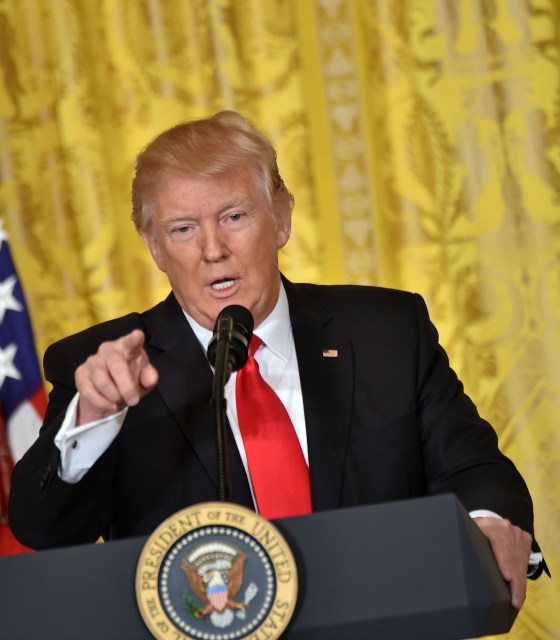
In a significant diplomatic development, U.S. President Donald Trump announced on January 29, 2026, that commercial airspace over Venezuela would be reopened, instructing Transportation Secretary Sean Duffy and military leaders to implement the change by day's end. This move follows the U.S. military raid that ousted former President Nicolás Maduro and signals a potential thaw in relations between the two nations, which have been severed since 2019. The announcement paves the way for American citizens to travel to Venezuela and for airlines like American Airlines to resume service, marking a pivotal shift in Western Hemisphere geopolitics.
In a move signaling a potential normalization of relations with Venezuela, U.S. President Donald Trump announced on Thursday, January 29, 2026, that he had directed the reopening of all commercial airspace over the South American nation. This directive, issued to U.S. Transportation Secretary Sean Duffy and military leaders, represents a significant policy reversal following the U.S.-led military operation that removed former President Nicolás Maduro from power. The announcement, as reported by The Associated Press via Global News, indicates a strategic shift in U.S. foreign policy toward Venezuela and has immediate implications for travel, diplomacy, and commerce.

The Announcement and Immediate Implications
President Trump stated he had informed acting Venezuelan President Delcy Rodríguez of the decision, emphasizing that "American citizens will be very shortly able to go to Venezuela, and they’ll be safe there." This statement directly contradicts the longstanding U.S. State Department travel advisory, which as of the announcement date still listed Venezuela at its highest warning level: "Do not travel." The advisory cites risks of wrongful detention, torture, and kidnapping. The Venezuelan government did not provide an immediate public response to Trump's declaration, leaving some uncertainty about the on-the-ground coordination between the two governments.
Context: From Closure to Reopening
The decision to reopen the airspace marks a dramatic reversal from the posture adopted just months earlier. In November, as Trump escalated pressure on the Maduro regime, he declared the airspace "above and surrounding" Venezuela to be "closed in its entirety." Following this, the U.S. Federal Aviation Administration (FAA) issued warnings to pilots about heightened military activity in the region, leading international airlines to cancel flights. The closure was a key component of the maximum pressure campaign against Maduro's government. The recent U.S. military raid that ousted Maduro created the political conditions for this policy shift, moving from isolation to potential engagement.
Diplomatic Thaw and Embassy Considerations
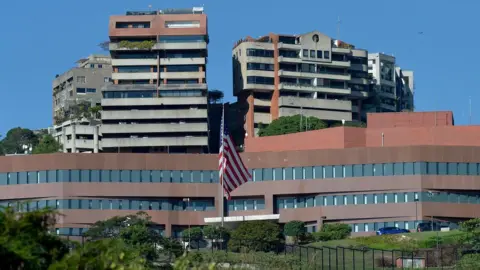
The airspace reopening is part of a broader, phased approach by the U.S. to restore diplomatic relations. Earlier in the same week, the Trump administration notified Congress of its intent to potentially resume operations at the U.S. Embassy in Caracas, which has been shuttered since diplomatic relations collapsed in 2019. In letters to congressional committees, the State Department outlined plans to send a growing contingent of temporary staff to conduct select diplomatic functions as a first step. This suggests a cautious but deliberate move toward re-establishing a formal diplomatic presence, which is essential for managing the complex relationship and ensuring the safety of American citizens and interests.
Commercial and Aviation Response
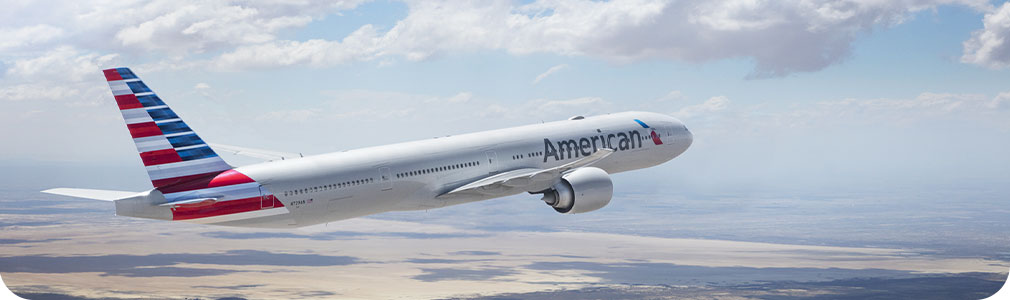
The business community, particularly the aviation sector, reacted swiftly to the news. American Airlines, which was the last U.S. carrier serving Venezuela when it suspended flights in March 2019, announced its intention to reinstate nonstop service from the United States in the coming months. Nat Pieper, American's chief commercial officer, highlighted the airline's 30-year history in the market and framed the return as an opportunity to reunite families and foster new business ties. The airline noted it would work with federal authorities on necessary security assessments and permissions before finalizing plans. This commercial readiness underscores the economic potential that both governments seem eager to unlock.
Analysis and Forward Outlook
The reopening of Venezuelan airspace is more than a logistical change; it is a potent symbol of the new political reality following Maduro's ouster. It serves as a confidence-building measure, aiming to facilitate people-to-people connections and commerce as a foundation for more stable bilateral relations. However, significant challenges remain. The discrepancy between the President's safety assurances and the State Department's standing travel advisory will need to be resolved to assure the public. Furthermore, the success of this initiative will depend on continued stability within Venezuela and close cooperation between U.S. and Venezuelan authorities on security and regulatory matters. The coming months will be critical in determining whether this opening leads to sustained diplomatic and economic normalization.
In conclusion, President Trump's directive to reopen Venezuela's airspace is a landmark step in reshaping U.S.-Venezuela relations. By reversing the closure enacted during the confrontation with Maduro, the U.S. is signaling a shift toward engagement with the country's new leadership. This policy, coupled with moves to potentially reopen the embassy, lays the groundwork for renewed diplomatic and economic ties. For American citizens, businesses, and airlines, it opens a door that has been firmly shut for years. The ultimate test will be whether this aerial reopening leads to a lasting and secure partnership that benefits both nations.