Read on bbc.com
Trump's Diplomatic Intervention: A Temporary Pause in Russian Strikes on Kyiv
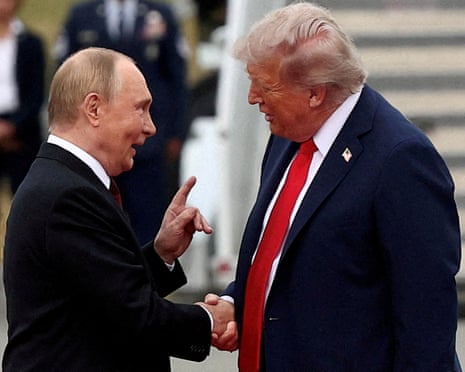
In a significant diplomatic development, former US President Donald Trump announced he secured an agreement from Russian President Vladimir Putin to pause attacks on Kyiv and other Ukrainian cities for one week, until February 1st. The Kremlin confirmed the pause, framing it as creating favorable conditions for peace talks, while Ukrainian officials and residents expressed cautious skepticism. This temporary ceasefire comes as Ukraine faces a severe cold snap, with temperatures expected to plummet to -24°C (-11°F), exacerbating the humanitarian crisis caused by targeted attacks on energy infrastructure.
In a notable shift in the dynamics of the Ukraine conflict, a diplomatic intervention by former US President Donald Trump has reportedly led to a temporary halt in Russian military strikes on the Ukrainian capital, Kyiv. According to statements from both Washington and Moscow, President Vladimir Putin agreed to Trump's personal request to cease attacks on Kyiv and "various towns" for a period of one week, with the pause set to last until February 1st. This development emerges as Ukraine braces for an extreme cold spell, highlighting the intersection of geopolitical maneuvering and dire humanitarian needs.
The Announcement and Confirmation
The agreement was first disclosed by Donald Trump during a televised cabinet meeting in Washington DC. "I personally asked President Putin not to fire into Kyiv and the various towns for a week, and he agreed to do that," Trump stated, characterizing the Russian leader's compliance as unexpected. Kremlin spokesman Dmitry Peskov later confirmed the arrangement, specifying that Putin had called a halt to strikes on Kyiv "for a week until 1 February" at Trump's personal request. However, the Kremlin's framing differed slightly, presenting the move as an effort to "create favourable conditions" for ongoing peace negotiations rather than explicitly linking it to weather-related humanitarian concerns.
Context of the Cold Snap and Infrastructure Attacks
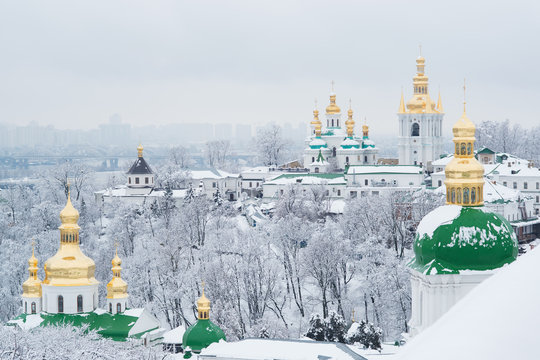
The timing of this diplomatic pause is critically linked to a severe meteorological forecast. Temperatures in Kyiv are expected to plunge to -24°C (-11°F) in the coming days, a life-threatening scenario for a population already struggling with damaged infrastructure. Russia has consistently intensified attacks on Ukraine's energy grid during previous cold periods, a strategy aimed at maximizing civilian suffering. Ukrainian officials had anticipated a major assault this very weekend ahead of the cold spell. If the pause holds, it could prevent a catastrophic humanitarian situation, with millions relying on intermittent power for heating.
Ukrainian Response and Skepticism
The reaction from Ukraine has been one of cautious, measured hope tempered by deep-seated skepticism born of experience. President Volodymyr Zelensky acknowledged Trump's "important statement" regarding security for cities during the extreme winter but clarified there had been no "direct dialogue or agreement" with Russia on pausing attacks on energy infrastructure. He indicated Ukraine would reciprocate if Moscow adhered to such a pause. On the ground, residents expressed doubt to the BBC. "I don't believe that Putin will stop even for a week," said Kyiv resident Olena, echoing a common sentiment of distrust despite the desperate need for respite.
Military Reality on the Ground
Despite the announced pause for Kyiv, hostilities continue elsewhere. Ukraine's air force reported that over 100 drones and a ballistic missile were fired at regions near the front line overnight. Furthermore, the agreement's scope appears limited. The Kremlin refused to confirm whether the pause extended to Ukraine's crucial energy infrastructure, a key target. The immediate effect, however, was tangible: air raid alerts sounded in only eight Ukrainian regions overnight into Friday—a significant reduction—with just two minor injuries reported in Zaporizhzhia. For a capital that had endured 530 air raid alerts in the preceding week, the relative quiet was a stark change.
The Broader Peace Negotiation Landscape
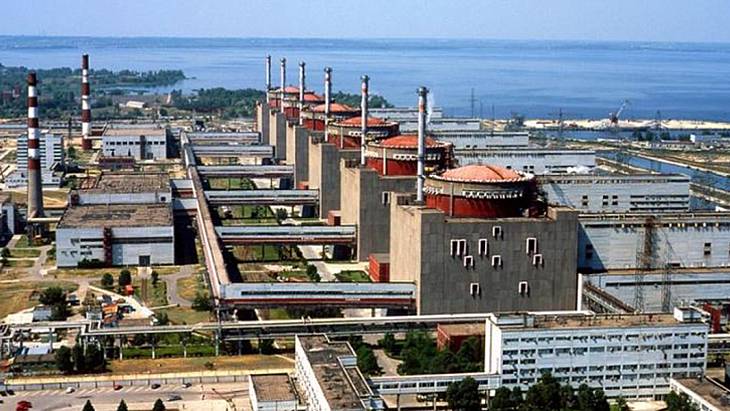
This temporary ceasefire occurs within a fragile framework of international diplomacy. Russian, Ukrainian, and US negotiators held trilateral talks in the United Arab Emirates last week, the first such meeting since the war began in 2022. While all sides described them as constructive, no public agreement was reached at that time. A second round was scheduled for Abu Dhabi but faces potential postponement due to escalating tensions between the US and Iran. The core dispute remains territorial: Russia controls roughly a fifth of Ukraine and demands Kyiv cede more of the Donbas region, while Ukraine insists on the return of occupied territories, including the Zaporizhzhia Nuclear Power Plant. "We are not ready for compromises that violate territorial integrity," President Zelensky firmly stated.
Conclusion: A Fragile Respite with Uncertain Future
The one-week pause in strikes on Kyiv, brokered by Donald Trump, represents a rare diplomatic opening in a protracted and brutal war. Its immediate value is humanitarian, offering a critical window for repairs to energy infrastructure and respite for civilians facing extreme cold. However, its fragility is underscored by the limited scope, ongoing fighting elsewhere, and profound Ukrainian skepticism of Russian intentions. Whether this temporary ceasefire evolves into a more sustained de-escalation or simply proves to be a tactical pause remains to be seen. It underscores the complex role of external diplomacy and the enduring human cost of a conflict where weather itself has become a weapon.