Read on the Guardian
Starmer's China Visit: Navigating Risks and Rewards in a Thawing Relationship
Prime Minister Keir Starmer's recent trip to China marks a significant diplomatic shift, aiming to thaw the 'ice age' in UK-China relations. The visit, the first by a British PM since Theresa May in 2018, balanced national security concerns with the economic imperative of engaging the world's second-largest economy. While achieving tangible gains like tariff cuts and investment pledges, the trip's core success lies in re-establishing high-level dialogue and securing agreements that promise future market access, all while navigating complex geopolitical pressures from allies like the US.
Prime Minister Keir Starmer's diplomatic mission to China this week represents a calculated pivot in British foreign policy, seeking to recalibrate a relationship that has been frozen in what the PM himself termed an 'ice age'. As the first British leader to visit Beijing since Theresa May's 2018 trip, Starmer embarked on a delicate balancing act: courting the economic opportunities presented by the world's second-largest economy while remaining acutely mindful of the significant national security risks and geopolitical challenges that define the modern UK-China dynamic. This analysis explores the strategic calculus, tangible outcomes, and enduring complexities of a visit intended not as a conclusion, but as the beginning of a 'more sophisticated' bilateral engagement.

The Diplomatic Thaw: Context and Objectives
Starmer's visit occurred against a backdrop of severely strained relations. In recent years, China has been accused by the UK government of espionage targeting parliament, severe cyber-attacks, aggressive trade practices, and sanctioning British MPs—actions collectively described as an 'epoch-defining challenge'. The trip's primary objective, therefore, was to initiate a diplomatic thaw. Officials stressed that the visit was about 'turning up' and re-establishing a channel of communication at the highest level, a prerequisite for any future progress. The UK's prior decision to green-light a new Chinese 'mega-embassy' in London, a move officials claim had no political involvement, is seen as a gesture that smoothed the path for Starmer's reception.
Ceremony and Substance: The Visit's Highs and Lows
In Beijing, Starmer was accorded the full ceremonial treatment reserved for significant state visits: a formal welcome, military march-past, and a lavish banquet. The centerpiece was over three hours of direct talks with President Xi Jinping, a crucial element given the centralized nature of the Chinese state. As one British official noted, the Chinese bureaucracy is such a 'monolith' that without buy-in from the very top, British businesses would continue to struggle for market access. While the visit yielded immediate, tangible results—including a visa waiver agreement, cuts to tariffs on British whisky, and pledges of Chinese investment in UK firms—the most significant outcomes were the ten broader agreements signed. These have been characterized as 'jam tomorrow' deals, laying the groundwork for future economic cooperation.

Addressing the Difficult Issues
A critical test of the visit's integrity was whether Starmer would raise the difficult human rights and security issues he promised to address. The Prime Minister did raise the cases of pro-democracy activist Jimmy Lai and the persecuted Uyghur community during his talks. However, the immediate impact of these discussions remains uncertain. A clear, immediate concession from Beijing was the lifting of sanctions on six serving British MPs and peers, a move Starmer confirmed during the trip. This gesture, while symbolic, was presented as a goodwill signal indicating a willingness to de-escalate certain tensions.
Geopolitical Crosswinds: The US Factor and 'Middle Power' Diplomacy
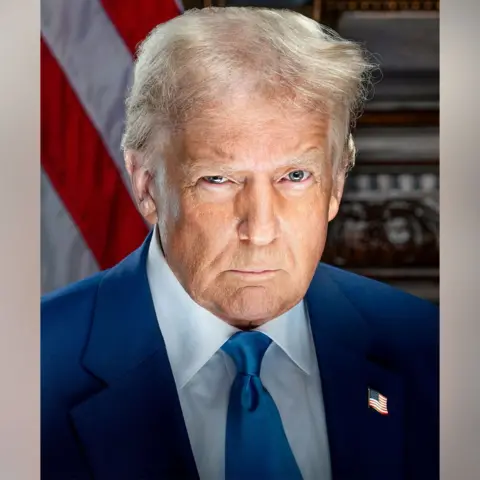
The UK's outreach to China does not occur in a vacuum. Former US President Donald Trump publicly warned that Starmer's attempts at engagement were 'very dangerous'. This external pressure highlights the tightrope London must walk between its historic 'special relationship' with Washington and its economic interests with Beijing. Ironically, analysts suggest that the perceived unreliability of the US under certain administrations is what encourages 'middle powers' like Britain, France, and Canada to diversify their diplomatic and economic partnerships. China, for its part, is keen to exploit these divisions and strengthen ties with influential nations beyond its immediate sphere.
The Domestic Landing: Challenges Awaiting Starmer's Return
For all the confidence boost and international stagecraft in Beijing, Starmer's most significant challenge awaits him at home. The Prime Minister returns to a Westminster landscape fraught with political and policy problems. While leadership speculation may have abated during his overseas trip, it has not disappeared. His team is acutely aware that his comfort and perceived effectiveness on the global stage contrast with domestic political struggles. The ultimate success of the China reset will be judged not by banquet speeches, but by whether it delivers sustainable economic growth and enhanced security for the UK—a 'safe landing' that remains, as the in-flight joke he made suggests, still to be fully assured.
In conclusion, Keir Starmer's China trip was a strategically necessary opening gambit. It successfully reopened high-level dialogue, secured frameworks for future cooperation, and obtained some immediate concessions. However, it merely begins the process of managing an inherently complex and adversarial relationship. The 'more sophisticated' engagement that Downing Street seeks will require consistent, clear-eyed diplomacy that robustly defends British values and security while pragmatically pursuing economic interests. As Business Secretary Peter Kyle stated, 'This trip is just the start.' The much harder work of implementation and navigating the inevitable future crises now begins.