Read on PBS News
Analyzing Kevin Warsh's Nomination to Lead the Federal Reserve
President Trump's nomination of Kevin Warsh as the next Federal Reserve Chair marks a significant potential shift in U.S. monetary policy. Warsh, a former Federal Reserve governor and advisor to President George W. Bush, brings a complex history as an inflation hawk who has recently aligned more closely with Trump's economic views. His confirmation would place a figure calling for 'regime change' at the helm of the world's most influential central bank, raising critical questions about Fed independence, interest rate policy, and global economic stability as his term would begin in June 2026.
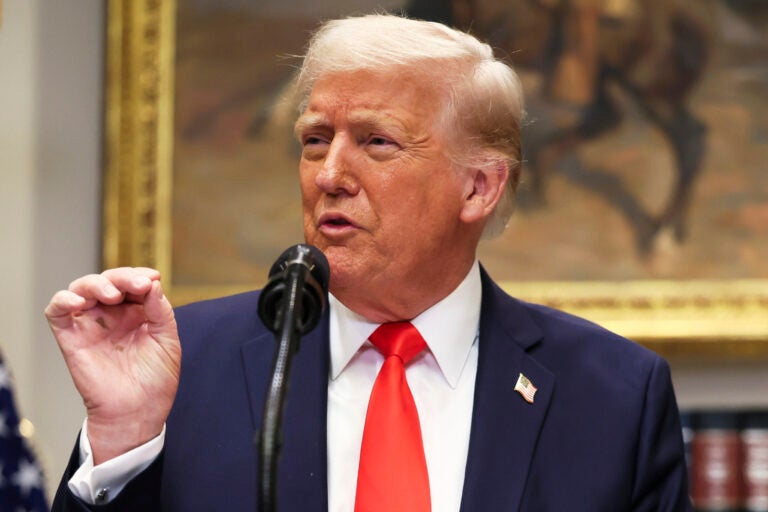
President Trump's announcement of Kevin Warsh as his nominee for Federal Reserve Chair represents one of the most consequential economic appointments of his administration. Warsh, a conservative economist from the Hoover Institution with prior service on the Fed's Board of Governors, would succeed current Chair Jerome Powell in May 2026 if confirmed by the Senate. This nomination comes at a pivotal moment for monetary policy, with implications for interest rates, inflation management, and the perceived independence of America's central banking institution.

Kevin Warsh's Background and Qualifications
Kevin Warsh brings a unique blend of political and financial experience to the nomination. As highlighted in PBS NewsHour coverage, Warsh served as an advisor to President George W. Bush before being appointed to the Federal Reserve Board of Governors in 2006 at just 35 years old, making him one of the youngest governors in Fed history. His tenure extended through the 2008 financial crisis, providing him with firsthand experience managing economic turmoil. Unlike many Fed chairs who come from academic economics backgrounds, Warsh is trained as a lawyer but has developed significant expertise in financial markets through his government service and subsequent private sector work.
The Evolution of Warsh's Monetary Policy Views
Warsh's policy positioning has evolved significantly over his career, creating questions about how he would lead the Fed. During his initial Fed tenure from 2006 to 2011, he established himself as what David Wessel of the Brookings Institution describes as a traditional "hawk"—focused primarily on fighting inflation with tighter monetary policy. However, in recent years, particularly as he positioned himself for consideration as Fed chair, Warsh has shifted toward views more aligned with President Trump's preference for lower interest rates. This evolution raises questions about which version of Warsh would govern the central bank: the inflation-focused hawk of his early career or the more politically attuned figure of recent years.

Implications for Federal Reserve Independence
The most significant concern surrounding Warsh's nomination centers on Federal Reserve independence. The central bank was deliberately designed to operate free from direct political pressure, allowing it to make difficult decisions about interest rates that might be politically unpopular but economically necessary. Warsh himself has acknowledged this tension, stating in a summer 2025 interview that "the independent operations in the conduct of monetary policy is essential" while arguing that "the Fed isn't independent in everything else it does." This nuanced position suggests he may maintain traditional independence on interest rate decisions while potentially aligning with the Trump administration on regulatory matters and the Fed's scope of concerns beyond core monetary policy.
Potential Policy Directions Under Warsh
If confirmed, Warsh would likely pursue several policy shifts at the Federal Reserve. Based on his recent statements and analysis from economic experts, he would probably narrow the Fed's focus to core responsibilities of managing inflation and employment, potentially reducing emphasis on issues like climate risk and inequality that have gained attention under recent chairs. On regulation, he would likely support deregulatory efforts consistent with Trump administration priorities. Regarding interest rates, while markets already anticipate some cuts in late 2026, the critical test would come if President Trump pushes for more aggressive reductions than economic conditions warrant, creating potential conflict between political desires and economic reality.
Global Economic Implications
The international community closely watches Federal Reserve leadership transitions, as U.S. monetary policy decisions ripple through global markets and affect borrowing costs worldwide. As Wessel notes, global investors have historically trusted the Fed's independence under chairs like Ben Bernanke, Janet Yellen, and Jerome Powell. If international markets perceive that Warsh is yielding to political pressure rather than following economic data, the United States could face higher borrowing costs as investors demand greater compensation for perceived risk. Given America's status as the world's largest borrower, even small increases in interest rates due to concerns about Fed independence could cost taxpayers billions of dollars annually.
Confirmation Process and Timeline
Warsh's nomination now moves to the Senate confirmation process, where he will face scrutiny from both parties about his policy views and commitment to Fed independence. His confirmation hearings will likely focus on how he would respond to presidential pressure, his views on the appropriate pace of interest rate changes, and his vision for the Fed's role in financial regulation. If confirmed, Warsh would not preside over his first Federal Open Market Committee meeting until June 2026, by which time economic conditions may have evolved significantly from current projections. This timing adds uncertainty to how his leadership would immediately impact monetary policy decisions.
Conclusion: A Critical Juncture for Monetary Policy
The nomination of Kevin Warsh represents a potential turning point for the Federal Reserve at a time of economic uncertainty and political polarization. His unique background as both a former Fed insider and recent critic of the institution he would lead creates complex expectations about his leadership approach. The coming confirmation process and, if successful, his subsequent tenure will test fundamental questions about central bank independence in an era of heightened political pressure. How Warsh balances the Fed's dual mandate of maximum employment and price stability against presidential preferences will determine not only his legacy but also the continued credibility of America's most important economic institution on the global stage.