Read on France 24
Trump Nominates Kevin Warsh to Lead Federal Reserve, Replacing Jerome Powell
President Donald Trump has nominated former Federal Reserve Governor Kevin Warsh to become the next Chair of the US central bank, replacing Jerome Powell whose term concludes in May 2026. The announcement, made on January 30, 2026, marks a significant effort by the President to place a critic of current Fed policy at its helm. Warsh, a lawyer and economist, has publicly supported Trump's calls for aggressive interest rate cuts and advocates for a substantial overhaul of the Fed's operations. The nomination sets the stage for a contentious Senate confirmation process amid ongoing concerns about political influence over the historically independent institution.
In a move that could reshape US monetary policy, President Donald Trump announced on January 30, 2026, his intention to nominate former Federal Reserve Governor Kevin Warsh as the next Chair of the Federal Reserve. This decision, reported by FRANCE 24, aims to replace current Chair Jerome Powell when his term ends in mid-May. The nomination represents a pivotal moment for the central bank, which has long prized its independence from political pressure, and introduces a leader who has been a vocal critic of its recent policy direction.

The Nomination and Its Context
President Trump's announcement culminates a months-long public search for Powell's successor. In his statement, Trump expressed strong confidence in Warsh, describing him as "central casting" and predicting he would be "one of the GREAT Fed Chairmen." The position requires confirmation by the US Senate, a process expected to be highly scrutinized given the President's escalating efforts to influence the Fed. These efforts include a Justice Department criminal probe into Chair Powell, which Powell has characterized as a pretext to pressure the central bank.
Kevin Warsh's Background and Policy Views
Kevin Warsh, 55, brings a distinct profile to the nomination. A lawyer by training and a distinguished visiting fellow at Stanford University's Hoover Institution, Warsh served as a Fed Governor from 2006 to 2011. During the 2007-2009 financial crisis, he acted as a key liaison between then-Chair Ben Bernanke and Wall Street. His professional background includes a partnership managing wealth for investor Stanley Druckenmiller.

Alignment with Trump's Agenda
Warsh has publicly aligned himself with several of President Trump's long-standing critiques of the Fed. He has argued that the President is correct to push for steeper interest-rate reductions. Furthermore, Warsh has criticized the Fed for underestimating how productivity growth, supercharged by artificial intelligence, could combat inflation. His policy vision extends beyond rates to a broader institutional overhaul.
Proposed "Regime Change" at the Fed
A central theme of Warsh's candidacy is his call for monetary policy "regime change." He advocates for a significant reduction in the size of the Fed's balance sheet, which ballooned following the financial crisis and during the COVID-19 pandemic. Warsh believes shrinking the balance sheet would allow the Fed to lower its policy rate more effectively by redeploying excess liquidity from financial markets into the real economy. He has also voiced support for easing bank regulations.
Implications for Fed Independence and the Confirmation Battle
The nomination directly tests the Federal Reserve's cherished political independence. Trump's persistent lambasting of the Fed for not cutting interest rates sufficiently, combined with the unprecedented criminal probe into a sitting Chair, has created a fraught environment. This raises the possibility that Jerome Powell may choose to remain on the Fed's Board of Governors after his chair term expires to help safeguard the institution's autonomy.
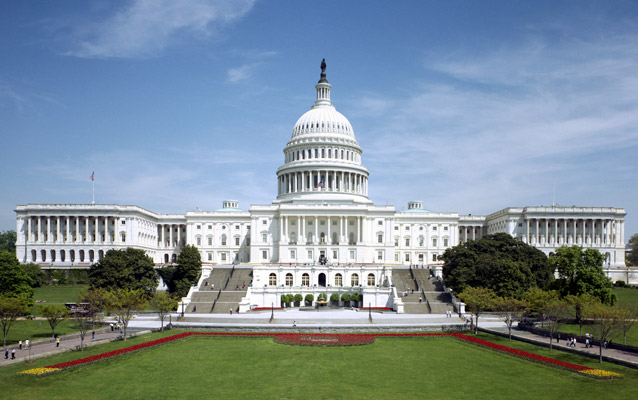
The Senate confirmation process will be a critical arena. Warsh will face intense scrutiny to prove his independence from the President, despite being a confidant and guest at Trump's Florida estate. His Wall Street background and family ties to major Trump supporter Ron Lauder will also be examined. The outcome will signal whether the Senate is willing to endorse a candidate who champions the President's vision for a more politically responsive central bank.
Conclusion: A Pivotal Moment for U.S. Monetary Policy
The nomination of Kevin Warsh sets the stage for a potential fundamental shift in how the Federal Reserve operates. If confirmed, he would lead an institution he has argued should scale back its economic footprint and change its approach to managing monetary policy. The coming months will determine not only the leadership of the world's most influential central bank but also the durability of its political independence in an era of heightened partisan pressure. The decisions made will have profound implications for the U.S. economy and global financial markets.