Read on PBS News
Friday News Wrap: Legal Ruling, Power Outages, and Ukraine Conflict Updates
A federal judge dismissed murder and weapons charges against Luigi Mangione, barring prosecutors from seeking the death penalty. Meanwhile, nearly 230,000 homes and businesses in the South face a sixth consecutive day without power following a severe winter storm, with extreme cold alerts affecting over 200 million Americans. In international news, Russia announced its temporary halt on attacking Ukraine's capital, Kyiv, will only last until Sunday, as Ukraine accuses Moscow of weaponizing winter by targeting energy infrastructure.
In a significant legal development, a federal judge has ruled against the death penalty in a high-profile case, while severe weather continues to cripple the southern United States. Concurrently, geopolitical tensions persist as Russia outlines a brief pause in its military campaign. This news wrap provides a concise overview of these critical events shaping national and international headlines.
Federal Court Dismisses Murder Charges, Bars Death Penalty

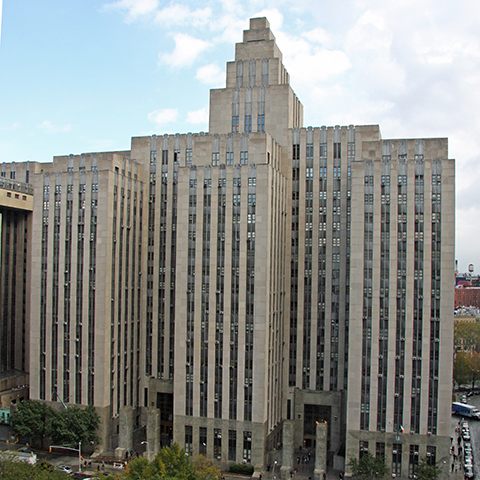
U.S. District Judge Margaret Garnett delivered a pivotal ruling in New York, determining that federal prosecutors cannot seek the death penalty against Luigi Mangione. The charges, related to the killing of UnitedHealthcare CEO Brian Thompson, were dismissed on the grounds of being legally incompatible with separate stalking charges already filed against Mangione. This decision, as reported by PBS NewsHour, provides significant relief to the defense and limits the prosecution's options, which now have a 30-day window to appeal the judge's dismissal.
Prolonged Power Outages Grip the South

The aftermath of last weekend's debilitating winter storm continues to inflict hardship across the southern United States. Nearly 230,000 homes and businesses have now endured six consecutive days without electricity, with states like Tennessee, Mississippi, and Louisiana experiencing the most severe outages. Authorities link approximately half of the nearly 90 cold-related deaths reported from Texas to New York to these power failures. With over 200 million Americans under extreme cold alerts and a new storm system threatening heavy snow from the Southern Appalachians to Virginia, officials like North Carolina Governor Josh Stein are urging residents to prepare for worsening conditions that could further damage infrastructure.
Russia Announces Brief Pause in Kyiv Attacks
On the international front, the Kremlin has clarified that its temporary halt on military strikes against Ukraine's capital, Kyiv, is set to expire on Sunday. This announcement follows previous statements from U.S. leadership about a negotiated pause due to frigid temperatures. Ukrainian President Volodymyr Zelenskyy reported that Russian forces continued to strike energy targets in other regions, supporting Ukraine's longstanding accusation that Moscow intentionally weaponizes winter by targeting heating and power infrastructure. Residents in Kyiv, relying on generators for essential power, expressed skepticism about the durability of any ceasefire, highlighting the profound distrust and ongoing humanitarian crisis.
Broader Political and Economic Context
These events unfolded alongside other significant developments. The U.S. Senate worked to pass a spending package to avert a broader government shutdown, though funding for the Department of Homeland Security was only temporarily extended. In Panama, a Supreme Court ruling against a Hong Kong-based company's port leases was viewed as a strategic move within U.S. efforts to counter Chinese influence in Latin America. Domestically, Wall Street reacted negatively to a new Federal Reserve chair nomination, and plans were announced for an IndyCar race in Washington, D.C., as part of national anniversary celebrations.
Conclusion: A Snapshot of Concurrent Crises
This Friday's news wrap underscores a day of consequential rulings, enduring natural disasters, and fragile geopolitical maneuvers. From a courtroom in New York to darkened homes in the South and the icy streets of Kyiv, these stories reflect intersecting challenges of justice, infrastructure resilience, and international conflict. As legal appeals are prepared, utility crews race against the cold, and diplomats watch the calendar, the immediate impacts of these events continue to unfold for communities and nations alike.