Read on the Guardian
Extreme Weather Events: Winter Storms Paralyze Eastern North America
A severe winter storm system has caused widespread disruption across eastern North America, resulting in at least 49 fatalities and leaving over a million people without power. The extreme weather event, affecting a 2,000-mile stretch from New Mexico to New England, prompted authorities to issue stay-at-home orders for millions of residents. This article examines the storm's impact, the ongoing response efforts, and the broader context of extreme weather patterns affecting different regions globally.
A powerful winter storm system has brought unprecedented disruption to eastern North America, creating a public safety crisis across multiple states and provinces. The extreme weather event, characterized by heavy snowfall, ice accumulation, and dangerously low temperatures, has resulted in significant human and infrastructural impacts. This analysis explores the scale of the disaster, the emergency response measures implemented, and the lingering challenges for affected communities as they work to recover from one of the most severe winter weather events in recent memory.

Scale and Impact of the Winter Storm
The winter storm system that swept across eastern North America represents one of the most extensive weather events in recent history. According to weather tracking reports, the storm affected approximately 213 million people across a 2,000-mile corridor stretching from New Mexico to New England. The meteorological phenomenon generated winter weather warnings across this vast region, creating hazardous conditions that disrupted daily life for millions of residents.
Human Toll and Safety Concerns
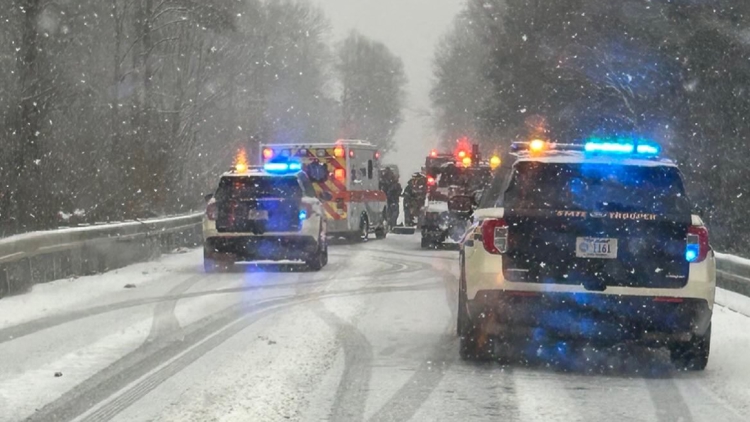
The extreme weather conditions have been linked to at least 49 fatalities in the United States alone during the past week. Authorities attribute these deaths directly to the storm's effects, including hypothermia, traffic accidents on icy roads, and carbon monoxide poisoning from improper heating methods. Emergency services across affected states reported responding to thousands of weather-related incidents, with medical personnel working under challenging conditions to reach those in need.
Infrastructure and Power Disruptions
The storm's most visible impact has been on electrical infrastructure, with power outages affecting over one million customers at the peak of the event. As of Wednesday night following the storm's passage, approximately 312,000 customers remained without electricity, primarily concentrated in Tennessee, Mississippi, Louisiana, and Texas. These outages resulted from a combination of factors including heavy ice accumulation on power lines, fallen trees damaging transmission infrastructure, and unprecedented demand overwhelming grid capacity during extreme cold conditions.
Emergency Response and Public Safety Measures
Government agencies at federal, state, and local levels implemented comprehensive emergency response protocols to address the crisis. The scale of the weather event necessitated coordinated efforts across multiple jurisdictions, with particular emphasis on protecting vulnerable populations and maintaining critical infrastructure.
Stay-at-Home Orders and Travel Restrictions
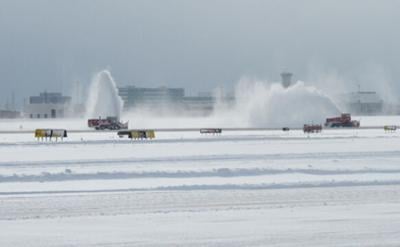
Authorities issued stay-at-home advisories affecting millions of residents across the impacted region. These measures aimed to reduce non-essential travel and prevent accidents on treacherous roadways. Transportation departments deployed thousands of snowplows and salt trucks, but many secondary roads remained impassable for several days. Major airports experienced significant cancellations and delays, with Toronto's Pearson International Airport setting a record for single-day snowfall at 46 centimeters (18.1 inches).
Utility Restoration Efforts
Utility companies mobilized thousands of workers from unaffected regions to assist with power restoration efforts. Crews worked around the clock in challenging conditions to repair damaged infrastructure, but the widespread nature of the outages and continued hazardous weather conditions slowed progress in some areas. Emergency shelters were established in communities with prolonged power outages, providing warmth and basic necessities to displaced residents.
Broader Weather Patterns and Global Context
The severe winter weather in North America occurs alongside other extreme weather events globally, highlighting the increasing frequency and intensity of such phenomena. While eastern North America contends with record cold and snowfall, other regions face contrasting weather challenges that demonstrate the complex dynamics of global climate patterns.
Contrasting Conditions in Australia
As North America experienced extreme cold, southeastern Australia faced record-breaking heatwaves with temperatures reaching 48.5°C (119.3°F). The Australian Bureau of Meteorology issued extreme fire danger warnings as hot, dry conditions combined with strong winds created ideal conditions for wildfires. Emergency services in Victoria conducted evacuation operations affecting thousands of residents, demonstrating how different regions face distinct but equally dangerous weather extremes.
Storm Impacts in Europe
Portugal experienced severe weather from Storm Kirstin, which brought heavy rain, strong winds, and dangerous coastal conditions. The storm caused more than 3,000 weather-related incidents and resulted in five fatalities. A peak wind gust of 110 mph (178 km/h) was recorded at Monte Real airbase in Leiria, with flooding and landslides causing widespread damage. The simultaneous occurrence of these extreme weather events across different continents underscores the global nature of contemporary weather challenges.
Recovery Challenges and Future Preparedness
The aftermath of the winter storm presents significant recovery challenges for affected communities. Beyond immediate power restoration and road clearing, longer-term issues include assessing infrastructure vulnerabilities, supporting economic recovery for businesses affected by closures, and addressing the psychological impacts on residents who endured prolonged hardship.
Meteorological services have issued further winter storm watches and warnings for parts of the United States, indicating that the severe weather pattern may continue. Forecast models predict additional heavy snowfall for the mid-Atlantic region, with accumulations of 10-20 centimeters expected between Friday and Sunday in areas including North Carolina, east Tennessee, upstate South Carolina, Virginia, and northeast Georgia.
The convergence of extreme weather events across different regions highlights the importance of robust emergency preparedness systems and adaptive infrastructure. As weather patterns continue to demonstrate increased volatility, communities worldwide must enhance their resilience strategies to protect lives and maintain essential services during such crises. The lessons learned from this winter storm event will inform future preparedness efforts as societies adapt to the challenges of increasingly extreme weather conditions.