Read on PBS News
From Theocracy to Normalcy: The Transformation of Colorado City and Hildale
The towns of Colorado City, Arizona, and Hildale, Utah, once defined by the strict control of the Fundamentalist Church of Jesus Christ of Latter-Day Saints (FLDS), have undergone a profound transformation. Following the imprisonment of leader Warren Jeffs and a court-ordered overhaul of their governments, the communities have shed their insular identity. Prairie dresses and walled compounds have given way to soccer games, bars, and a winery, as residents embrace new freedoms and a more open society, though challenges from the past legacy remain.
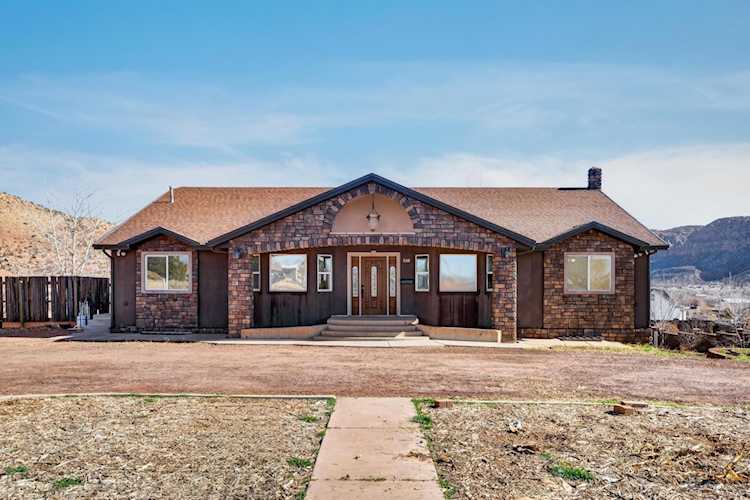
The remote towns of Colorado City, Arizona, and Hildale, Utah, nestled near the stunning landscapes of Zion National Park, present a remarkable case study in societal change. For decades, these twin communities were synonymous with the Fundamentalist Church of Jesus Christ of Latter-Day Saints (FLDS), a polygamous sect that governed every aspect of life. Today, the visual hallmarks of that era—prairie dresses, walled compounds, and a palpable distrust of outsiders—are largely relics of the past. In their place, a more conventional community has emerged, enjoying freedoms once forbidden, a transformation accelerated by legal intervention and internal resolve.

The FLDS Era and Its Demise
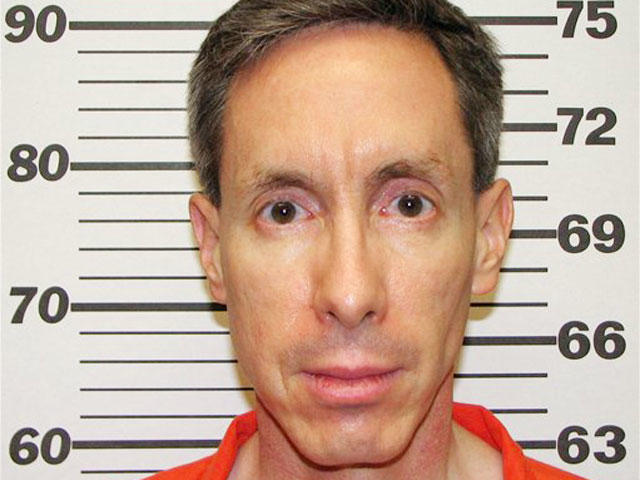
The FLDS sect settled in the area in the 1930s to continue practicing polygamy after the mainstream Mormon church renounced it. For generations, the towns functioned as a theocracy. However, the community's trajectory took a dark turn after Warren Jeffs assumed leadership in 2002. Under his rule, families were systematically broken apart, public education was abolished, and daily life was micromanaged, creating an environment described by former members as moving into a "sinister, dark, cult direction." Jeffs's reign ended with his arrest in 2006 and subsequent conviction and life sentence in 2011 for sexually assaulting minors, but the sect's grip on the towns persisted.
Court-Ordered Transformation
Even years after Jeffs's imprisonment, federal authorities found the towns were still being run as an arm of the church, denying basic services to those outside the faith. This led to a pivotal 2017 court order that placed both municipalities under federal supervision. The order excised the FLDS from local government and the police department, and oversight of the church's vast real estate trust was transferred to a community board. This intervention forced the towns to learn how to operate a "first-generation representative government," as monitor Roger Carter noted, and introduced concepts like private property ownership and impartial governance.
Life After Jeffs: A New Normal
The results of this upheaval have been dramatic. With the FLDS stripped of its civic power, many members left the sect or the area entirely. New businesses and services have opened, replacing FLDS-run establishments. Residents like Isaac Wyler, who was once ostracized, now report being treated fairly by police and having access to a supermarket, bank, and coffee shop. "Like a normal town," he observed. The social fabric is also healing, with former residents reconnecting with family members they were forced to shun. Mayor Donia Jessop of Hildale highlights the return of "love" and open doors within families as a key outcome of the transformation.
Ongoing Challenges and the Path Forward
Despite the progress, the legacy of the FLDS is not entirely erased. The towns now grapple with common societal issues like drug use, which were previously kept at bay by the sect's isolation. Polygamy has not disappeared, as evidenced by the 2024 sentencing of a Colorado City sect member for crimes involving underage "wives." Recovery is a generational process. As Briell Decker, a former wife of Warren Jeffs who now helps others leaving polygamy, stated, "I do think they can, but it's going to take a while because so many people are in denial." The community must continue to build its new identity while reckoning with the abuses of its past.
The story of Colorado City and Hildale is one of profound societal change, driven by legal accountability and the resilient human desire for freedom and connection. The transition from a closed theocracy to an open community enjoying weekend soccer games and local wineries was arduous, marked by internal turmoil. Yet, as court supervision ended early in the summer of 2025, it signaled a successful, if incomplete, rebirth. The towns stand as a testament to the possibility of change, offering a new chapter defined not by fear and control, but by the slow, steady work of building a normal life.