Read on nature.com
How CD8+ T Cell Stemness Predicts HIV Control After Treatment Interruption
A groundbreaking study published in Nature reveals that specific characteristics of CD8+ T cells can predict which individuals will successfully control HIV after stopping antiretroviral therapy. The research demonstrates that pre-existing stem cell-like memory features in HIV-specific CD8+ T cells are crucial for achieving post-intervention control. These findings provide critical insights for developing immunotherapies aimed at achieving durable HIV remission without lifelong medication.
For millions living with HIV, lifelong antiretroviral therapy (ART) remains the standard of care, presenting significant challenges in terms of cost, adherence, and potential side effects. The ultimate goal of HIV research has been to develop interventions that allow for durable remission—periods where the virus remains controlled without daily medication. A landmark study published in Nature in December 2025 brings us closer to this goal by identifying a key immune predictor of success. The research, titled "CD8+ T cell stemness precedes post-intervention control of HIV viremia," reveals that specific qualities of the immune system's CD8+ T cells, present before treatment is paused, are strongly associated with the ability to naturally suppress the virus afterward.
The Challenge of HIV Remission and Post-Intervention Control
The study focuses on a critical phase known as analytical treatment interruption (ATI), where ART is temporarily stopped under close medical supervision to test new therapies. Some individuals, referred to as post-intervention controllers (PICs), manage to keep their viral load low or undetectable for extended periods after this interruption. Understanding why these individuals succeed while others do not (post-intervention non-controllers, or PINCs) is essential for designing effective cure strategies. The research analyzed longitudinal samples from participants in four different ATI trials who had received broadly neutralizing antibodies (bNAbs) as an immunotherapy before pausing ART.
The Critical Role of CD8+ T Cell "Stemness"
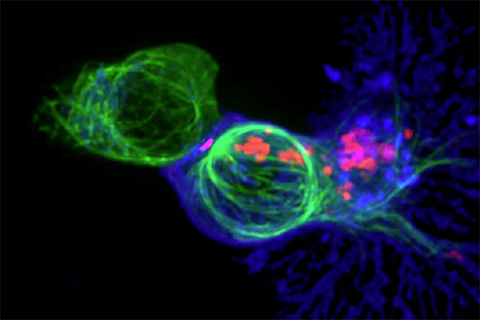
The central finding of the study is that successful control is preceded by a specific immune profile. Prior to any intervention, individuals who later became PICs had HIV-specific CD8+ T cells with superior capabilities. These cells exhibited greater proliferative capacity—the ability to multiply and expand their numbers when encountering the virus. More importantly, they displayed a stem cell-like memory phenotype, a state often referred to as "stemness." This means the cells were less differentiated, more self-renewing, and possessed a long-term potential to mount sustained immune responses, similar to stem cells.

Mechanisms and Molecular Signatures of Success
Using advanced multimodal single-cell analysis, the researchers delved deeper into what makes these T cells effective. They identified distinct molecular features associated with both PIC status and the stemness phenotype. The successful, stem-like CD8+ T cells showed signatures of metabolic fitness, indicating they had the energy and resources needed for long-term function. Crucially, they also displayed reduced signs of T cell exhaustion. Exhaustion is a dysfunctional state T cells enter during chronic infections like HIV, rendering them ineffective. The PIC-associated cells avoided this fate, maintaining their killer function. Interestingly, the administration of bNAb therapy further enhanced this stemness without necessarily generating entirely new T cell clones, suggesting it boosted a pre-existing, high-quality immune response.
Implications for Future HIV Cure Strategies
This research provides a tangible biomarker—CD8+ T cell stemness—that can be measured before attempting treatment interruption. This could help identify individuals most likely to benefit from specific immunotherapies in clinical trials, making research more efficient. Furthermore, it shifts the therapeutic focus. Instead of just trying to reduce the viral reservoir, successful strategies may need to actively shape and enhance the quality of the immune response. The goal becomes creating or expanding a pool of these stem-like, metabolically fit, non-exhausted HIV-specific CD8+ T cells that can provide long-term surveillance and control. These findings directly inform the development of combination immunotherapies designed to elicit durable remission, moving us toward a future where lifelong ART may not be the only option for people living with HIV.