Read on bbc.com
Second Doctor Sentenced in Matthew Perry Ketamine Overdose Case
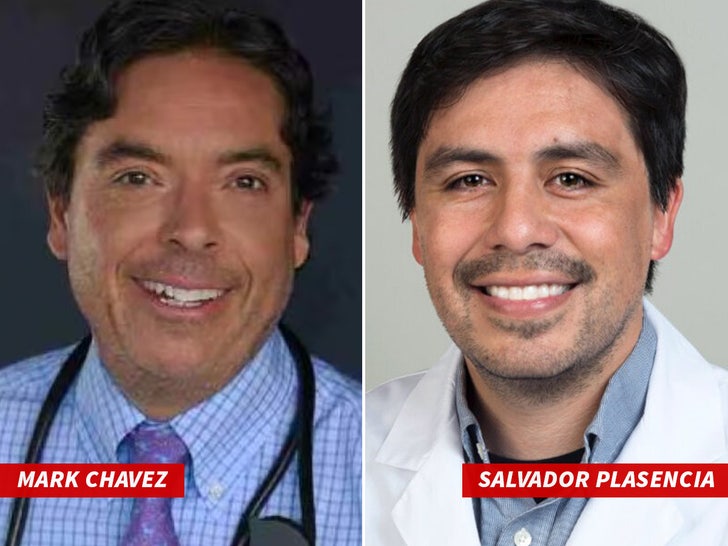
Dr. Mark Chavez, a California physician, has been sentenced to eight months of home detention and three years of supervised release for his role in supplying ketamine to actor Matthew Perry. Chavez is the second of five individuals to be sentenced following a federal investigation into the 'Friends' star's 2023 death. The case reveals a disturbing network that exploited Perry's addiction, with prosecutors detailing transactions exceeding $50,000 for the drug in the weeks before his fatal overdose.
The tragic death of Matthew Perry, the beloved 'Friends' actor, continues to unfold through the legal system, with a second medical professional now facing consequences. Dr. Mark Chavez, a San Diego-based physician, was sentenced on December 16, 2025, to eight months of home detention and three years of supervised release for his role in supplying the ketamine that contributed to Perry's fatal overdose. This sentencing marks a significant step in a multiyear federal investigation that exposed an underground drug network operating in Hollywood, preying on individuals struggling with addiction.
The Legal Proceedings and Charges
Dr. Mark Chavez is one of five individuals who have pleaded guilty to drug-related charges connected to Matthew Perry's death in October 2023 at his Los Angeles home. According to court documents and reporting from the BBC, Chavez admitted to obtaining ketamine through fraudulent means. He submitted a prescription for 30 ketamine lozenges under a former patient's name without her knowledge or consent, specifically to sell to another doctor, Dr. Salvador Plasencia, who then supplied the drug to Perry. Chavez also confessed to selling 22 vials of liquid ketamine and nine lozenges to Plasencia as part of this scheme.
The Underground Drug Network
The federal investigation painted a grim picture of a network designed to exploit addiction for profit. Prosecutors outlined that Perry's live-in assistant, Kenneth Iwamasa, worked as an intermediary between Chavez, Plasencia, and the actor. In the weeks leading up to Perry's death, this network provided him with more than $50,000 worth of ketamine. Text messages revealed in the case showed a callous disregard for Perry's well-being, with Plasencia writing to Chavez, "I wonder how much this moron will pay," highlighting their intent to financially benefit from his addiction.

Medical Context and Abuse of Ketamine
Ketamine is a dissociative anesthetic legally used in clinical settings to treat depression, anxiety, and chronic pain. Matthew Perry had been legitimately prescribed the drug as part of his treatment for long-standing addiction and depression. However, the investigation found he began seeking quantities beyond his prescription, leading him to the illicit network involving Chavez and others. A post-mortem examination concluded that "acute effects" of a high concentration of ketamine in his blood were the cause of death, underscoring the dangers of obtaining the substance outside regulated medical supervision.
Broader Implications and Remaining Cases
Dr. Chavez's sentencing follows that of Dr. Salvador Plasencia, who received a 30-month prison term earlier in December 2025. As part of his plea agreement, Chavez surrendered his medical license and passport. Three other defendants—Perry's assistant Kenneth Iwamasa, a man named Erik Fleming, and dealer Jasveen Sangha (known as the "Ketamine Queen")—are awaiting sentencing in the coming months. This case has sparked broader conversations about the responsibilities of medical professionals, the vulnerabilities of individuals in the public eye, and the ongoing challenges of combating prescription drug diversion.
The sentencing of Dr. Mark Chavez closes a chapter in the legal aftermath of Matthew Perry's death, but the case leaves a lasting impact on discussions of addiction, medical ethics, and the entertainment industry's duty of care. It serves as a stark reminder of the devastating consequences when healthcare systems are manipulated and addiction is exploited for financial gain.