Read on bbc.com
Trump's Ultimatum to Iran: No Nuclear Weapons and Stop Killing Protesters
US President Donald Trump has issued a stark warning to Iran, stating the nation must do "two things" to avoid potential US military action: abandon its nuclear ambitions and cease the violent crackdown on domestic protesters. This demand comes as the US builds up its naval forces in the Gulf, with Trump referencing a "very big, very powerful" fleet sailing toward the region. The article examines the escalating tensions, Iran's defiant response, and the international diplomatic efforts aimed at de-escalation.
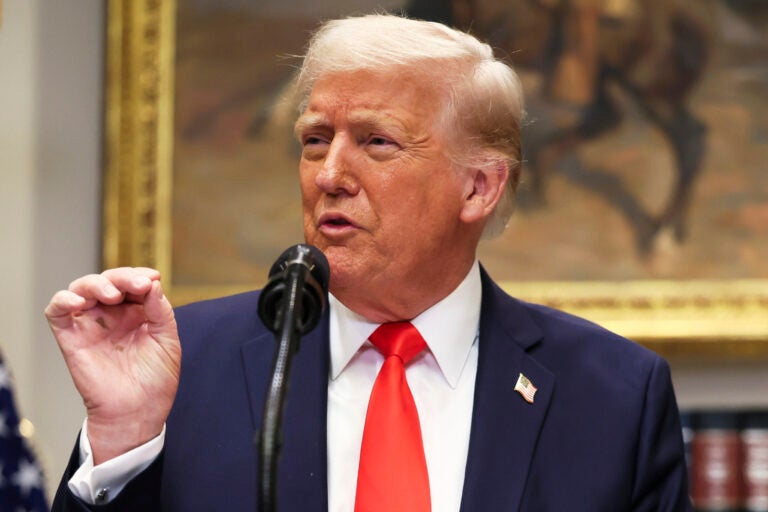
In a significant escalation of rhetoric and military posture, US President Donald Trump has publicly outlined specific conditions Iran must meet to avert potential American military action. Speaking at a public event, Trump stated he has told Iran it must accomplish "two things": cease all nuclear weapons development and end the violent suppression of protesters within its borders. This ultimatum coincides with a visible US military buildup in the Persian Gulf, raising the stakes in a long-standing geopolitical standoff.
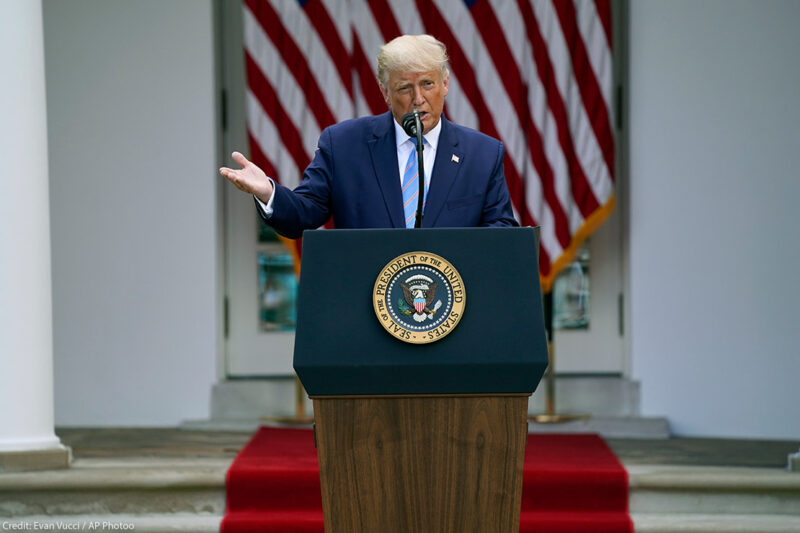
The US President's Demands and Military Posture
President Trump was unequivocal in his demands. "Number one, no nuclear. And number two, stop killing protesters," he declared, adding that Iranian authorities were "killing them by the thousands." He framed the ongoing US naval deployment as both a warning and a potential instrument of force, stating, "We have a lot of very big, very powerful ships sailing to Iran right now, and it would be great if we didn't have to use them." This fleet is reportedly led by the aircraft carrier USS Abraham Lincoln. The president's comments amplify warnings he posted earlier on his Truth Social platform, where he wrote of a "massive Armada" ready to act "with speed and violence, if necessary," while still expressing hope Iran would "quickly 'Come to the Table' and negotiate."
Iran's Defiant Response and Diplomatic Maneuvers
Iranian officials have responded with a mixture of defiance and conditional openness to dialogue. Foreign Minister Abbas Araghchi asserted that Iran's armed forces were ready "with their fingers on the trigger" to "immediately and powerfully respond" to any aggression. He reiterated the government's long-standing position that its nuclear program is entirely peaceful and that nuclear weapons "have no place in our security calculations." However, Araghchi also indicated a potential diplomatic path, stating Iran was ready for talks with the US "if these negotiations are based on mutual interest, mutual respect and mutual trust." He was clear, though, that Iran's missile defense systems would "never be the subject" of such negotiations.

International Reactions and the Protest Crisis
The international community is watching the crisis closely. UK Prime Minister Sir Keir Starmer, while visiting China, told the BBC that the UK was working with allies to prevent Iran from developing nuclear weapons and to address the "grotesque" repression of protesters. Turkey has positioned itself as a potential mediator. President Recep Tayyip Erdogan told his Iranian counterpart that Turkey was willing to help "de-escalate" tensions, and Foreign Minister Hakan Fidan said Turkey was "ready to support any peaceful solutions." The backdrop to the nuclear dispute is a severe domestic crisis in Iran. Protests that began over economic grievances have evolved into a broader challenge to the clerical leadership, met with a harsh crackdown. While Iranian authorities claim over 3,100 have been killed, mostly security personnel, the US-based Human Rights Activants News Agency (Hrana) reports confirmed deaths of at least 6,479 people, including many protesters and children, with thousands more under investigation.
Conclusion: A Precarious Standoff
The situation between the United States and Iran remains dangerously poised. President Trump has set clear, public benchmarks for Iran to avoid conflict, coupling them with a tangible military threat. Iran, while signaling a defensive readiness for war, has left a narrow window open for diplomacy, albeit on its own terms. The violent internal unrest within Iran adds a volatile dimension to the international confrontation. The coming weeks will be critical in determining whether diplomatic channels, potentially facilitated by regional actors like Turkey, can forge a path to de-escalation, or if the powerful US naval forces in the Gulf will be called upon to act.