Read on Global News
Trump's NATO Critique and the Shift in U.S. National Security Strategy
A recent interview with Politico reveals President Donald Trump's assertive stance on NATO, where he claims the alliance 'calls me daddy.' This coincides with the release of a new U.S. national security strategy that delivers sharp criticism of European allies and questions the future of NATO expansion. The strategy marks a significant pivot towards prioritizing American interests and burden-sharing, raising fundamental questions about the transatlantic alliance's direction under U.S. leadership.
The foundation of post-war transatlantic security is facing a profound reassessment from its most powerful member. In a revealing interview with Politico, U.S. President Donald Trump articulated a vision of American leadership that is both transactional and unilateral, starkly contrasting with decades of multilateral consensus. This perspective is codified in a newly released national security strategy that criticizes European allies and explicitly warns against the perpetual expansion of the NATO alliance, signaling a potential strategic reorientation with global implications.
A New Strategic Doctrine: America First, Europe Questioned
The cornerstone of this shift is the Trump administration's official national security strategy. The document moves beyond diplomatic niceties to deliver scathing critiques of European policies on migration and free speech, suggesting some allies face the "prospect of civilizational erasure." It raises existential doubts about their long-term reliability, positing that as certain NATO members' demographics change, their worldview and allegiance to the United States may fundamentally alter. The strategy's core thesis, as reported by Global News, is clear: "The days of the United States propping up the entire world order like Atlas are over."
Trump's Personal Influence and the "Daddy" Dynamic
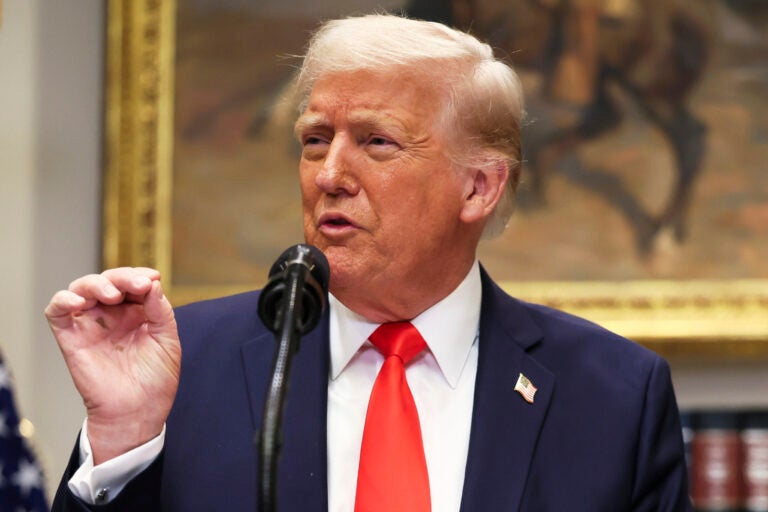
President Trump personally framed this strategic pivot in blunt, colloquial terms during his Politico interview. He boasted of his influence, stating, "NATO calls me daddy," a claim he linked directly to the alliance's adoption of his demand to increase member defence spending. His approach has been characterized by direct pressure, including past threats to withhold U.S. defence guarantees unless allies contributed more financially. This pressure has yielded results, with members like Canada committing to significant spending increases. However, this transactional model of alliance management departs from the collective security principles that have defined NATO since 1949.

The Expansion Question and Ukraine's Future
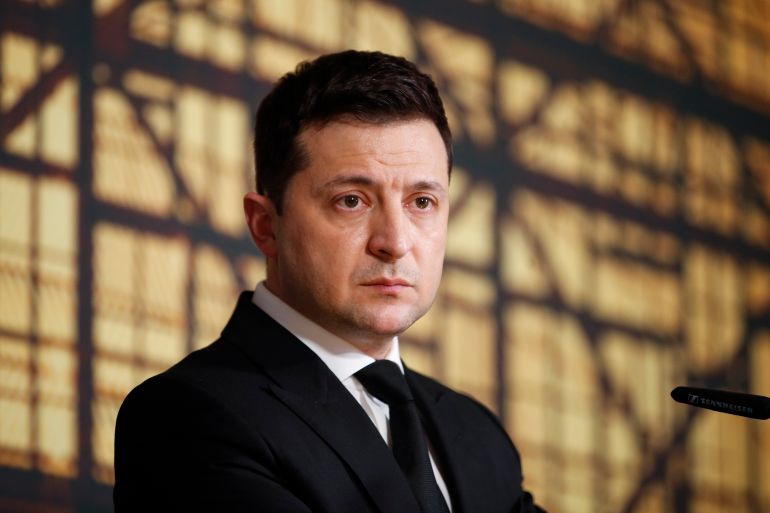
A critical element of the new strategy is its stance on NATO enlargement. The document advocates for "ending the perception, and preventing the reality, of NATO as a perpetually expanding alliance." When questioned, Trump suggested there are "countries that are difficult for NATO," citing Turkey as an example where he personally mediates. More significantly, he echoed a long-held Russian position by stating, "It was always... an understanding that Ukraine would not be going into NATO." This aligns the U.S. stance with Moscow's primary security grievance and creates immense pressure on Ukraine, which applied for membership following Russia's 2022 invasion, to potentially concede territory in peace negotiations.
Implications for the Transatlantic Alliance
The combined effect of the new doctrine and the president's rhetoric is a fundamental challenge to NATO's identity. The alliance, which has grown from 12 to 32 members, now faces open skepticism from its leader about the value of further growth and the long-term cohesion of its current membership. The strategy frames increased defence spending not just as a necessity, but as the creation of a U.S.-organized "burden-sharing network," reframing the alliance in more mercantile terms. This shift forces European capitals to confront a future where American security guarantees may be more conditional and less ideologically rooted in shared democratic values.
The interview and strategy document collectively mark a decisive moment. They represent more than a policy adjustment; they are a deliberate attempt to redefine the terms of American engagement with Europe. By questioning the reliability of allies, opposing further alliance expansion in line with Russian objections, and taking personal credit for enforcing financial contributions, the Trump administration is steering the Western security architecture into uncharted and potentially more fragmented waters. The long-term stability of this new model, based on transaction and skepticism rather than collective defence and shared destiny, remains the central question for global security.