Iran-US Tensions: Diplomacy and Defense Readiness Amid Escalating Threats
As a US military armada positions itself near Iranian waters, diplomatic efforts intensify to prevent a new regional conflict. Iranian authorities, while signaling openness to negotiations, emphasize that their current priority is achieving "200 percent readiness" for national defense. This analysis explores the complex interplay between diplomatic channels, military posturing, and the internal Iranian perspective, highlighting the critical role of regional mediators and the profound human cost of potential escalation.
In the shadow of a US military build-up and renewed threats, the geopolitical landscape of the Middle East stands at a precarious juncture. Iranian officials have articulated a dual-track approach: maintaining a stated commitment to diplomacy while simultaneously prioritizing comprehensive defensive preparations. This stance emerges as regional powers, notably Turkey, engage in urgent shuttle diplomacy to de-escalate tensions and avert a conflict that could severely destabilize the region. The situation represents a critical test for international conflict resolution, balancing the rhetoric of force with the imperative of dialogue.

The Diplomatic Front: Openness Tempered by Prudence
Iranian Foreign Minister Abbas Araghchi, during a meeting with his Turkish counterpart Hakan Fidan in Istanbul, reaffirmed Tehran's official position that diplomacy remains the preferred path. "We will never give up diplomacy," Araghchi stated, emphasizing that any process must be grounded in "justice and law." This public commitment to dialogue occurs alongside acknowledgments from US President Donald Trump, who said he is "planning on" holding talks with Iran. However, these overtures exist within a context of profound mistrust and recent hostilities, casting doubt on the immediate viability of formal negotiations.
Defensive Posturing as the Primary Strategy
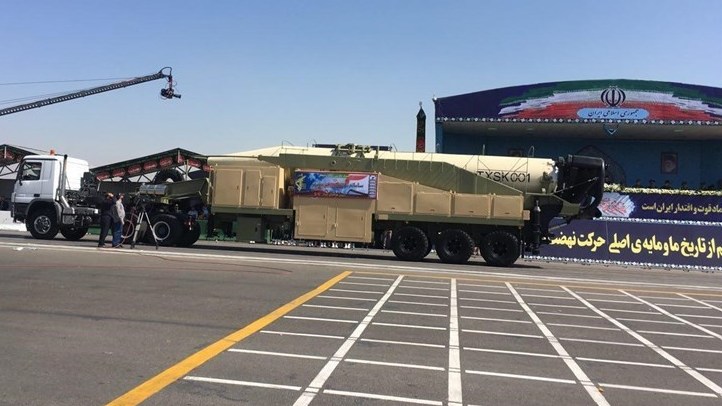
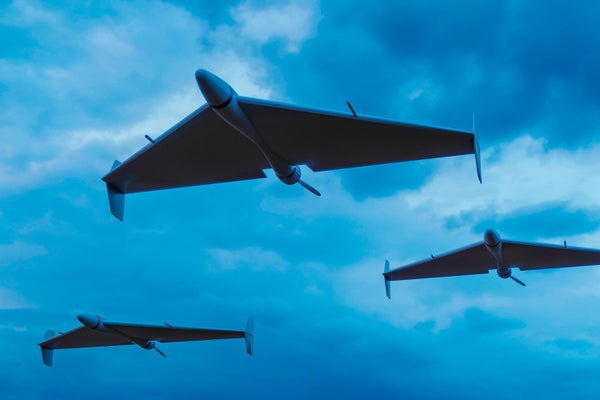
Contrary to the diplomatic language, the operational focus within Iran appears sharply oriented toward military readiness. Kazem Gharibabadi, a senior Iranian negotiator, explicitly framed the nation's priority: "Tehran's priority is currently not to negotiate with the US, but to have 200 percent readiness to defend our country." This defensive posture is informed by the traumatic experience of the 12-day war in June, during which Iran suffered attacks on its nuclear sites and the loss of senior military officials. The Iranian army has subsequently bolstered its capabilities, announcing the integration of 1,000 new "strategic" drones, including suicide, combat, and reconnaissance models, into its forces. Army commander Amir Hamati underscored that the agenda is to maintain "strategic advantages for fast combat and a decisive response to any aggression."
Regional Mediation and the Specter of External Pressure
Turkey has positioned itself as a key intermediary, with Foreign Minister Fidan directly appealing to the United States to resist external pressures for military action. "We see that Israel is trying to persuade the US to launch a military attack on Iran," Fidan warned, urging Washington to "act with common sense." He highlighted the catastrophic potential for regional destabilization and called for a vital resumption of nuclear talks. This mediation effort underscores the broader international concern that a US-Iran conflict would have devastating ripple effects across the Middle East, far exceeding the bilateral dispute.
The Human Dimension: Fear and Resilience in Iranian Society
Within Iran, the population faces the looming threat of conflict with a mixture of defiance and profound anxiety. Supporters of the government echo the defiant rhetoric of leaders, with one woman in Tehran asserting, "America can't do a damn thing," and expressing confidence in the state's ability to deliver a "decisive response." Conversely, many citizens voice deep fear about the human cost. "I think another war would be totally terrible for both countries, and it's the people of our country who will die in it," lamented a student. Another man foresaw "destruction and devastation" should war break out. These sentiments reveal a society acutely aware of its vulnerability, having recently endured violent protests, a widespread communications blackout, and the trauma of the previous year's conflict.
Civilian Preparedness and Infrastructure Gaps
Authorities have initiated measures for civilian preparedness, albeit with significant limitations. President Masoud Pezeshkian has authorized border provinces to import essential goods like food in anticipation of war. In Tehran, Mayor Alireza Zakani announced plans to build "underground parking shelters," but conceded the project would take "coming years" to complete. This admission highlights a critical lack of immediate public infrastructure to protect civilians from aerial bombardment, leaving the population exposed in the event of an imminent attack. The memory of the recent, prolonged internet blackout—which severed communication for over 90 million people—further compounds public apprehension about the societal impact of renewed hostilities.
Conclusion: A Precarious Balance Between War and Dialogue
The current standoff between Iran and the United States is defined by a stark contradiction between the language of diplomacy and the reality of military preparation. While channels of communication remain theoretically open, facilitated by regional actors like Turkey, the primary energy in Tehran is directed toward fortifying national defense. The Iranian public, still reeling from recent domestic turmoil, faces the prospect of another devastating conflict with trepidation. The path forward requires a delicate, good-faith de-escalation that prioritizes regional stability over military posturing. The alternative—a failure of diplomacy—risks unleashing a conflict with incalculable human and geopolitical consequences, where, as one Iranian citizen starkly noted, "death is already all around us." The international community must reinforce diplomatic efforts to ensure this balance does not tip toward catastrophe.