Read on nature.com
The Hidden Cost of Video-Call Glitches: How Technical Errors Undermine Social and Professional Outcomes
A recent study published in Nature reveals that video-call glitches do more than cause temporary frustration—they trigger feelings of 'uncanniness' that can harm consequential life outcomes. These technical errors, from frozen screens to audio delays, disrupt the natural flow of human interaction, leading to negative perceptions and reduced effectiveness in professional and social contexts. This article explores the psychological mechanisms behind this phenomenon and its implications for our increasingly digital communication landscape.
The shift to remote work and digital communication has made video calls a cornerstone of modern professional and social life. However, beneath the surface of this technological convenience lies a significant psychological cost. According to groundbreaking research published in Nature, the glitches that plague video conferencing platforms—frozen frames, robotic audio, and lagging connections—do more than cause momentary annoyance. They trigger a deep-seated sense of 'uncanniness' that can negatively impact trust, persuasion, and the overall success of our interactions, with tangible consequences for job interviews, client meetings, and personal relationships.

The Psychological Impact of Disrupted Presence
The core issue identified by researchers is that video-call glitches disrupt what psychologists call 'social presence.' This is the feeling that you are interacting with a real person in a shared space. When a video feed freezes or audio becomes distorted, it breaks the illusion of a seamless, face-to-face conversation. The human on the screen starts to seem less human and more like a malfunctioning machine. This breach triggers an 'uncanny valley' response—a concept borrowed from robotics where things that appear almost, but not quite, human elicit feelings of eeriness and discomfort. In the context of a video call, this uncanniness manifests as a subtle but powerful barrier to connection.
How Glitches Harm Consequential Outcomes
The research demonstrates that this triggered uncanniness is not a trivial feeling. It has measurable, negative effects on real-world outcomes. For instance, in a simulated job interview scenario, candidates whose video feeds exhibited glitches were perceived as less trustworthy, less competent, and less hireable compared to those with a stable connection, even when their verbal answers were identical. The glitch acted as a cognitive shortcut, leading evaluators to make negative attributions about the person's professionalism or preparedness. Similarly, in negotiations or sales pitches, a presenter battling technical issues is less likely to persuade their audience. The disruption draws attention away from the message and toward the medium, undermining the speaker's credibility and the argument's impact.

Mitigating the Hidden Costs
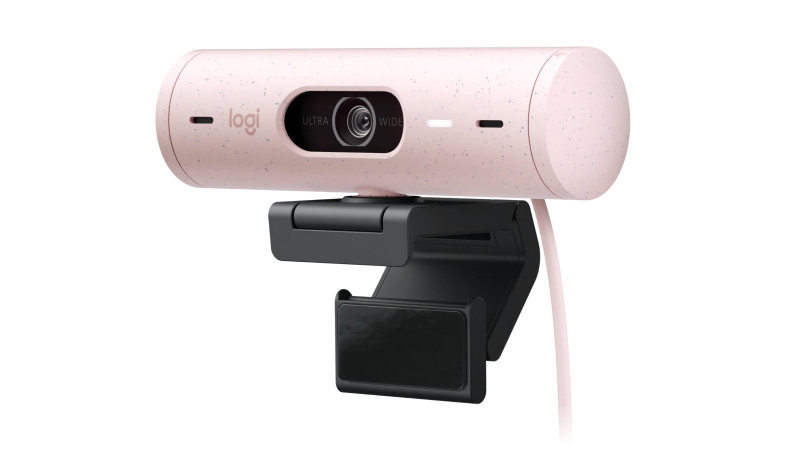
Understanding this psychological cost is the first step toward mitigation. On an individual level, it underscores the importance of investing in reliable technology—a quality webcam, a good microphone, and a stable internet connection are not mere luxuries but essential tools for professional credibility. Testing equipment and connection before important calls can prevent avoidable glitches. On an organizational level, companies should recognize that forcing employees to use subpar technology for client-facing or high-stakes internal meetings carries a hidden risk to outcomes. Providing stipends for home office tech or ensuring robust corporate IT support is an investment in communication efficacy. Furthermore, as remote and hybrid work models persist, platform developers have a responsibility to prioritize stability and minimize artifacts that trigger uncanny responses, moving beyond mere feature additions to focus on flawless core functionality.
Conclusion: Prioritizing Human Connection in Digital Spaces
The research into video-call glitches reveals a critical truth about our digital age: the quality of our technology directly shapes the quality of our human connections. What we often dismiss as a minor technical hiccup can fundamentally alter social perception and derail important objectives. As we continue to rely on video calls for everything from boardroom decisions to family gatherings, we must move beyond accepting glitches as inevitable. By prioritizing stability, investing in quality, and developing a greater awareness of the psychological interplay at work, we can build digital communication spaces that support, rather than undermine, our innate need for authentic and effective human interaction.