Read on nature.com
The Digital Workforce Revolution: Navigating Career Progression in an AI-Driven Economy
As artificial intelligence and holographic technologies reshape the modern workplace, career progression faces unprecedented challenges and opportunities. This article explores how the emergence of digital workers and automated systems is transforming traditional employment models, requiring professionals to adapt their skills and strategies for success in an increasingly automated economy. We examine the implications of these technological shifts for human workers and the evolving nature of career development in a world where digital and human employees coexist.
The modern workplace is undergoing a seismic transformation as artificial intelligence and digital technologies redefine what it means to have a career. The emergence of holographic workers and automated systems presents both challenges and opportunities for professionals navigating their career paths in this new landscape. As traditional employment models evolve, understanding these changes becomes crucial for effective career progression.

The Rise of Digital Workforce Solutions
Governments and corporations are increasingly turning to technological solutions to address workforce shortages and economic challenges. The concept of creating digital citizens to fill employment gaps represents a significant shift in how we approach labor markets. These initiatives aim to multiply the workforce without the traditional complications of human resource management, creating a new class of workers that exist primarily in digital form.
This approach reflects broader trends in automation and artificial intelligence integration across industries. As noted in the Nature Futures story, these digital workers come complete with social security profiles, tax codes, and even birth certificates, blurring the lines between human and digital employment. The implications for career progression are profound, as professionals must now compete with and collaborate alongside these digital counterparts.
Career Adaptation in the Digital Age
Traditional career paths are being disrupted by these technological advancements. Professionals must develop new skills and strategies to remain relevant in an increasingly automated workplace. The ability to work alongside digital systems and understand their capabilities becomes essential for career advancement.

Career progression now requires a combination of technical proficiency and uniquely human capabilities. While digital workers can handle routine tasks efficiently, human professionals bring creativity, emotional intelligence, and strategic thinking to the workplace. Understanding how to leverage these complementary strengths becomes key to successful career development in this new environment.
Future Implications for Workforce Development
The integration of digital workers raises important questions about the future of career progression and professional development. As automation continues to advance, the nature of work itself may transform, requiring professionals to adapt to new roles and responsibilities. The traditional linear career path gives way to more fluid and dynamic professional journeys.
Organizations and educational institutions must respond to these changes by developing new training programs and career development frameworks. The focus shifts from job-specific skills to broader competencies that enable professionals to navigate an evolving technological landscape. Career progression becomes less about climbing a predetermined ladder and more about continuous learning and adaptation.
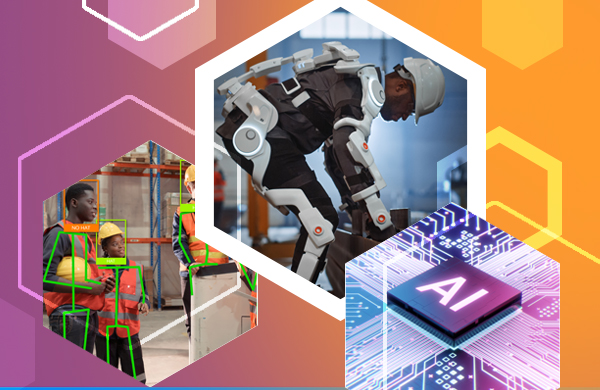
As we move forward, the relationship between human workers and digital counterparts will continue to evolve. Successful career progression will depend on understanding this dynamic and positioning oneself to thrive in a workplace where technological and human elements coexist and complement each other. The future of work may be digital, but the human element remains essential for innovation and growth.