Trump's 'Board of Peace' and the Technocratic Governance of Post-War Gaza
The newly established National Committee for Gaza Management (NGAC), operating under the direction of former US President Donald Trump's 'Board of Peace', has released its mission statement outlining plans for Gaza's reconstruction and administration. This technocratic body, authorized under UN Security Council Resolution 2803, faces enormous challenges in a territory physically destroyed by years of conflict, with widespread Palestinian skepticism about its autonomy given the board's current composition of pro-Israel figures and absence of Palestinian representation.
The future governance of Gaza has taken a controversial new direction with the establishment of a US-backed technocratic body operating under former President Donald Trump's 'Board of Peace'. The National Committee for Gaza Management (NGAC), authorized under United Nations Security Council Resolution 2803 as part of Trump's 20-point peace plan, represents a significant departure from traditional diplomatic approaches to the Israeli-Palestinian conflict. This development comes amid ongoing devastation in Gaza following more than two years of intense conflict that has left the territory's infrastructure in ruins and its population facing severe humanitarian crises.

The National Committee for Gaza Management: Structure and Mandate
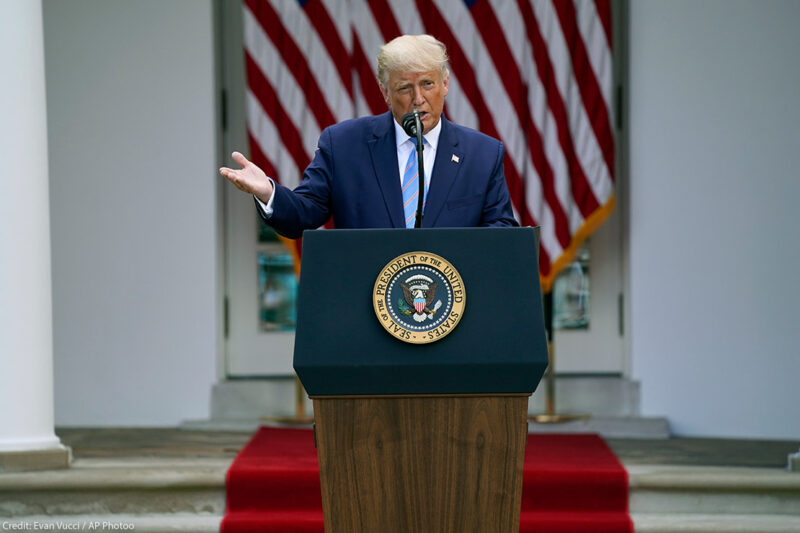
According to its recently released mission statement, the NGAC will operate as a technocratic body focused on the day-to-day rebuilding and stabilization of Gaza. General Commissioner Ali Shaath, a former Palestinian Authority deputy minister, stated that the committee would work "under the guidance of the Board of Peace, chaired by [US] President Donald J Trump, and with the support and assistance of the High Representative for Gaza." The White House has described the committee's mandate as laying "the foundation for long-term, self-sustaining governance" while addressing immediate reconstruction needs.
The organizational structure places the NGAC under the broader oversight of Trump's 'board of peace', with more direct operational guidance coming from a 'Gaza executive board'. This layered approach reflects Trump's preference for bypassing traditional international forums like the United Nations, as evidenced by letters inviting foreign leaders to join the board that suggest it may serve as a model for alternative diplomatic mechanisms. The reconstruction framework envisions the board overseeing broad strategic direction while the NGAC handles implementation of specific projects and services.

Key Priorities and Operational Challenges
The NGAC's mission statement outlines several core priorities for Gaza's reconstruction. Commissioner Shaath emphasized the body's commitment to "establishing security control of the Strip"—a significant challenge given that more than half of Gaza remains under direct Israeli military control. The committee also aims to restore essential services including electricity, water, healthcare, and education, all of which have been severely degraded or destroyed during the conflict. These services form what Shaath described as "the bedrock of human dignity" for Gaza's population.
Beyond immediate humanitarian needs, the NGAC plans to focus on economic development, seeking to "forge a productive economy capable of replacing unemployment with opportunity for all." The committee has pledged to operate with "the highest standards of integrity and transparency" while cultivating a society "rooted in peace, democracy, and justice." However, these ambitious goals face enormous practical obstacles in a territory where basic infrastructure has been systematically destroyed and where severe Israeli restrictions on aid entry continue to hamper reconstruction efforts, despite existing ceasefire agreements.
Political Concerns and Palestinian Skepticism
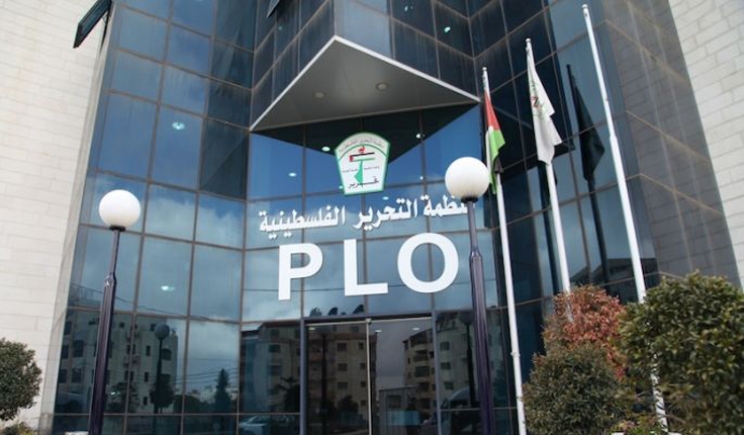
The composition of the oversight bodies has raised significant concerns among Palestinians and international observers. The current 'board of peace' and 'Gaza executive board' include firm supporters of Israel while lacking Palestinian representation—an imbalance that has fueled skepticism about how much autonomy the NGAC will actually exercise. Many Palestinians worry that the technocratic approach may circumvent crucial political questions, particularly regarding Palestinian statehood and an end to Israel's decades-long occupation of Palestinian territories.
These concerns are compounded by the broader context of the conflict, which has resulted in devastating human losses. According to reports referenced in the committee's announcement context, the death toll in Gaza has reached 71,548 since October 2023, with hundreds more killed by Israeli strikes even during ceasefire periods. The physical destruction of Gaza's infrastructure, combined with Israel's December announcement banning dozens of international aid organizations from operating in the territory, creates an exceptionally challenging environment for any reconstruction effort.
Broader Implications for Regional Diplomacy
The establishment of the NGAC and its oversight structure represents more than just a new approach to Gaza's governance—it signals a potential shift in how international conflicts might be addressed outside traditional diplomatic channels. Trump's 'board of peace' concept appears designed to function as an alternative to established international forums, with invitations extended to regional leaders including Turkey's Recep Tayyip Erdogan and Egypt's Abdel Fattah el-Sisi suggesting ambitions for a broader mandate beyond Gaza alone.
This development occurs against the backdrop of ongoing tensions between different approaches to Palestinian governance, with the Palestinian Authority maintaining its claims to represent Palestinian interests while new structures like the NGAC emerge with different mandates and oversight mechanisms. Commissioner Shaath's statement that the committee will "embrace peace, through which we strive to secure the path to true Palestinian rights and self determination" attempts to bridge these competing visions, though whether this technocratic approach can address fundamental political questions remains uncertain.
The success or failure of this experimental governance model will have significant implications not only for Gaza's reconstruction but for broader Middle East diplomacy and the future of Israeli-Palestinian relations. As the NGAC begins its work, it faces the dual challenge of addressing immediate humanitarian needs while navigating complex political dynamics that have frustrated peace efforts for generations.