Read on bbc.com
Ukraine's Energy Grid Under Siege: DTEK CEO Details Unrelenting Russian Attacks
Ukraine's largest private energy provider, DTEK, is operating in a state of permanent crisis as Russian strikes on the power grid intensify. CEO Maxim Timchenko told the BBC that attacks are so frequent his company has no time to recover between assaults, leaving millions of Ukrainians facing daily power rationing. With temperatures dropping, the disruption of electricity, heat, and water supplies has created a severe humanitarian challenge, forcing citizens to rely on generators and power banks. The article examines the operational and financial strain on Ukraine's energy infrastructure as it fights to keep the lights on through another winter of war.
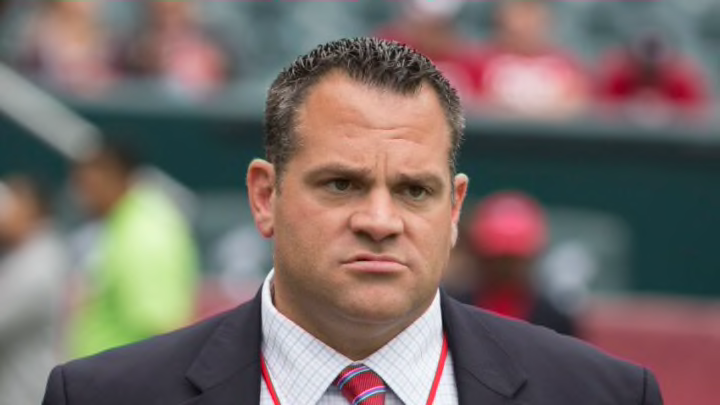
As Ukraine approaches the fourth anniversary of Russia's full-scale invasion, the nation's energy infrastructure faces an unprecedented assault. Maxim Timchenko, the chief executive of Ukraine's largest private energy provider DTEK, has revealed to the BBC that his company is living in "permanent crisis mode" due to the relentless intensity of Russian attacks. The strikes on power stations and transmission networks have become so frequent that recovery between assaults is nearly impossible, creating a dire situation for the 5.6 million Ukrainians who rely on DTEK for electricity.

The Scale of the Crisis
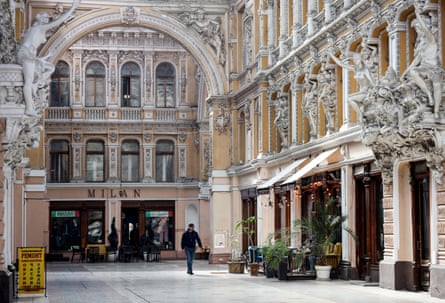
The impact of the damaged energy grid is felt across Ukraine, where electricity is now strictly rationed. Supplies are typically turned on for only a few hours each day, a schedule citizens must constantly monitor. In the southern city of Odesa, tens of thousands of people were without electricity for three consecutive days following a coordinated Russian attack earlier this week. President Volodymyr Zelensky has warned that Russia understands the winter cold could become "one of its most dangerous weapons," highlighting the strategic nature of these energy attacks.
For ordinary Ukrainians, the power outages mean more than just darkness. The loss of electricity also cuts off heat and water supplies, creating compounding hardships during freezing winter temperatures. Kyiv resident Tetiana describes a new daily routine: "The first thing I do in the morning is to check my phone to find out the daily schedule for when my power will be switched on." Like many, she has invested in power banks as essential survival equipment, noting, "You need to remember when you leave home to leave the powerbanks on so that you have them charged when you get back home."
Operational Challenges for DTEK
DTEK, which operates approximately five power stations mostly fueled by coal, has found itself squarely in Russia's crosshairs. Timchenko reports that Russia has repeatedly targeted DTEK's energy grid with "waves of drones, cruise and ballistic missiles." One power station was recently hit by five ballistic missiles in a single attack. The CEO states bluntly, "I don't remember a single day when I had no reports about some damage to our grid," with some facilities being attacked every three or four days.
The company's origins in the Donbas region of eastern Ukraine, where fighting is fiercest, adds another layer of complexity and danger. Eight DTEK engineers have been killed while performing their duties in this high-risk area. "Every day they risk their lives to keep power in this area," Timchenko emphasized, highlighting the human cost of maintaining energy infrastructure in a war zone.
Logistical and Financial Strain
Repairing the damaged infrastructure presents enormous logistical challenges. Where DTEK once sourced equipment from within Ukraine, it now must scour the rest of Europe for replacement parts, significantly delaying restoration efforts. The financial toll has been staggering: this year alone, DTEK has spent $166 million (£123 million) on repairing its damaged thermal power plants and coal facilities. These resources are being diverted from development and maintenance to basic survival and repair operations.

Community Response and Resilience
Despite the severe challenges, a spirit of community solidarity has emerged among Ukrainians facing energy shortages. In Odesa, Yana, who still has power, has opened her home to friends needing to charge their phones. Those with functioning water supplies have offered strangers the chance to wash or shower. Across the country, the constant hum of generators has become more prevalent than air raid warnings, as businesses and households create their own micro-grids to survive the outages.
About 50% of Ukraine's energy currently comes from three large nuclear power plants in central and western Ukraine, but the transmission network connecting this power to population centers has been severely damaged. This disruption means that even functioning generation facilities cannot reliably deliver electricity to those who need it most.
Strategic Implications and Future Outlook
The targeting of energy infrastructure represents a clear escalation in Russia's strategy to weaken Ukrainian morale and capacity as winter sets in. By attacking the power grid, Russia aims to compound the hardships of war, affecting heating, communication, medical services, and economic activity simultaneously. President Zelensky's declaration of an energy emergency underscores the severity of the situation and the government's recognition of energy security as a frontline defense issue.
Timchenko remains defiant despite the overwhelming challenges: "We will not give up. We have a responsibility to millions of mothers to have power and heat." This commitment reflects the broader Ukrainian determination to withstand Russian pressure, but the CEO's warning about the unrelenting pace of attacks suggests the energy sector faces its most difficult test yet. As Ukraine enters another winter of conflict, keeping the lights on has become both a practical necessity and a symbol of national resilience.