Read on the Guardian
EU Approves €90bn Loan for Ukraine, Sidestepping Frozen Russian Assets
European Union leaders have agreed to provide Ukraine with a €90 billion loan to cover its urgent financial needs for the next two years. The deal, reached after late-night negotiations, represents a significant commitment to Kyiv's resilience but falls short of the preferred plan to directly secure the funding against frozen Russian assets. Instead, the loan will be backed by the EU budget, with repayment contingent on Russia paying war reparations to Ukraine. This article analyzes the agreement's structure, the political compromises that made it possible, and its implications for Ukraine's financial stability and the broader geopolitical standoff with Russia.
In a decisive move to bolster Ukraine's financial resilience, European Union leaders have agreed to a landmark €90 billion loan package. The agreement, finalized in the early hours of Friday, aims to cover most of Ukraine's estimated needs for 2026 and 2027. However, the deal represents a significant compromise, as it secures the loan against EU borrowing rather than the bloc's preferred option of using Russia's frozen assets, a point of contention that dominated the summit negotiations.
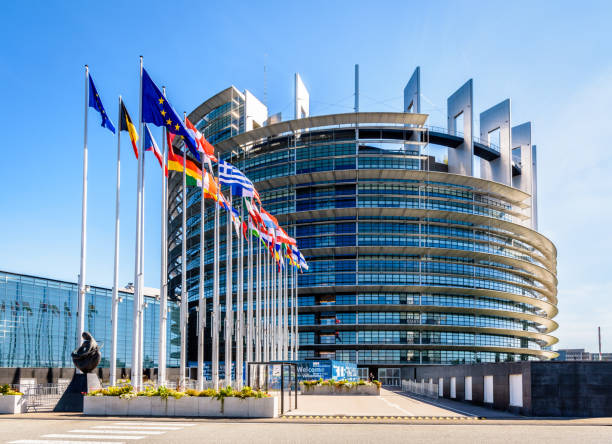
The European Council President, António Costa, declared the outcome a success, stating, "We committed and we delivered." He confirmed that the loan, backed by the EU budget, includes a critical condition: Kyiv will only be required to repay the funds once Russia pays war reparations. "The union reserves its right to make use of the immobilised assets to repay this loan," Costa added, leaving the door open for future action against Russian holdings. Ukrainian President Volodymyr Zelenskyy welcomed the support on social media, calling it "significant support that truly strengthens our resilience" and emphasizing the importance of keeping Russian assets immobilized.
The Compromise: EU Budget Backing Over Russian Assets
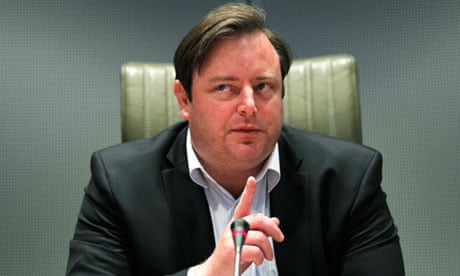
The summit revealed deep divisions over how to finance support for Ukraine. Many member states, led by Germany, initially pushed for a "reparations loan" directly secured against approximately €210 billion in Russian state assets frozen within the EU. This plan faced a major obstacle from Belgium, which hosts the clearing house Euroclear where 88% of these funds are held. Belgian Prime Minister Bart De Wever raised substantial legal and financial concerns, arguing for unlimited budget guarantees from other states if Russia successfully sued for damages. De Wever criticized the reparations loan model, suggesting it was fraught with "loose ends" that could cause the entire structure to collapse.
Faced with this impasse, leaders pivoted to using the EU budget as the guarantee mechanism. This approach required unanimity, which was only achieved after securing the support of three skeptical Central European governments—Hungary, Slovakia, and the Czech Republic. These nations agreed on the condition that their financial obligations for the loan guarantees would be waived. Hungarian Prime Minister Viktor Orbán signaled the agreement with a social media post featuring the three leaders, captioned "back in business!"
Political Dynamics and Strategic Messaging
German Chancellor Friedrich Merz, a staunch advocate for leveraging Russian assets, framed the final agreement as a strategic victory. He argued it still achieved the core objective, as Russian assets would ultimately be used to repay the loan if Moscow refuses reparations. "We just changed the timeline a bit," Merz told reporters, asserting that the assets remain the securitization for the financial package. He emphasized the deal sends a "decisive message" to Russian President Vladimir Putin that his war "will not pay off."
Other leaders highlighted the political significance of unity. Danish Prime Minister Mette Frederiksen noted the difficulty of achieving consensus among 27 nations, calling the €90 billion agreement "quite something." Italian Prime Minister Giorgia Meloni expressed satisfaction that resources were secured on a "solid legal and financial basis," while European Commission President Ursula von der Leyen pointed to the earlier decision to freeze Russian assets indefinitely as "the big win."
Implications and Next Steps
The shift to an EU budget-backed loan has practical implications. Chancellor Merz indicated the funds could be available to Kyiv by mid-January, well ahead of a projected cash crunch in April, as raising capital on markets is faster than navigating the complex legal steps required to directly tap frozen assets. However, the failure to implement the asset-backed model has created uncertainty among other Western allies, such as the UK, Canada, and Japan, whom the EU had hoped would follow its lead. Brussels is now calling on these non-EU allies to contribute approximately €45 billion to cover the remainder of Ukraine's estimated €136 billion needs.

The reaction from Moscow was predictably critical, yet it welcomed the specific outcome on assets. Kirill Dmitriev, a top Russian economic negotiator, stated that "for the time being, the law and common sense have won a victory" by preventing the "illegitimate" use of Russian funds. The agreement underscores the ongoing challenge of balancing robust support for Ukraine with the complex legal and financial realities of confronting a nuclear-armed adversary. The EU's €90 billion pledge solidifies its commitment, but the path to holding Russia financially accountable for its war of aggression remains contested and unresolved.