Read on the Guardian
EU Secures €90bn Loan for Ukraine Amidst Russian Criticism and Political Compromise
European Union leaders have agreed on a €90 billion loan package to support Ukraine's financial needs, though the deal came without the preferred mechanism of using frozen Russian assets as collateral. Ukrainian President Volodymyr Zelenskyy welcomed the agreement as a crucial signal to Russia, while Russian President Vladimir Putin condemned the plan as 'robbery' and blamed Ukraine for continuing the conflict. The compromise solution emerged after Belgium resisted pressure to back a reparations loan secured against Russian assets, leading to a historic agreement that saw Hungary, Slovakia, and the Czech Republic opt out of the funding mechanism.
The European Union has reached a landmark agreement to provide Ukraine with €90 billion in financial support, securing crucial funding for Kyiv's defense efforts amid Russia's ongoing invasion. The deal, finalized after marathon negotiations in Brussels, represents a significant political compromise that balances Ukraine's immediate needs with complex legal and diplomatic considerations. While Ukrainian leaders have welcomed the financial lifeline, the agreement has drawn sharp criticism from Moscow and exposed divisions within the European bloc regarding the most effective approach to supporting Ukraine's war effort.
The EU's €90bn Loan Agreement
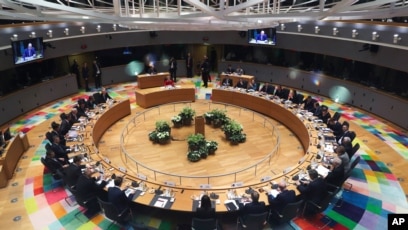
After 16 hours of intensive negotiations, EU leaders early on Friday agreed to provide Ukraine with a €90 billion loan to address the country's urgent financial needs. The funding comes at a critical moment, as Ukraine risked running out of money by April 2026. The agreement represents a compromise solution that emerged after the preferred option—a reparations loan secured against frozen Russian assets—faced resistance from several member states.
The European Commission had initially proposed a plan to provide a loan to Kyiv secured against some of the €210 billion of Russian central bank assets frozen in Europe, most of which are held at the Euroclear clearing house in Belgium. This approach appealed to many leaders for both practical and moral reasons: it involved no new common borrowing and offered the symbolic satisfaction of seeing Russian money help Ukraine fight Russian aggression. However, legal concerns and fears of Russian retaliation ultimately led to the adoption of an alternative mechanism.
Political Compromises and Opt-Outs
The final agreement included a historic provision allowing Hungary, Slovakia, and the Czech Republic to opt out of the funding mechanism—the first time a decision on new EU debt has been reached without unanimity. This compromise was necessary to secure the backing of Eurosceptic governments while ensuring the majority of member states could move forward with the support package. The three central European countries welcomed their exemption from the financial obligations, though Czech President Petr Pavel emphasized the importance of continued support for Ukraine's survival.
Ukrainian and European Reactions
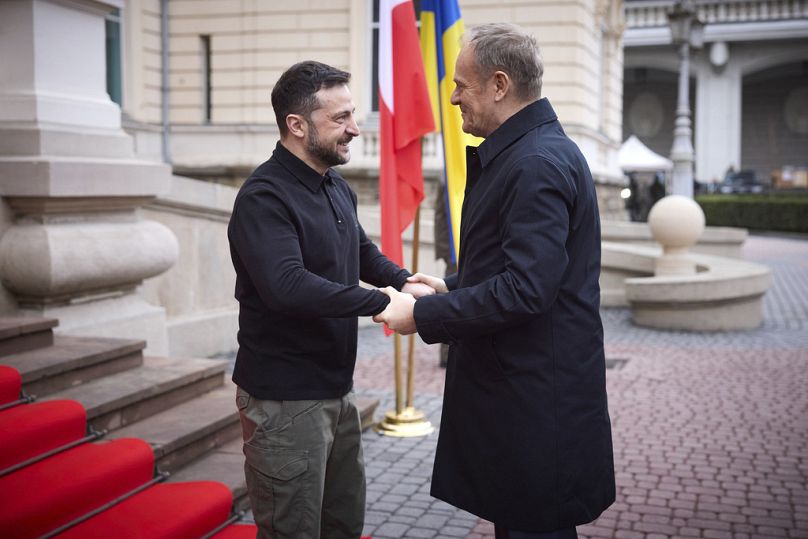
Ukrainian President Volodymyr Zelenskyy welcomed the EU decision, stating that it sent "a signal to the Russians that there is no point in continuing the war" as Ukraine now had the means to defend itself. During a meeting with Polish Prime Minister Donald Tusk in Warsaw, Zelenskyy emphasized that "the scariest thing for Russia is if we are together. Because they definitely cannot defeat the two of us." Tusk, while expressing satisfaction with the deal, noted that "it could be better," reflecting the complex political negotiations that preceded the agreement.
Belgian Prime Minister Bart De Wever, whose country played a pivotal role in the negotiations, hailed the outcome as "a stable, legally robust and financially credible" solution. De Wever had resisted pressure to back the assets-backed reparations loan, arguing that Moscow would retaliate and that courts in Russia-friendly jurisdictions could order Belgian assets to be seized. Following the summit, he used a feline metaphor to explain his position: "You should not complain about the colour of the cat. If it can catch a mouse, it is fine."
Divisions Within the EU
The agreement laid bare the deep divisions that often hobble EU decision-making, with leaders expressing varying degrees of satisfaction with the compromise. Italy's Giorgia Meloni and Denmark's Mette Frederiksen welcomed the decision, while Spain's Pedro Sánchez backed it as "right politically, legally and morally." In contrast, Hungary's Viktor Orbán called the loan an "extremely bad decision" and "lost money," highlighting the ongoing tensions within the bloc regarding support for Ukraine.
Russian Response and Putin's Position
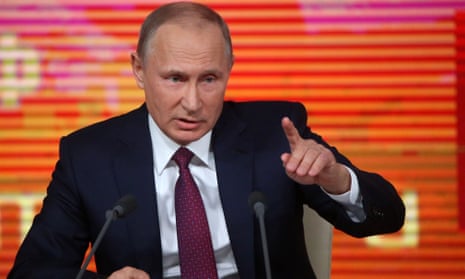
Russian President Vladimir Putin used his annual year-end press conference to condemn the EU's loan plan as "robbery" and warned about potential consequences. Putin struck a familiar hardline tone on the war in Ukraine, blaming Kyiv for continuing the conflict and insisting that Russia was not a threat to Europe. He repeated the Kremlin's maximalist conditions for peace, demanding that Ukraine withdraw from the entirety of the Donetsk, Luhansk, Kherson, and Zaporizhzhia regions—conditions that Ukraine and its Western allies have repeatedly rejected.
Despite his combative rhetoric, Putin acknowledged "some signals ... indicating they are willing to engage in some type of dialogue," suggesting potential openness to negotiations under certain conditions. However, he placed responsibility for moving toward peace squarely on Ukraine and the West, stating that "the ball is in the west and Ukraine's court to move on ending war." The Russian leader's comments came as Ukraine launched a drone attack on a Russian "shadow fleet" tanker in the Mediterranean Sea, marking the first such strike in that region since the invasion began.
Strategic Implications and Future Challenges
The EU's €90 billion loan represents more than just financial support for Ukraine—it marks a potentially significant evolution in how the bloc approaches collective security and foreign policy financing. As noted by Guntram Wolff of the Bruegel economic thinktank, "If you want to do EU foreign policy, you need EU resources and debt. The European Council delivered." The agreement demonstrates the EU's ability to find creative solutions despite internal divisions, though it also highlights the limitations of consensus-based decision-making in times of crisis.
Ukraine's Finance Minister Serhiy Marchenko emphasized that while the loan was welcome, it remained insufficient to fully cover the country's financial needs. He urged partners to continue work on a reparations loan, describing it as "a systemic, long-term solution" that would "ensure sustainable defense capabilities and protect Europe from future conflicts." Meanwhile, negotiators from Ukraine and its European allies prepared for fresh talks with US officials, indicating ongoing diplomatic efforts to find a path toward ending the conflict.
Looking Ahead
The EU's funding agreement comes at a critical juncture in the conflict, with both military and diplomatic developments suggesting potential shifts in the war's trajectory. As US Secretary of State Marco Rubio noted, while progress has been made in negotiations, "the hardest issues are always the last issues." The financial support from Europe provides Ukraine with crucial breathing room, but the fundamental challenges of achieving a sustainable peace remain unresolved. The agreement demonstrates Europe's continued commitment to Ukraine's defense while also revealing the complex political calculations that shape international responses to the conflict.