Read on bbc.com
EU Backtracks on 2035 Petrol and Diesel Car Ban: A Pragmatic Shift or a Climate Setback?
The European Commission has significantly softened its landmark plan to end sales of new petrol and diesel cars by 2035, bowing to intense lobbying pressure from the automotive industry. The revised proposal now mandates that only 90% of new cars sold from 2035 must be zero-emission, allowing a 10% window for conventional and hybrid vehicles. This article examines the economic pressures driving this policy shift, the fierce debate it has ignited between industry leaders and environmental groups, and the potential implications for the UK's own green transport ambitions.
The European Union's ambitious roadmap for a green automotive future has hit a significant speed bump. In a major policy reversal, the European Commission has announced a dilution of its plan to ban the sale of new petrol and diesel vehicles by 2035. The original "zero emission" mandate has been replaced with a target requiring 90% of new cars sold from that date to be emission-free, a concession largely attributed to heavy lobbying, particularly from German carmakers. This move has sparked a fierce debate, pitting economic pragmatism against climate ambition and raising critical questions about the future of Europe's automotive industry and its environmental commitments.

The Revised EU Automotive Policy
Under the newly proposed framework, the path to 2035 is no longer an absolute cliff edge for the internal combustion engine. The core change is the introduction of a 10% flexibility pool. This portion of the market can consist of new conventional petrol or diesel cars, as well as hybrid vehicles. To compensate for the emissions from these remaining fossil-fuel vehicles, the Commission's plan expects an increased use of biofuels and synthetic e-fuels, which are created from captured carbon dioxide. Furthermore, the proposal introduces requirements for carmakers to utilize low-carbon steel manufactured within the EU in their vehicle production, aiming to reduce the overall carbon footprint of the manufacturing process.
The Driving Force: Industry Pressure and Market Realities
The primary catalyst for this policy shift has been sustained and intense lobbying from the automotive sector. The European Automobile Manufacturers' Association (ACEA) has been vocal, arguing that current consumer demand for electric vehicles is insufficient to meet a 100% target without severe financial consequences. Sigrid de Vries, Director General of ACEA, emphasized the urgency for "flexibility," warning that "2030 is around the corner, and market demand is too low to avoid the risk of multi-billion-euro penalties for manufacturers." The industry contends that more time is needed to build out charging infrastructure and for governments to introduce stronger fiscal incentives to stimulate consumer adoption.

A Divided Response: Pragmatism vs. Principle
The Commission's draft proposal has received a mixed reception, highlighting a deep rift in perspectives. German automaker Volkswagen welcomed the changes, describing them as "economically sound overall" and "pragmatic and in line with market conditions." They particularly praised the special support proposed for small electric vehicles. In stark contrast, Swedish manufacturer Volvo, which has committed to going fully electric, issued a strong critique. The company warned that "weakening long-term commitments for short-term gain risks undermining Europe's competitiveness for years to come," advocating instead for a consistent and ambitious policy framework supported by infrastructure investment.
Implications for the UK and Global Competitiveness
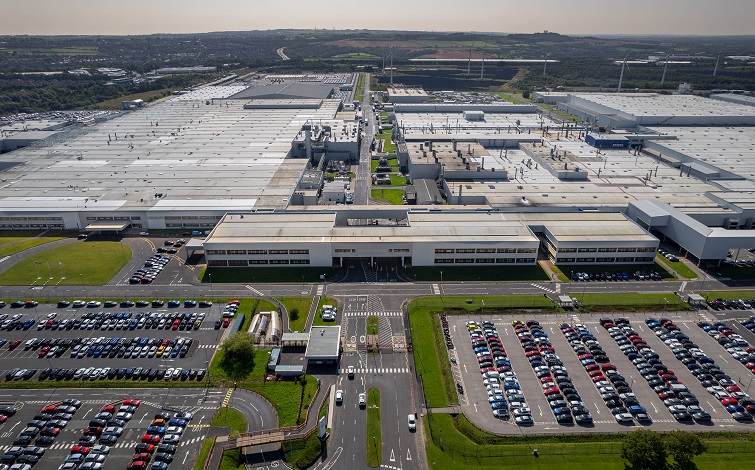
The EU's policy shift places a spotlight on the United Kingdom's own Zero Emission Vehicle (ZEV) mandate. Environmental campaigners are urging the UK government to resist following the EU's lead. Anna Krajinska of Transport & Environment UK stated, "The UK must stand firm. Our ZEV mandate is already driving jobs, investment and innovation into the UK. As major exporters we cannot compete unless we innovate, and global markets are going electric fast." Industry experts echo the importance of policy stability. Colin Walker from the Energy and Climate Intelligence Unit noted that stable UK policy gives companies the confidence to invest in charging infrastructure, a point underscored by Nissan's continued EV investment in Sunderland.
Conclusion: Navigating a Complex Transition
The EU's decision to water down its 2035 ban reflects the immense complexity of orchestrating a wholesale industrial and consumer transition. While framed as a necessary adjustment to economic and market realities, it undeniably represents a retreat from a previously unambiguous climate goal. The compromise attempts to balance environmental targets with the preservation of industrial jobs and competitiveness. However, as critics argue, it risks sending a confusing signal to consumers and investors, potentially slowing the very innovation and infrastructure rollout needed for success. The ultimate test will be whether this flexible approach accelerates the practical path to electrification or merely postpones the inevitable, leaving Europe vulnerable in the rapidly electrifying global auto market.