Winter Rains Compound Humanitarian Crisis for Displaced Palestinians in Gaza
Severe winter weather is intensifying the suffering of displaced Palestinians in Gaza, where heavy rains and strong winds are flooding makeshift shelters and creating new health hazards. With an estimated 80% of buildings destroyed by Israel's ongoing war, most residents are sheltering in flimsy tents that offer little protection. The contaminated floodwaters, damaged sewage systems, and continued Israeli attacks are creating a deadly combination that aid agencies warn could lead to more deaths from disease and exposure.
The humanitarian catastrophe in Gaza has entered a perilous new phase as severe winter weather compounds the devastation wrought by more than two years of war. Heavy rains and strong winds are now directly threatening the lives of displaced Palestinians who have already endured relentless bombardment, siege, and the loss of their homes. This environmental crisis, unfolding amidst ongoing Israeli military operations and severe aid restrictions, is creating what United Nations officials describe as an entirely preventable escalation of human misery.

Immediate Dangers from Flooding and Contamination
The immediate impact of the winter storms is visible in the inundation of the flimsy tent shelters that now house most of Gaza's population. Following recent heavy rains, makeshift camps have been engulfed in mud and standing water, creating impossible living conditions for families already traumatized by war. The situation is particularly dire in areas like Gaza City's Zeitoun neighbourhood, where Al Jazeera correspondent Hind Khoudary reported that deep puddles and thick mud have made movement difficult. More alarmingly, these floodwaters are not merely rainwater but contaminated mixtures containing sewage and rubbish from overwhelmed and damaged sanitation systems.
This contamination creates significant public health risks, with officials warning of the threat of disease and illness spreading through the population. The combination of inadequate shelter, contaminated water, and cold temperatures creates ideal conditions for respiratory infections, waterborne diseases, and other health emergencies in a population already suffering from malnutrition and limited access to medical care. The situation represents what aid groups describe as a compounding disaster, where environmental factors multiply the human cost of the ongoing conflict.
Human Cost: Deaths from Exposure and Collapses
The human toll of these conditions is already being counted in lives lost. According to Gaza's Ministry of Health, at least 15 people, including infants, have died this month from hypothermia following the rains and plunging temperatures. The death of two-month-old Arkan Firas Musleh on Monday highlights the particular vulnerability of Gaza's youngest residents to the extreme cold. Beyond exposure, the structural damage from the war creates additional lethal hazards during severe weather.
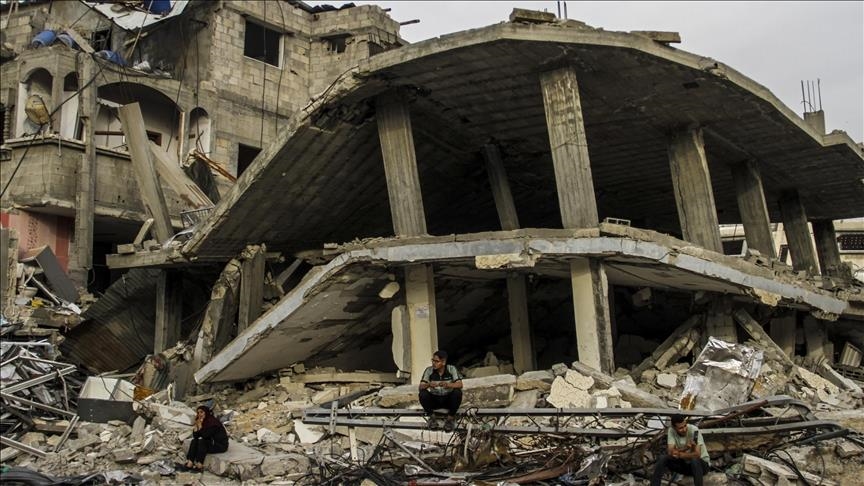
Authorities have reported deaths from building collapses onto tents, including a Palestinian man killed in the Tel al-Hawa neighbourhood of Gaza City and a 30-year-old woman killed when a partially destroyed wall collapsed onto her tent in the Remal neighbourhood amid fierce winds. These incidents underscore the impossible choices facing displaced Palestinians: shelter in damaged buildings that risk collapse, or remain in tents that offer limited protection from rain and no protection against flooding. With an estimated 80 percent of Gaza's buildings destroyed by Israel's war, according to Al Jazeera's reporting, safe shelter options are virtually nonexistent.
Ongoing Conflict Amid Ceasefire Violations
Compounding the weather-related crisis, Israeli military operations have continued despite the US-brokered ceasefire that took effect on October 10. According to reports from Al Jazeera Arabic, Israeli attacks have targeted areas including the Jabalia camp in northern Gaza, the eastern areas of the Bureij camp in central Gaza, and areas east of Rafah and Gaza City. These operations have resulted in additional casualties, with three Palestinians reported injured in the Jabalia attack alone.
The continuation of hostilities undermines both immediate humanitarian efforts and longer-term recovery prospects. Since the truce began, Gaza's Ministry of Health reports that more than 414 Palestinians have been killed and more than 1,100 wounded in ceasefire violations. This ongoing violence occurs alongside what UN officials describe as Israel's blocking of critical shelter and aid supplies into the territory at the scale required to address the massive humanitarian need.

International Response and Aid Challenges
The international aid community has sounded alarms about the deteriorating situation, with UNRWA Commissioner-General Philippe Lazzarini stating plainly that "there was nothing inevitable about this" suffering. Aid groups are calling for increased pressure on Israel to lift restrictions on life-saving aid deliveries, which they say are falling far short of the amounts called for under the ceasefire agreement. The US-brokered 20-point plan proposed in September envisioned an initial truce followed by steps toward wider peace, including the exchange of captives and a partial Israeli withdrawal.
However, the promised humanitarian aid flows have not materialized at the necessary scale, leaving displaced Palestinians to face winter conditions without adequate shelter, clothing, or heating. The situation represents a failure of both the immediate humanitarian response and the broader diplomatic efforts to secure a sustainable peace. With harsh winter weather expected to continue, the international community faces urgent questions about how to prevent further loss of life among Gaza's vulnerable population.