Read on the Guardian
Starmer's China Diplomacy: Balancing Trade and Human Rights Amidst International Scrutiny
Prime Minister Keir Starmer's landmark visit to Beijing has sparked intense debate about the UK's diplomatic approach to China. While securing economic concessions including visa-free travel and reduced tariffs, the trip faced criticism from US President Donald Trump and human rights activists. The lifting of Chinese sanctions on British parliamentarians has been met with skepticism by those affected, who continue to highlight ongoing human rights abuses against Uyghurs and the imprisonment of British citizen Jimmy Lai. This analysis examines the complex balancing act between economic engagement and human rights advocacy in UK-China relations.
Prime Minister Keir Starmer's first official visit to China in eight years represents a significant diplomatic shift for the UK government, marking an attempt to reset relations with the world's second-largest economy. The trip, which included meetings with Chinese President Xi Jinping and business leaders, has generated both economic opportunities and political controversy. As the UK navigates post-Brexit trade relationships and global power dynamics, Starmer's approach to China reveals the complex challenges facing modern diplomacy—balancing economic interests with human rights concerns while managing international alliances.

The Diplomatic Reset and Economic Outcomes
Starmer's visit to Beijing yielded several concrete economic agreements that signal a warming of UK-China relations. Most notably, China agreed to implement visa-free travel for British citizens for stays of up to 30 days, a move that could significantly boost tourism and business exchanges between the two nations. Additionally, Chinese tariffs on Scotch whisky were reduced, providing relief to an important UK export industry that has faced trade barriers in recent years. These developments follow what Starmer described as "very good meetings" with President Xi, suggesting a deliberate effort to establish more constructive dialogue after years of strained relations.
The prime minister emphasized the need for a "more sophisticated" relationship with China, acknowledging both the economic opportunities and the political challenges inherent in dealing with Beijing. This approach represents a departure from the more confrontational stance taken by some Western nations, positioning the UK as seeking pragmatic engagement rather than outright confrontation. Starmer's delegation included nearly 60 representatives from British businesses and cultural institutions, underscoring the economic focus of the visit and the government's commitment to expanding trade opportunities in the post-Brexit landscape.

International Reactions and Trump's Criticism
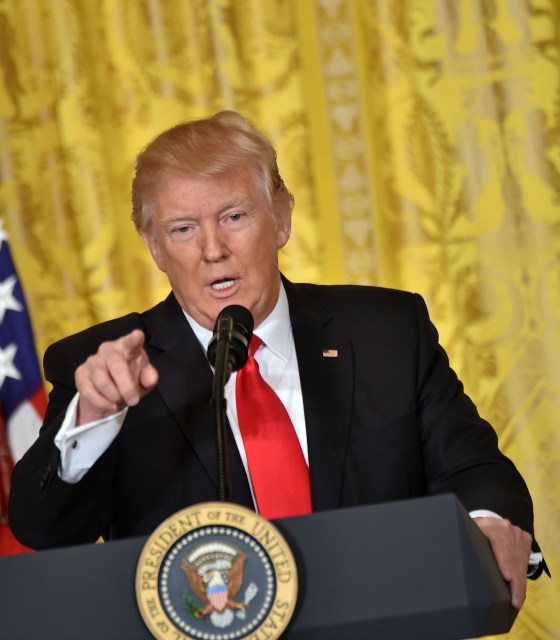
The diplomatic reset with China has not occurred in a vacuum, drawing significant international attention and criticism. Most notably, US President Donald Trump characterized UK-China business dealings as "very dangerous" when questioned by reporters about Starmer's visit. Trump's comments, made shortly after Starmer announced the successful trip, highlighted the geopolitical tensions surrounding Western engagement with China. The US president suggested that Canada's business dealings with China were "even more dangerous," indicating broader concerns about Chinese influence in Western economies.
Starmer responded to Trump's criticism with diplomatic deflection, suggesting that the US president "was probably talking more about Canada than the United Kingdom." This response reflects the delicate balancing act required in managing the UK's "special relationship" with the United States while pursuing independent foreign policy objectives. Starmer noted that his visit to China had been discussed with Trump's team ahead of time and highlighted the US president's own scheduled trip to China in April, suggesting coordination rather than conflict between the two allies' approaches to Beijing.
Human Rights Concerns and Sanctions Controversy
Perhaps the most contentious aspect of Starmer's China visit concerns human rights issues, particularly regarding the treatment of Uyghur Muslims in Xinjiang province and the situation in Hong Kong. During the visit, China lifted sanctions imposed in 2021 on nine British citizens, including five Conservative MPs and two members of the House of Lords. These individuals had been targeted for highlighting human rights violations against the Uyghur community, making the sanctions a symbolic representation of UK-China tensions over human rights.
However, those affected by the sanctions have expressed little comfort in their removal. The group of parliamentarians issued a statement declaring: "While British citizen Jimmy Lai remains imprisoned and Uyghurs continue to suffer atrocity crimes, we take no comfort in this decision and will not be silenced." They further demanded "urgent assurances from the government regarding those who were placed under sanction together with us" and expressed "ongoing solidarity with the Uyghur people, whose cause we will not drop." This response highlights the gap between diplomatic gestures and substantive progress on human rights issues.

Activist Criticism and Domestic Political Implications
Prominent Hong Kong and Uyghur activists living in exile in the UK have strongly criticized Starmer's approach, accusing him of seeking China's "desperate approval." Pro-democracy campaigner Finn Lau stated that the Hong Kong community is "disappointed by Starmer's visit, but unsurprised by the government's 'short sightedness'." Lau, who has faced threats of transnational repression since relocating to the UK, accused the government of "virtue-signalling" while proceeding with the development of a highly-contested new Chinese embassy in central London.
Rahima Mahmut, executive director of Stop Uygur Genocide, condemned Starmer's visit as occurring while "genocide and crimes against humanity against the Uyghur people continue unabated." She warned that the prime minister's trip risks normalizing repression and sends a "chilling message" to victims that justice can be sidelined for political or economic convenience. These criticisms reflect broader concerns about whether economic engagement with China comes at the expense of human rights advocacy, a dilemma facing many Western governments.
Broader Foreign Policy Context and Domestic Politics
Starmer's China visit occurs against a backdrop of multiple foreign policy challenges and domestic political pressures. During his trip, the prime minister signaled British support for potential US strikes on Iran, stating he backed President Trump's goal of preventing Tehran from obtaining nuclear weapons. This positioning on Iran, combined with the China engagement, illustrates the complexity of managing multiple international relationships simultaneously while maintaining policy coherence.
Domestically, the visit has political implications beyond foreign policy. The upcoming Gorton and Denton byelection has become a focal point for opposition to Starmer's leadership, with Reform UK and the Green Party positioning themselves as alternatives to a Labour government whose approval ratings have declined. The selection of controversial candidates and endorsements from far-right figures has intensified the political stakes, creating a challenging environment for Starmer's foreign policy initiatives to be evaluated on their merits rather than through the lens of domestic political battles.
Conclusion: Navigating a Complex Diplomatic Landscape
Keir Starmer's China visit represents a calculated attempt to redefine UK-China relations in the post-Brexit era, prioritizing economic engagement while managing the inevitable human rights criticisms. The secured concessions on visa-free travel and whisky tariffs demonstrate tangible benefits from diplomatic engagement, yet the strong reactions from activists, affected parliamentarians, and international allies highlight the persistent tensions in this relationship. As the UK positions itself globally, the China question will continue to test the government's ability to balance economic interests with ethical foreign policy principles.
The ultimate success of Starmer's China diplomacy will depend not only on the economic benefits realized but also on whether engagement leads to meaningful progress on human rights concerns. The government must navigate between the pragmatic recognition of China's economic importance and the moral imperative to address serious human rights violations. This delicate balancing act will define UK-China relations for years to come and test Starmer's leadership both domestically and on the international stage.