Read on the Guardian
China Lifts Sanctions on British MPs and Peers in Diplomatic Thaw Following Starmer-Xi Talks
In a significant diplomatic development, China has lifted sanctions imposed on six serving British MPs and peers, a move confirmed by Prime Minister Keir Starmer following his landmark talks with President Xi Jinping in Beijing. The sanctions, originally imposed in 2021 in retaliation for UK actions over human rights concerns in Xinjiang, had become a major point of tension in UK-China relations. While the immediate removal applies to current parliamentarians, questions remain about sanctions on other individuals, and the affected MPs have vowed to continue speaking out against human rights abuses. This development signals a potential warming of relations as both countries navigate complex geopolitical dynamics.
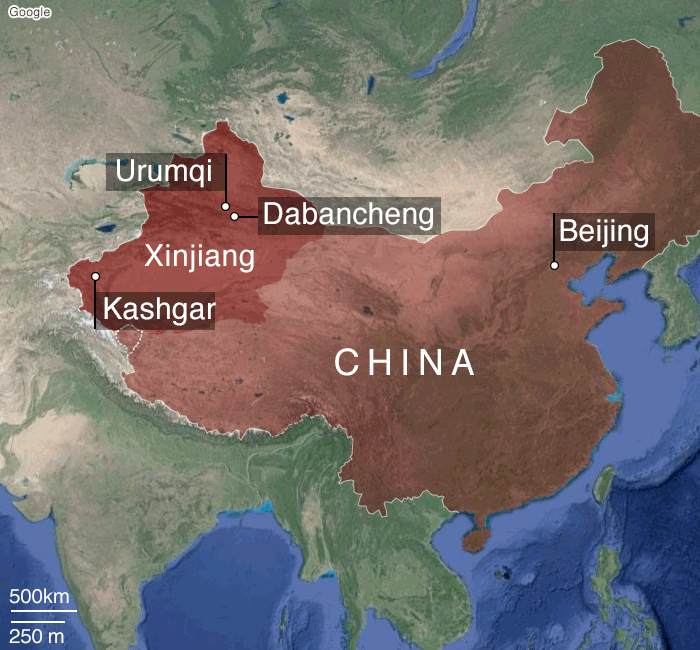
In a notable shift in diplomatic relations, China has removed sanctions imposed on serving British Members of Parliament and peers, marking a significant thaw following Prime Minister Keir Starmer's recent visit to Beijing. This development, confirmed by Starmer himself during his trip, represents a carefully calibrated move by Beijing as it seeks to manage its international relationships amid global tensions. The lifting of these restrictions comes after years of strained relations between the UK and China, particularly concerning human rights issues in Xinjiang province.

The original sanctions, imposed in March 2021, targeted nine British citizens including five Conservative MPs and two members of the House of Lords. According to The Guardian's reporting at the time, these individuals were sanctioned for their vocal criticism of China's treatment of the Uyghur Muslim minority in Xinjiang. The Chinese government described their statements as "lies and disinformation" about human rights abuses. The sanctions prohibited these individuals from entering China, Hong Kong, and Macau, froze any assets they held in China, and barred Chinese citizens and institutions from conducting business with them.
The Diplomatic Breakthrough
Prime Minister Starmer confirmed the lifting of sanctions during a series of broadcast interviews from China on Friday, January 30, 2026. "I know that the action taken in relation to our parliamentarians has been a real cause of concern, understandably so," Starmer stated. "And therefore I raised that issue whilst I was here, and the Chinese are absolutely clear in response: the restrictions no longer apply. President Xi said to me that that means all parliamentarians are welcome."
This development followed The Guardian's revelation last year that the Chinese government was reviewing these sanctions. The timing is particularly significant as it removes a major obstacle to potential future diplomatic engagements, including a possible UK visit by President Xi Jinping. Starmer himself suggested that Xi would be welcome when the UK hosts the G20 summit in 2027, noting that "China is a G20 country. So of course I'd like to see President Xi come around the G20."
Unresolved Issues and Parliamentary Response
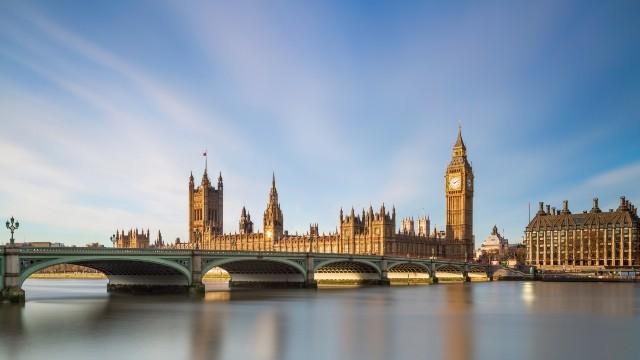
While the sanctions on serving parliamentarians have been lifted, significant questions remain about other individuals originally targeted. An academic, a barrister, and a former Conservative MP who were also sanctioned in 2021 appear to remain subject to the measures, possibly including their families. This selective approach has drawn criticism from those affected and human rights advocates.
The affected MPs and peers issued a joint statement before the move was confirmed, expressing their determination to continue speaking out against human rights abuses. "We would rather remain under sanction indefinitely than have our status used as a bargaining chip to justify lifting British sanctions on those officials responsible for the genocide in Xinjiang," they stated. "We would reject any deal that prioritises our personal convenience over the pursuit of justice for the Uyghur people."
Geopolitical Context and International Reactions
This diplomatic development occurs against a complex geopolitical backdrop. The Chinese sanctions were originally imposed in retaliation for UK sanctions on Chinese officials held responsible for atrocities in Xinjiang. It is understood that the UK will not be lifting its corresponding sanctions in return for China's action, maintaining its position on human rights concerns.
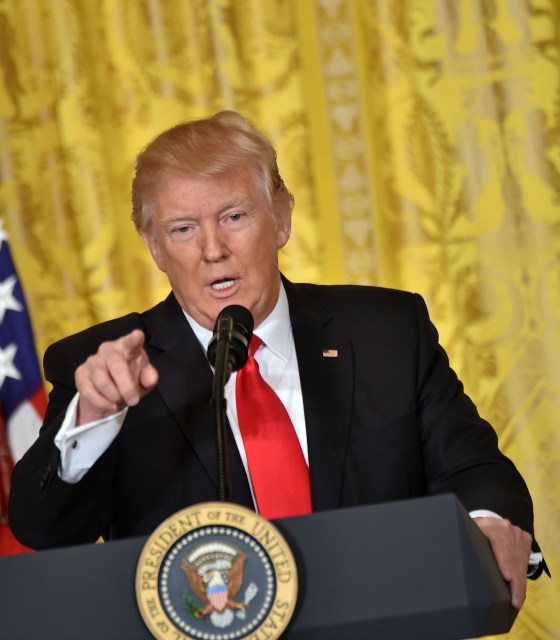
The timing also coincides with shifting international dynamics, particularly concerning U.S.-China relations. Former U.S. President Donald Trump commented on Starmer's visit, calling it "very dangerous" for the UK to engage in business with China. Starmer downplayed these remarks, suggesting Trump was "probably talking more about Canada than the United Kingdom." Trump is scheduled to visit China himself in April 2026, adding another layer to the complex diplomatic chessboard.
Broader Implications for UK-China Relations
The lifting of sanctions represents more than just a procedural change—it signals a potential recalibration of UK-China relations under the Starmer government. For years, these sanctions had become symbolic of the deteriorating relationship between the two countries, particularly following China's ban on British diplomats from parliament after a spying row.
China's action follows a similar pattern seen in its relations with the European Union. In April 2025, Beijing lifted sanctions on five Members of the European Parliament and the European Parliament's subcommittee on human rights, which were also imposed in 2021. These moves appear to be part of a broader Chinese charm offensive aimed at improving international ties and reviving trade discussions, particularly amid the economic uncertainty created by Trump's tariff policies.
Conclusion: A Delicate Balance
The lifting of sanctions on British parliamentarians represents a significant diplomatic development, but one that highlights the delicate balance the UK must maintain between engaging with China on economic and diplomatic fronts while upholding its commitment to human rights. While the immediate removal of restrictions on serving MPs and peers facilitates parliamentary engagement and removes a symbolic barrier to improved relations, the continued sanctions on other individuals and the UK's maintained sanctions on Chinese officials indicate that fundamental disagreements persist.
As Prime Minister Starmer noted, this development shows that "if you engage, you can raise the difficult issues." However, the affected parliamentarians' vow to continue speaking out against human rights abuses ensures that these difficult issues will remain part of the UK-China dialogue. The coming months will reveal whether this sanction lifting represents a genuine thaw in relations or merely a tactical adjustment in Beijing's ongoing efforts to manage its international relationships amid global geopolitical shifts.