Read on France 24
Pope Leo XIV's Pilgrimage to Algeria: Walking in the Footsteps of St. Augustine
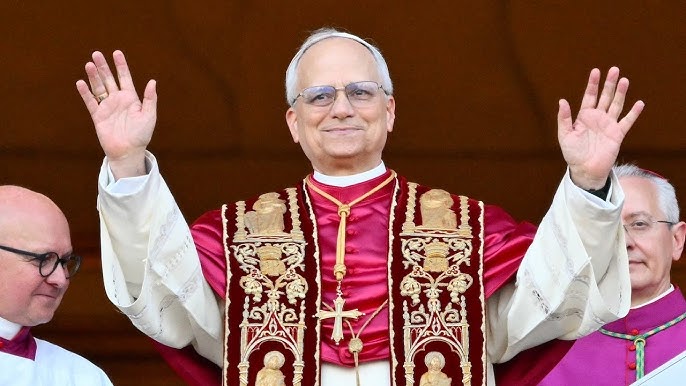
Pope Leo XIV's historic visit to Algeria has taken a deeply symbolic turn as he embarks on a pilgrimage to the archaeological sites associated with St. Augustine. On the second day of his journey, the Pope visited the ruins in eastern Algeria where the 5th-century theologian lived, died, and produced foundational works of Western Christian thought. This spiritual journey highlights the enduring legacy of early Church fathers and represents a significant moment in modern interfaith and cultural diplomacy.
Pope Leo XIV's ongoing visit to Algeria represents a profound moment of spiritual and historical reflection. The pontiff's journey to the North African nation has been marked by a deliberate pilgrimage to the roots of Western Christian thought, specifically tracing the life and work of St. Augustine of Hippo. This act connects the modern papacy with one of the most influential theologians in Christian history, whose writings continue to shape philosophical and theological discourse centuries after his death.
The Significance of the Algerian Pilgrimage
The Pope's decision to visit Algeria carries multiple layers of significance. Algeria, a predominantly Muslim nation, hosts sites of immense importance to Christian heritage. By making this pilgrimage, Pope Leo XIV is acknowledging this shared history and fostering a dialogue that transcends contemporary religious boundaries. The visit underscores the universal nature of spiritual heritage and the importance of preserving historical sites that belong to humanity's collective memory, as reported by France 24.
St. Augustine's Enduring Legacy in Algeria
St. Augustine, born in 354 AD in what is now Algeria, served as the Bishop of Hippo Regius. His prolific writings, including "Confessions" and "The City of God," established him as a foundational figure in Western Christianity and philosophy. The archaeological ruins in eastern Algeria that Pope Leo XIV visited are the very locations where Augustine lived, worked, and eventually died in 430 AD. These sites are not merely historical artifacts; they are tangible connections to the intellectual and spiritual ferment of the late Roman Empire.

A Modern Pontiff Connecting with Ancient Roots
Pope Leo XIV's pilgrimage is a powerful symbolic gesture. By literally walking in the footsteps of St. Augustine, he is emphasizing continuity within the Catholic tradition. It reinforces the idea that contemporary religious leadership is built upon the intellectual and spiritual foundations laid by early Church fathers. This act of veneration also serves to highlight the global and historical dimensions of the Catholic Church, reminding the faithful of its deep roots in North Africa.
The visit also has implications for interfaith relations. By honoring a Christian saint in a Muslim-majority country with the cooperation and welcome of Algerian authorities, the pilgrimage becomes a model of respectful coexistence. It demonstrates how different faith communities can jointly celebrate and protect aspects of their intertwined histories.
Conclusion: A Journey of Memory and Dialogue
Pope Leo XIV's second day in Algeria transcends a simple state visit. It is a pilgrimage of memory, connecting the 21st-century papacy with the 5th-century legacy of St. Augustine. This journey underscores the importance of historical consciousness in religious leadership and opens avenues for deeper cultural and interfaith understanding. As the Pope walks among the ancient ruins, he carries forward a dialogue between past and present, faith and reason, and different religious traditions, all centered on a shared reverence for a pivotal figure in human thought.