Read on nature.com
Ancient Trade Across the Andes: Live Parrots Transported Centuries Before the Inca Empire
New archaeological evidence reveals that ancient Peruvians were transporting live parrots across the formidable Andes Mountains centuries before the rise of the Inca Empire. Feathers from Amazonian macaws, found hundreds of kilometers from their native habitat at the site of Pachacamac, indicate sophisticated, long-distance trade networks for exotic goods. This discovery challenges previous assumptions about pre-Incan societies and highlights the cultural and economic importance of non-utilitarian items in ancient South America.
The discovery of vibrant red-and-green macaw feathers at the ancient Peruvian site of Pachacamac, located hundreds of kilometers from the Amazon rainforest, is rewriting our understanding of pre-Columbian trade. Published in Nature, this research provides compelling evidence that live parrots were being carried across the Andes mountain range long before the Inca Empire consolidated its power. This finding points to the existence of complex, long-distance exchange networks that valued exotic and symbolic goods, offering a new perspective on the social and economic dynamics of ancient Andean societies.

The Archaeological Evidence from Pachacamac
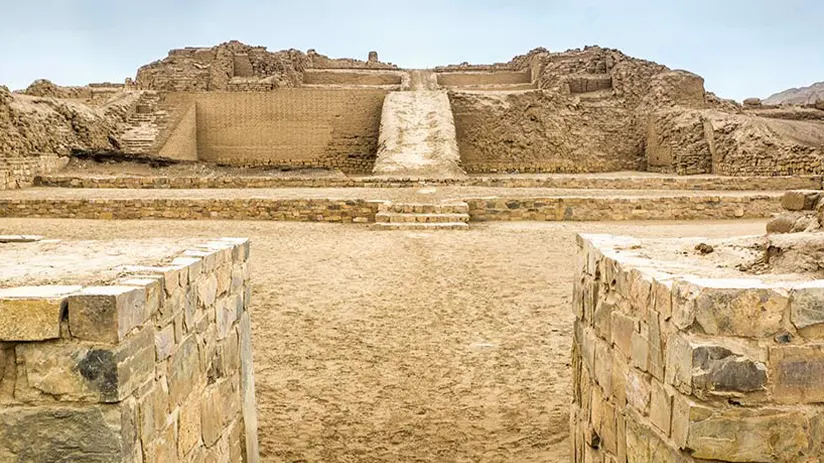
The key evidence comes from the archaeological site of Pachacamac, a major ceremonial center on the central coast of Peru. Researchers identified feathers belonging to the red-and-green macaw (Ara chloropterus), a species whose natural habitat is the Amazon rainforest, east of the Andes. The immense geographical distance—spanning hundreds of kilometers and involving a treacherous climb over one of the world's highest mountain ranges—strongly suggests these birds were transported alive. Transporting live animals, especially delicate tropical birds, indicates a highly organized and motivated trade operation, far more complex than the exchange of durable goods like pottery or metals.
Implications for Understanding Pre-Incan Societies
This discovery challenges the traditional timeline and narrative of Andean civilization. It demonstrates that sophisticated interregional networks were operational centuries before the Inca established their vast, state-controlled road system (Qhapaq Ñan). The trade in live parrots was likely driven by their immense cultural and symbolic value. Their vibrant feathers were prized for use in ceremonial attire, headdresses, and textiles, serving as powerful status symbols for elites and religious figures. The ability to procure and display such exotic items would have reinforced social hierarchies and political authority.
The Scale and Logistics of Ancient Trade
The logistics of this operation are staggering. Traders would have had to capture the parrots in the Amazon basin, then embark on a weeks-long journey across diverse and extreme ecosystems. They navigated from the humid lowlands, up steep mountain passes exceeding 4,000 meters in altitude where temperatures drop dramatically, and down to the arid coastal desert where Pachacamac is located. Keeping the birds alive, fed, and healthy during this journey required specialized knowledge and careful planning, hinting at a class of professional traders or dedicated state functionaries who managed this valuable commodity.
Cultural Significance of Exotic Goods
The importation of live parrots underscores that ancient economies were not solely focused on subsistence or utilitarian goods. There was a significant market for luxury items and symbols of power. The feathers of tropical birds held profound religious and cosmological significance, often associated with deities, the sky, and rain. By controlling the supply of these sacred materials, coastal centers like Pachacamac could enhance their religious prestige and attract pilgrims, cementing their role as a pan-regional ceremonial hub. This trade in symbolic capital was as crucial as trade in food or tools.
Conclusion
The transport of live parrots across the Andes is a vivid testament to the complexity and reach of pre-Incan societies in South America. It reveals a world connected by ambitious trade routes that moved not just commodities, but living symbols of status and faith. This finding, detailed in the research published by Nature, pushes back the date for established long-distance exchange in the region and highlights the deep cultural motivations that drove economic networks. It reminds us that the roots of Andean civilization and its interconnectedness run deeper and are more intricate than previously understood.