Read on Nature
How a 'Big-Push' Community Intervention Reduced Child Marriage by 80%
A groundbreaking study published in Nature reveals a community-based 'big-push' intervention that reduced child marriage rates by an unprecedented 80% in northern Nigeria. The Pathways to Choice program demonstrates how bundled interventions addressing multiple barriers simultaneously can transform entrenched social norms. This comprehensive approach, tested through a rigorous cluster-randomized trial, shows that meaningful change is possible even in regions where 80% of girls traditionally marry before age 18. The findings offer a powerful model for global efforts to end child marriage and its associated negative impacts on education, health, and economic opportunity.
The global challenge of child marriage affects approximately 12 million girls annually, with particularly high prevalence in regions like northern Nigeria where 80% of girls marry before age 18. Despite decades of efforts, most interventions have produced only marginal reductions of a few percentage points. However, a groundbreaking study published in Nature demonstrates that a comprehensive community-based approach can achieve transformative results, reducing child marriage rates by an astonishing 80%.

The Pathways to Choice Intervention
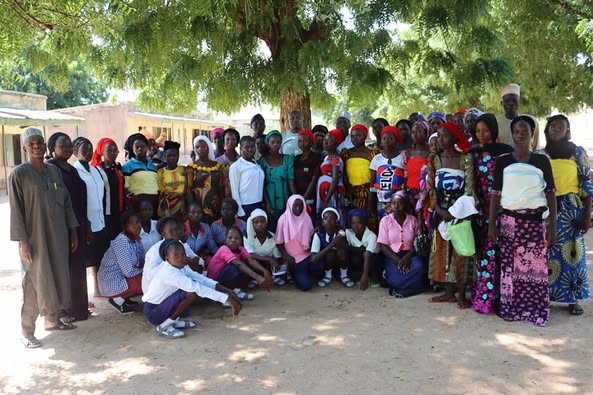
The Pathways to Choice program represents a 'big-push' approach that addresses child marriage through multiple simultaneous interventions rather than isolated solutions. Developed and implemented by the Centre for Girls Education in Abuja, Nigeria, the program was rigorously evaluated through a paired cluster-randomized trial across 18 communities. This methodology provides strong evidence for the intervention's effectiveness, as communities were randomly assigned to either receive the program or serve as control groups.
The intervention's success stems from its comprehensive nature. Rather than focusing on a single factor like education or economic incentives, Pathways to Choice combines multiple components that work synergistically. This bundled approach recognizes that child marriage persists due to interconnected social, economic, and cultural factors that require coordinated solutions. The program's design reflects an understanding that isolated interventions often fail to create lasting change because they don't address the complex web of influences that sustain the practice.
Transformative Results
The study's findings are remarkable by any measure. In control communities, 86% of adolescent girls married during the study period, consistent with regional norms. In treatment communities that received the Pathways to Choice intervention, this rate dropped to just 21%—representing an 80% reduction in child marriage. These results were measured two years after program implementation, suggesting meaningful and sustained behavioral change rather than temporary compliance.
What makes these findings particularly significant is their magnitude compared to previous interventions. Most child marriage reduction programs achieve impacts of only a few percentage points, making the 80% reduction unprecedented in the field. The study's rigorous methodology, including careful attention to potential biases like enumerator demand effects, strengthens confidence in these results. The researchers conducted sensitivity analyses to ensure their findings weren't artificially inflated by measurement issues, and the effects remained robust across different analytical approaches.
Beyond Education: The Whole-Community Approach
While education played a significant role in the intervention's success—with girls in treatment communities showing substantially higher rates of school re-enrollment—the researchers found that education alone cannot explain the dramatic reduction in child marriage. This insight challenges conventional wisdom that simply keeping girls in school will automatically delay marriage. Instead, the Pathways program's effectiveness stems from its whole-community focus, which reduces the likelihood of social backlash and creates an environment supportive of changed norms.
The program's community-based approach recognizes that child marriage decisions involve multiple stakeholders: girls themselves, their parents, community leaders, and peers. By engaging all these groups simultaneously, the intervention addresses both individual choices and social pressures. This comprehensive strategy appears crucial for overcoming the collective action problems that often undermine narrower interventions. When only some community members change their behavior while others maintain traditional practices, social pressure can quickly reverse progress.

Implications for Global Policy
The Pathways to Choice study offers several important lessons for global efforts to end child marriage. First, it demonstrates that transformative change is possible even in regions with deeply entrenched practices. Second, it suggests that bundled interventions may create synergistic effects greater than the sum of their parts—what economists call 'superadditivity.' Third, it highlights the importance of community engagement and norm change alongside individual-level interventions.
These findings come at a critical time for global development policy. With the Sustainable Development Goals targeting an end to child marriage by 2030, there's urgent need for evidence-based approaches that can accelerate progress. The Pathways model provides a promising template that could be adapted to different cultural contexts while maintaining its core principles of comprehensiveness and community engagement. The study's availability through Nature's publication ensures that policymakers worldwide can access and learn from this evidence.
The economic implications are also significant. Child marriage carries substantial costs for individuals and societies, including reduced educational attainment, poorer health outcomes, and limited economic participation. By demonstrating an effective intervention, the Pathways study provides not just a moral imperative but an economic rationale for investing in comprehensive approaches to ending child marriage. The program's success suggests that such investments can yield high returns in terms of human capital development and economic growth.
Conclusion
The Pathways to Choice intervention represents a breakthrough in the fight against child marriage. Its 80% reduction rate demonstrates that comprehensive, community-based approaches can transform even the most entrenched social norms. By addressing multiple barriers simultaneously and engaging entire communities in the change process, this 'big-push' model offers a powerful alternative to piecemeal interventions that have produced only marginal results.
As global efforts to end child marriage continue, the lessons from northern Nigeria provide both hope and direction. The success of Pathways to Choice suggests that with the right combination of interventions and community engagement, rapid progress is possible. This evidence should inform policy decisions and program design worldwide, offering a proven model for creating meaningful change in the lives of millions of girls. The study's findings, rigorously documented and openly available, provide a valuable resource for anyone committed to ending child marriage and its associated harms.