Read on the Guardian
Romania's Road Safety Crisis: A Slow Journey Toward Safer Streets
Romania faces a critical road safety challenge, holding the unfortunate title of the EU's deadliest roads. With a fatality rate of 78 people per million in 2024 and nearly half of the 1,500 annual deaths being vulnerable road users like pedestrians and cyclists, the country is at a crossroads. While the government has initiated its first serious crackdown on dangerous driving—defining aggressive behavior in law, increasing penalties, and rolling out speed cameras—progress remains frustratingly slow. This article examines the complex interplay of poor infrastructure, weak law enforcement, an aggressive driving culture, and an aging vehicle fleet that perpetuates the crisis, and explores whether recent measures can stem the tide of preventable deaths.
Romania stands at a critical juncture in its battle against road fatalities, grappling with a reputation as home to the European Union's most dangerous roads. The human cost is staggering: 78 people per million died in traffic in 2024, a rate that overshadows its EU neighbors. This translates to approximately 1,500 lives lost annually, with nearly half being the most vulnerable—pedestrians and cyclists. While the Romanian government has, for the first time, taken substantive legislative and technological steps to address this epidemic, the pace of change is a source of profound frustration for safety campaigners and citizens alike. The journey toward safer streets is underway, but it is a path fraught with deep-seated cultural, infrastructural, and economic challenges.

The Scale of the Crisis
The statistics paint a grim picture of Romania's road safety landscape. According to data referenced in The Guardian, the country's roads are the deadliest in the EU. The 1,500 annual fatalities represent a devastating toll on communities, with vulnerable road users bearing a disproportionate burden. This crisis is not an isolated phenomenon but a symptom of systemic failures. A combination of factors—including notoriously poor road infrastructure, inconsistent law enforcement, and a normalized culture of aggressive driving—creates a perfect storm for accidents. The problem is compounded in rural areas, where the lack of safe pedestrian crossings and pavements contributes to a fatality rate double that of urban zones.
Government Steps and Legislative Action
In response to mounting public frustration, the Romanian government has initiated its most serious intervention to date. Key measures include legally defining aggressive driving behaviors such as tailgating and intimidation, significantly increasing penalties for dangerous driving, and deploying a network of automated speed cameras and violation detection systems. These actions mark a departure from past inaction and represent a foundational shift in policy. Alexandru Ciuncan, president of the Coalition for Road Safety (RSC), acknowledged this progress, stating, "Things are moving... Not with the speed that we want, but we’re glad that something is happening now." Early data suggests a marginal impact, with a slight decrease in the daily death rate in 2024 and reported declines in deaths and serious injuries in 2025.

Persistent Structural and Cultural Hurdles
Despite these steps, profound obstacles remain. The European Commission issued a formal notice to Romania in October for failing to properly implement the EU's road safety directive, highlighting ongoing governance gaps. Campaigners point to a deeply ingrained "selfish" driving culture that will take more than a decade to change. The vehicle fleet itself poses a dual threat to safety and public health. Bucharest, the EU's second-most polluted capital, suffers from air pollution that is 60% traffic-related. This is exacerbated by an abundance of old, imported vehicles—often diesel-powered—that lack modern safety features like electronic stability control and advanced airbags. Raul Cazan of the environmental nonprofit 2Celsius notes, "You’re not only importing pollution from the west, you’re also importing danger."
The SUV Factor and Future Challenges
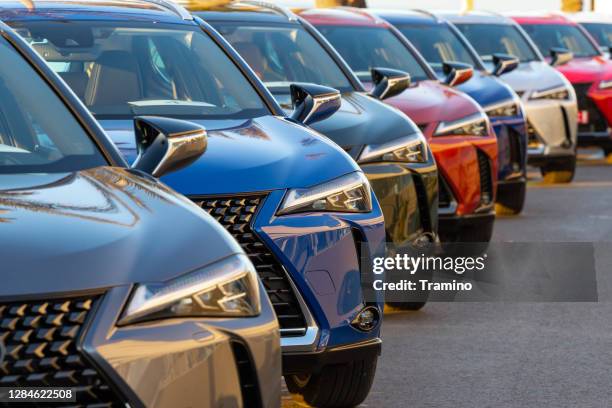
An emerging concern is the rising popularity of Sport Utility Vehicles (SUVs), which now constitute about half of new car registrations in Romania. While newer vehicles generally improve safety, the specific design of SUVs introduces new risks. Their increased mass, higher bonnets (which impair a driver's vision of pedestrians and cyclists), and greater width can increase injury severity and the likelihood of certain crashes. James Nix from Transport & Environment warns, "All other things being equal, ever-bigger cars reduce safety for all other road users." This trend threatens to offset the benefits gained from a modernizing vehicle fleet and poses a significant challenge to protecting vulnerable road users.
A Path Forward
The road to safety in Romania is long and requires a sustained, multi-faceted approach. Enforcement of new laws must be rigorous and consistent to alter driver behavior. Investment in infrastructure—especially safe crossings, pavements, and separated cycling lanes in both urban and rural areas—is non-negotiable. Public awareness campaigns, like the country's first road safety week held in May, are crucial for shifting the cultural mindset. As Lucian Mîndruță, a journalist who survived multiple crashes, reflects, being a conscientious driver is rewarding for one's "health or your soul." The government's initial steps are a necessary beginning, but transforming the EU's deadliest roads into safe passages will demand unwavering political will, substantial investment, and a collective societal commitment to valuing every life on the road.