Gas Explosion in Karachi Kills 16, Highlights Systemic Safety Failures
A devastating gas explosion has collapsed an apartment building in Karachi, Pakistan, killing at least 16 people including women and children. The tragedy occurred during the first pre-dawn meal of Ramadan, as rescue teams continue searching for survivors in the rubble. This incident underscores persistent safety issues with gas supply systems and building regulations in Pakistan's urban centers, echoing similar fatal explosions in recent months.
A catastrophic gas explosion tore through a residential apartment building in Karachi, Pakistan, on Thursday, February 19, 2026, killing at least 16 people and injuring several others. The blast caused a partial structural collapse in a residential neighborhood of the city, the capital of southern Sindh province, during a time when families were gathered for a pre-dawn meal marking the beginning of the Muslim holy month of Ramadan. As reported by Al Jazeera, local police chief Rizwan Patel confirmed that rescue operations are ongoing, with teams working to clear debris and search for any potential survivors trapped beneath the wreckage.

The Immediate Aftermath and Rescue Efforts
The explosion's force was sufficient to cause a significant portion of the multi-story building to give way, burying residents under tons of concrete and steel. Police and rescue officials were quickly dispatched to the scene. The search-and-rescue operation, described as ongoing by authorities, involves specialized teams meticulously removing rubble in a race against time. The complexity of such operations is immense, requiring careful work to avoid further collapses while attempting to locate signs of life. The community's shock is palpable, with the tragedy striking at a sacred time intended for reflection and family.
Underlying Causes: A Persistent National Safety Crisis
This tragedy is not an isolated incident but rather a symptom of systemic infrastructure and safety failures. Most homes and apartments in Karachi, and across Pakistan, rely on piped natural gas for cooking. However, the system is plagued by inconsistent supply and low pressure. This unreliability forces a vast number of households to use liquefied petroleum gas (LPG) cylinders as a backup. These cylinders, often stored indoors, significantly increase the risk of dangerous leaks and subsequent explosions if not properly maintained or if faulty equipment is used. The combination of aging pipelines, unregulated cylinder use, and often substandard building materials creates a perfect storm for disaster.

A Pattern of Preventable Tragedies
The Karachi explosion follows a deadly pattern seen elsewhere in the country. In July of the previous year, a gas explosion at a wedding reception in the capital, Islamabad, killed eight people, including the newly married bride and groom. That blast occurred as guests celebrated the couple, turning a moment of joy into unimaginable loss. These repeated incidents point to a national crisis in gas safety enforcement and public awareness. Each event follows a similar narrative: a gas leak, often from a cylinder or faulty connection, meets an ignition source within a confined residential space, resulting in lethal force.
Official Response and Calls for Action
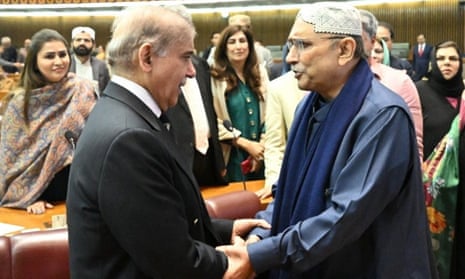
In the wake of the Karachi disaster, Pakistan's President Asif Ali Zardari expressed profound grief and offered condolences to the victims' families. He issued directives for authorities to ensure the injured receive optimal medical care and for rescue efforts to be completed without delay. More significantly, President Zardari called on the provincial government of Sindh to strictly enforce existing building regulations and codes, which are often ignored during construction. He also urged a comprehensive inspection of gas cylinders, strengthened safety checks across the supply chain, and a thorough investigation to determine the exact cause and prevent future occurrences.
The Path Forward: Regulation and Public Awareness
Preventing future catastrophes requires a multi-pronged approach. First, provincial and municipal authorities must rigorously audit building safety and construction standards, ensuring structures can withstand such incidents. Second, the national gas utility and regulatory bodies need to overhaul the supply system to provide consistent, safe pressure and mandate regular inspections of both pipelines and household connections. Third, a public safety campaign is urgently needed to educate citizens on the proper handling, storage, and maintenance of LPG cylinders, including the dangers of leaks and the importance of using certified equipment. Without these concerted efforts, communities remain vulnerable to the next spark.
The rubble in Karachi will eventually be cleared, and the rescue operation will conclude. However, the legacy of this explosion must be a sustained national commitment to safety. The deaths of 16 people, including women and children, during a holy month is a stark reminder that infrastructure neglect has human consequences. It is imperative that the investigation leads not just to answers, but to actionable reform that protects citizens in their homes. The true measure of response will be whether such a tragedy can be prevented from happening again.