Read on the Guardian
Thai Police Use Lion Dance Disguise in Unconventional Arrest of Artefact Thief
In a remarkable and unconventional operation, Thai police officers disguised themselves as lion dancers during Lunar New Year celebrations to apprehend a suspect accused of stealing approximately $64,000 worth of Buddhist artefacts. The arrest, executed in a Bangkok suburb, highlights a creative approach to law enforcement that blended cultural tradition with police work. This article examines the details of the operation, the value of the stolen items, and the broader context of such unique tactics in modern policing.
In an operation that reads more like a scene from an action-comedy film than a standard police report, officers in Thailand recently employed a highly creative and culturally astute tactic to apprehend a burglary suspect. The case involved the theft of valuable Buddhist artefacts, and with traditional surveillance yielding few leads, the police devised a plan that capitalized on a major cultural event: the Lunar New Year celebrations. By disguising themselves as performers in a lion dance—a traditional spectacle meant to bring good luck and ward off evil spirits—the officers successfully closed in on and arrested the 33-year-old suspect. This incident not only underscores the lengths to which law enforcement will go to solve a crime but also offers a fascinating case study in the intersection of cultural tradition and modern police work.
The Case: A High-Value Burglary of Buddhist Artefacts
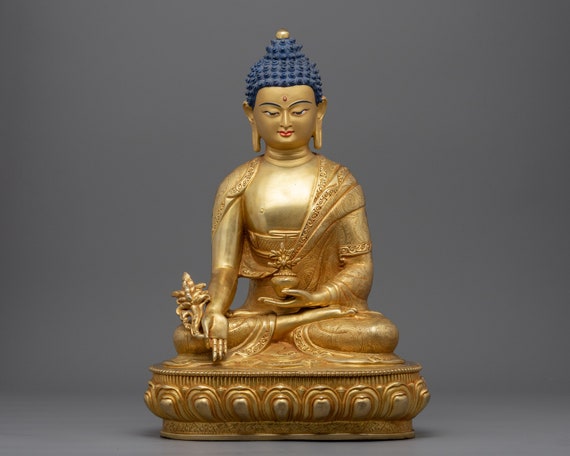
The operation was launched in response to a home burglary reported earlier in the month in a suburb of Bangkok. According to the police report detailed by The Guardian, the break-in was significant, involving the theft of numerous sacred Buddhist objects. Among the items taken were two 12-inch Buddha statues, and there were signs that the perpetrator had made repeated attempts to gain entry to the property. The total estimated value of the stolen artefacts was placed at around 2 million Thai Baht, equivalent to approximately $64,000 or £47,500. With such culturally sensitive and valuable items at stake, pressure was on the police to recover them and apprehend the thief.
The Unconventional Tactic: Blending into the Celebration
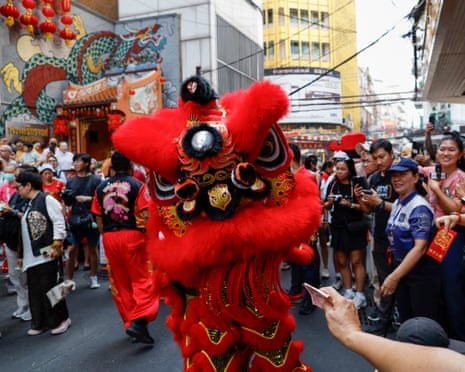
Faced with limited leads after weeks of surveillance, officers from the Bangkok police force conceived an unusual strategy. The Lunar New Year, a major festival celebrated by communities across Asia and in Thailand, was approaching. A key feature of these celebrations is the lion dance, a vibrant performance meant to usher in prosperity and good fortune for the new year. Police decided to join a lion dance procession that was scheduled at a Buddhist temple near the area of interest. Dressed in a elaborate red-and-yellow lion costume, the undercover officers seamlessly integrated into the festive atmosphere. As reported, they used the cover of the dance to gradually move closer to their target without raising suspicion.

The Arrest: A Sudden Strike from the Costume
The arrest itself was as dramatic as the setup. Video footage released by the authorities shows the brightly coloured lion dancers performing and moving through the crowd. At the critical moment, an officer suddenly emerged from the head of the lion costume. With assistance from colleagues who were also part of the dance troupe or nearby in plain clothes, they swiftly wrestled the suspect to the ground. The 33-year-old man, who police stated had a prior criminal record involving drug offences and theft, was taken into custody on Wednesday evening. The operation demonstrated precise coordination and timing, turning a cultural performance into an effective law enforcement tool.
Analysis and Implications of Creative Policing
This incident raises interesting points about modern policing methods. While stings and undercover operations are standard tools, the specific use of a deep cultural disguise is notably inventive. It shows an understanding of local context and an ability to adapt police work to the social environment. Such methods can be highly effective in crowded, celebratory settings where traditional police presence might cause a suspect to flee or alert accomplices. However, they also require extensive planning, cultural sensitivity, and training to execute safely without disrupting the public event or causing panic. The successful recovery of high-value religious artefacts also highlights the importance police placed on resolving a crime that affected cultural heritage.
Conclusion
The arrest of a suspected artefact thief by lion-dancing police officers is more than just an unusual news story; it is a testament to adaptive and context-aware law enforcement. By leveraging the cover of a major cultural festival, the Bangkok police managed to apprehend a suspect where conventional methods had stalled. This operation successfully blended tradition with police work, leading to the arrest of an individual with a criminal history and the potential recovery of sacred items. It serves as a compelling reminder of the creativity that can be employed in the pursuit of justice, ensuring that criminals can be caught even when they hide in plain sight during the biggest celebrations.