IC7Fc: A Diabetes Drug's Surprising New Role in Fighting Heart Disease
New preclinical research reveals that the experimental drug IC7Fc, initially developed for type 2 diabetes, shows significant promise in combating heart disease. The study demonstrates the drug's ability to lower cholesterol, reduce artery-clogging plaques, and calm inflammation—key drivers of cardiovascular events. Notably, these protective effects were observed even in the absence of weight loss, suggesting potential benefits for lean individuals at risk. This discovery opens the door for a novel, dual-action therapeutic approach to metabolic and cardiovascular health.
Heart disease remains the leading cause of death globally, a grim statistic driven largely by atherosclerosis—the progressive buildup of fatty plaques in arteries. While current treatments focus on lowering cholesterol and blood pressure, a significant portion of the population remains at high risk, underscoring the urgent need for novel therapeutic strategies. In a surprising turn, new research points to a potential ally from an unexpected source: a drug originally investigated for diabetes. Preclinical findings published in Science Advances suggest the experimental drug IC7Fc may offer a powerful new weapon against cardiovascular disease by targeting its root causes in a unique way.

The Dual-Promise of IC7Fc
The story of IC7Fc begins in the realm of metabolic disease. As detailed in research from Monash University and Leiden University Medical Centre, the drug was initially studied for its potential to manage type 2 diabetes, a condition closely linked to obesity and insulin resistance. However, the latest investigation, led by Professor Mark Febbraio of the Monash Institute of Pharmaceutical Sciences (MIPS), has shifted focus to the cardiovascular system. The international team discovered that IC7Fc operates on multiple fronts critical to heart health.
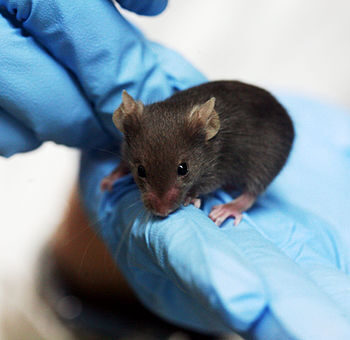
In mouse models genetically prone to heart disease, the drug demonstrated a remarkable ability to significantly reduce blood levels of triglycerides (a type of fat) and cholesterol. More importantly, it directly limited the accumulation of the fatty, inflammatory plaques that narrow and harden arteries—the process of atherosclerosis. By calming the associated inflammation, a key trigger for heart attacks and strokes, IC7Fc addresses two central pathological drivers simultaneously.
A Benefit Beyond Weight Loss
One of the most intriguing aspects of this research is the dissociation of cardiovascular benefits from weight loss. Previous studies in obese mice showed that IC7Fc could reduce appetite and body fat. In contrast, this new study utilized lean mice that were nonetheless susceptible to high cholesterol and artery disease. In these animals, the drug conferred its protective effects on cholesterol and plaques without altering body weight or food intake.

This distinction is clinically significant. It suggests the drug's mechanism for protecting the heart is independent of its weight-management properties. Consequently, IC7Fc could potentially help a broader patient population, including individuals who are at cardiovascular risk but are not overweight—a group often overlooked in metabolic-focused therapies. As Professor Febbraio noted, this positions IC7Fc as a flexible agent capable of addressing multiple health risks across different patient profiles.
Implications for Future Treatment
The preclinical evidence positions IC7Fc as a candidate for a dual-action treatment paradigm. For patients with obesity and type 2 diabetes, it may help manage weight and metabolic dysfunction. For lean patients with familial hypercholesterolemia or other inherited risks for heart disease, it could offer direct protection against artery damage. This multifaceted approach is exciting because it targets the interconnected nature of metabolic and cardiovascular diseases, which often coexist and exacerbate each other.
However, it is crucial to emphasize that these findings, while promising, are derived from animal models. The critical next step is rigorous testing in human clinical trials to confirm efficacy and safety. The path from a preclinical study in mice to an approved medication for patients is long and requires substantial validation. Nonetheless, this research, published in Science Advances, provides a strong scientific rationale for pursuing those trials.
Conclusion
The discovery that IC7Fc can combat heart disease represents a compelling example of drug repurposing and a significant advance in cardiovascular research. By lowering cholesterol, reducing atherosclerotic plaques, and suppressing harmful inflammation—even in the absence of weight loss—this experimental therapy challenges conventional approaches. It highlights the deep biological links between metabolism and heart health and opens a promising avenue for preventing the world's biggest killer. As scientists await future human trials, IC7Fc stands as a beacon of hope for a new generation of smarter, more comprehensive cardiovascular medicines.