Cyclone Gezani Ravages Madagascar: Building Collapses Claim Lives
Cyclone Gezani has struck Madagascar, resulting in at least 20 confirmed fatalities. Authorities report that structural failures and building collapses are a primary cause of the death toll, highlighting vulnerabilities in infrastructure. This short report details the immediate impact of the cyclone and the ongoing response efforts on the island nation.
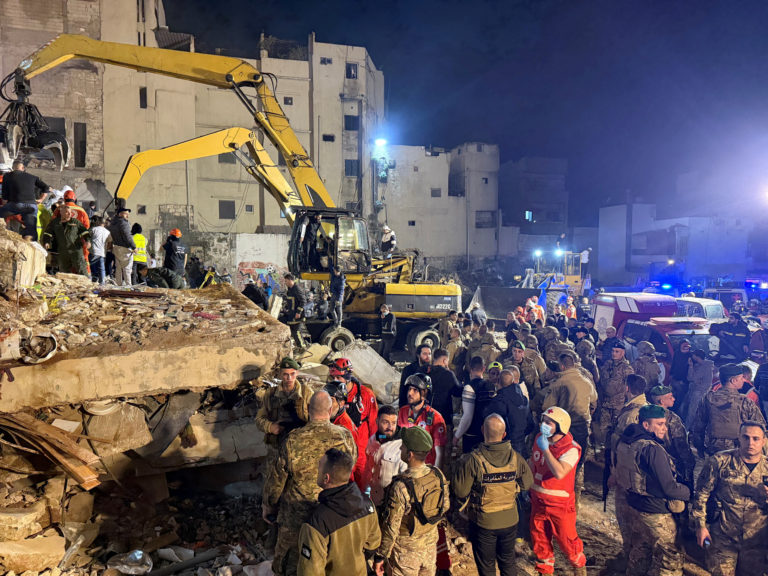
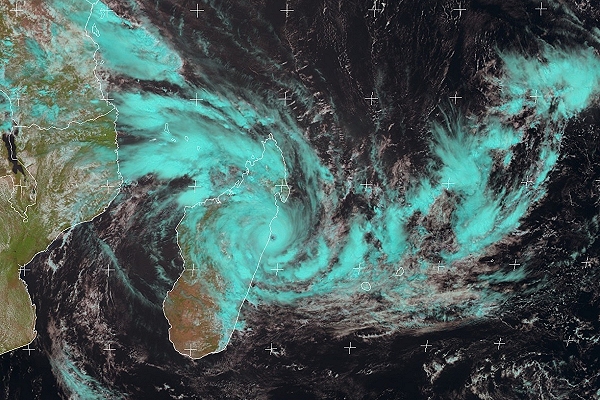
The powerful Cyclone Gezani made landfall in Madagascar, unleashing destructive winds and heavy rainfall that have led to a confirmed death toll of at least 20 people. According to official statements from Malagasy authorities, a significant number of these fatalities are directly attributed to the collapse of buildings and other structures, underscoring the severe physical impact of the storm beyond its meteorological force. The event has triggered emergency response operations across affected regions.

Official Assessment of the Disaster
Madagascar's disaster management officials have been quick to assess the initial damage. Their primary finding, as reported by sources including Al Jazeera, identifies building collapses as a major contributor to the loss of life. This points to vulnerabilities in construction standards, building materials, or the location of structures in flood-prone or landslide-risk areas. The confirmed death toll of 20 is expected to be a preliminary figure, with assessments ongoing in remote and cut-off communities.
Implications and Response
The pattern of deaths highlights a critical intersection of natural disaster and human infrastructure. Cyclones test the resilience of buildings, and in this instance, many structures failed. The immediate response focuses on search and rescue operations to find survivors trapped in rubble, providing emergency shelter for those displaced, and restoring essential services. International aid agencies are likely mobilizing to support the national response, given Madagascar's frequent exposure to such climatic events.
Broader Context for Madagascar
Madagascar is no stranger to tropical cyclones, which regularly form in the Indian Ocean basin. The island's unique biodiversity and socioeconomic challenges make it particularly susceptible to the impacts of such storms. Events like Cyclone Gezani exacerbate existing issues of poverty, food insecurity, and access to healthcare. Rebuilding efforts will need to consider more resilient construction techniques to mitigate fatalities in future storms, a challenge that requires both national policy and international support.
In conclusion, the tragedy of Cyclone Gezani in Madagascar, with its death toll heavily linked to building collapses, serves as a stark reminder of the tangible human cost of extreme weather. It underscores the urgent need for investment in disaster-resilient infrastructure and robust early warning systems. As the country begins the arduous process of recovery, the global community's attention and assistance will be crucial in helping affected communities rebuild and prepare for the next inevitable storm.