Read on the Guardian
A Community in Shock: Tumbler Ridge Grapples with Canada's Deadliest School Shooting in Years
The remote coalmining community of Tumbler Ridge, British Columbia, is reeling from a devastating mass shooting at its secondary school that left 10 people dead, including six children and a teacher. As one of Canada's deadliest mass killings since 2020, the attack has shattered the small town of 2,700 residents and sent shockwaves across the nation. This article examines the immediate response, the profound community impact, and the long road to healing that lies ahead for a tight-knit population struggling to comprehend an unimaginable tragedy.
The serene foothills of the Rocky Mountains in northern British Columbia became the epicenter of national grief on a Tuesday morning in February 2026, when an active shooter alarm shattered the daily routine of Tumbler Ridge. What unfolded at Tumbler Ridge Secondary School represents one of Canada's deadliest mass shootings in recent memory, leaving a remote community and an entire nation struggling to comprehend the scale of the loss. The attack, which claimed 10 lives including six children, has exposed both the vulnerabilities of small-town infrastructure and the remarkable resilience of communities facing unimaginable tragedy.
The Attack and Immediate Response
Within moments of receiving reports of a shooter nearby, Principal Stacie Gruntman initiated the lockdown procedures that educators across North America are increasingly trained to execute. According to accounts from The Guardian's coverage, Gruntman rushed through the small school checking classroom doors while teachers huddled with terrified students in darkened rooms. For grade 12 student Darian Quist and his classmates, the reality of the situation only set in when "disturbing" photos began circulating from other parts of the building, prompting them to barricade doors with tables as loud bangs echoed through the corridors.
The response from Tumbler Ridge's limited police force—comprising just three vehicles—was remarkably swift, with officers arriving within five minutes and reportedly coming under fire as they approached the school. This rapid intervention is credited with preventing further casualties, though by that time six victims had already been killed at the school: a 39-year-old teacher, three 12-year-old girls, and two boys aged 12 and 13. The suspected shooter, 18-year-old Jesse Van Rootselaar, was also found dead, while her mother and an 11-year-old sibling were discovered deceased at a nearby home.
Community Impact and National Grief
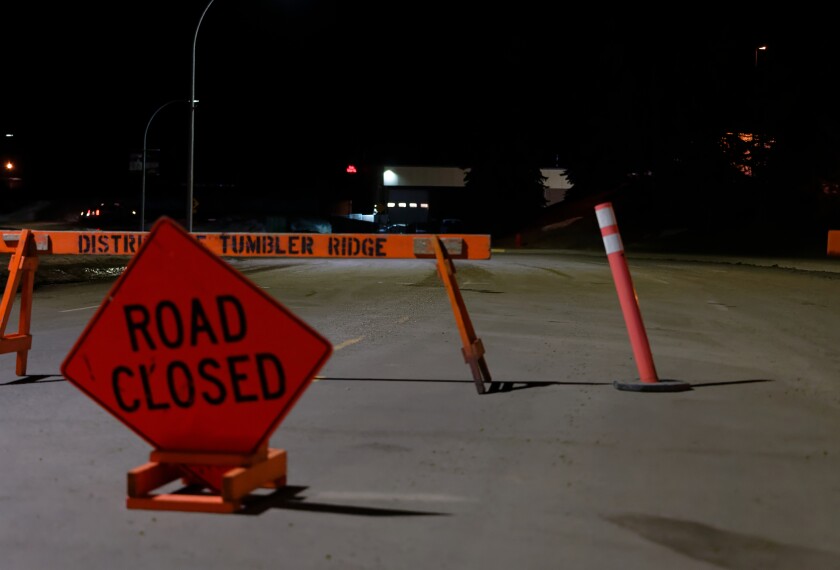
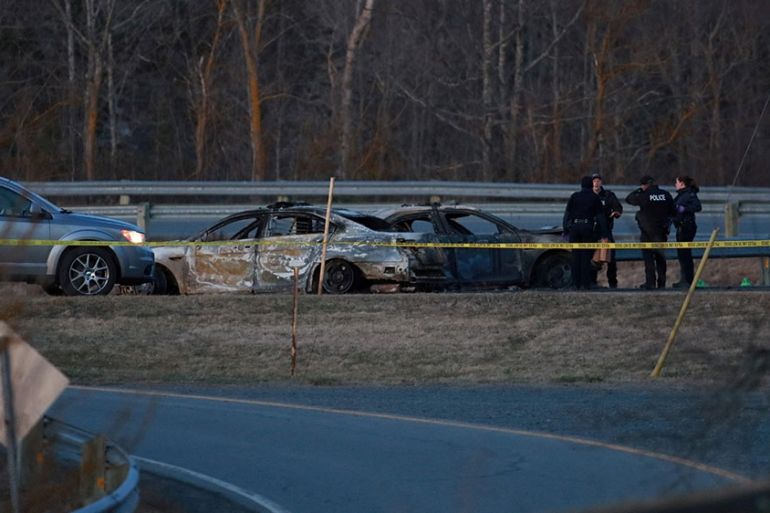
Tumbler Ridge, a remote coalmining community of approximately 2,700 residents, has been described by Mayor Darryl Krakowka as a "big family" where everyone knows everyone. This intimacy magnified the tragedy, with Krakowka noting he "probably know[s] every one of the victims" after living there for 18 years. The morning after the shooting, both schools in the mountain village remained closed, roads were blocked with police tape, and dozens of officers flown in from other parts of British Columbia continued their investigation.
The emotional toll was immediate and profound. Reverend George Rowe of the Tumbler Ridge Fellowship Baptist Church, who once taught at the high school, described the scene at the recreation center where victims' families awaited information as "not a pretty sight." Town Councillor Chris Norbury, whose wife teaches at the school, expressed the collective trauma: "Like many in our community, I felt the fear, the kind that sits in your heart and soul that doesn't let go."
Political Response and National Mourning
The shooting prompted emotional responses from political leaders across Canada. Prime Minister Mark Carney, who spent his early years in a small western Canadian town, addressed the nation visibly shaken, stating that Tumbler Ridge was bracing for a "very difficult" day. "Parents, grandparents, sisters, brothers in Tumbler Ridge will wake up without someone they love. The nation mourns with you; Canada stands by you," Carney said before announcing flags would be lowered to half-mast at government buildings.
Conservative opposition leader Pierre Poilievre echoed the national sentiment, stating, "As a father, I can't even imagine the phone calls that parents might have received. I can't imagine the heartache and hell that they're living through at this moment." The BC Assembly of First Nations issued a statement expressing "profound sorrow" over the "tragic loss of life," noting the violence "will leave a deep and lasting wound not only in this community but in all of us living in BC and across Canada."

The Path Forward for Tumbler Ridge
In the immediate aftermath, the school district announced both Tumbler Ridge schools would remain closed for the rest of the week, acknowledging in a statement that "there is no timeline for how each of us will process this grief and immense loss, both individually and as a community." The statement emphasized that "while words often feel inadequate in the face of such loss, coming together can help reduce isolation and remind us that we are not alone."
Community members immediately began focusing on mental health support for survivors. Parent Rhen-Rhen Reyes Ceredon, whose son endured the lockdown, urged fellow parents on social media to "talk to our children for their mental health, what they feel, and what's going on in their lives." She emphasized the need to "comfort them and let them feel that you are always there for them" as they process a trauma that "will always be in their mind."
Trent Ernst, publisher of the local Tumbler RidgeLines newspaper and a former substitute teacher at the school, reflected the community's shock: "As somebody who has worked there, who knows the people there, and who knows a lot of the kids, this is really hitting me hard. This is hitting the community hard." His advice to residents captured the essence of small-town resilience: "Stay safe, be warm, love your neighbours, love your family."
The Tumbler Ridge tragedy represents Canada's deadliest mass killing since the 2020 Nova Scotia attacks that left 22 dead, raising difficult questions about community safety, mental health resources in remote areas, and how a nation processes collective grief. As the community begins the long journey toward healing, the words of provincial lawmaker Larry Neufeld resonate with particular poignancy: "There are no words in the English language that capture the horror of what happened." Yet in the face of this horror, the people of Tumbler Ridge—and Canadians across the country—are finding ways to support one another through what promises to be a profoundly challenging period of recovery and remembrance.