Read on France 24
France Moves to Ban Social Media for Under-15s and Mobile Phones in High Schools
French lawmakers are poised to pass groundbreaking legislation that would prohibit social media access for children under 15 and extend mobile phone bans to high schools. Championed by President Emmanuel Macron, the law aims to protect children's mental health and development from the harmful effects of excessive screen time. If approved, the measures could take effect from the start of the 2026 school year, positioning France as a European pioneer in digital child protection. The bill follows similar moves by Australia and reflects growing global concern about social media's impact on youth.
In a significant move to safeguard children's wellbeing in the digital age, French lawmakers are preparing to enact one of Europe's most comprehensive youth protection laws. The proposed legislation, which targets both social media platforms and mobile device usage in educational settings, represents a decisive governmental response to mounting evidence about technology's negative impacts on developing minds. As nations worldwide grapple with balancing technological advancement with child welfare, France's approach could establish new standards for digital responsibility.

The Proposed Legislation: Key Provisions and Timeline
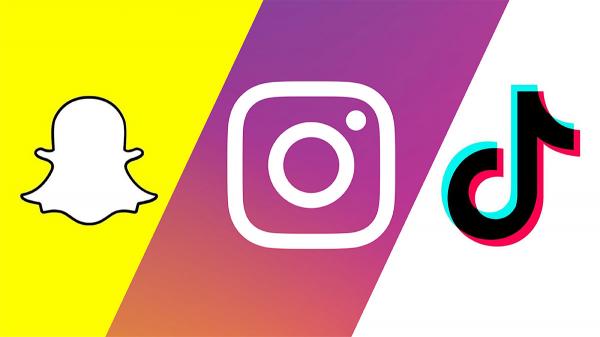
The draft law contains two primary components designed to create safer digital environments for French youth. First, it would prohibit minors under the age of 15 from accessing social networking services provided by online platforms. This ban specifically targets services like TikTok, Snapchat, and Instagram, which French health authorities have identified as particularly problematic for adolescent development. Second, the legislation extends existing mobile phone restrictions to high schools, building upon a 2018 law that already banned phone usage in middle schools for children aged 11-15.
According to parliamentary procedures outlined by France 24, the bill was scheduled for examination in the National Assembly on Monday afternoon. Barring unexpected opposition, the lower house is expected to approve the legislation, after which it will proceed to the Senate for further consideration. Former Prime Minister Gabriel Attal, who leads lawmakers from President Macron's Renaissance party, expressed optimism about the legislative timeline, suggesting the Senate could pass the bill by mid-February.
Implementation and Enforcement Mechanisms
If passed, the social media ban would be implemented in two phases to allow for proper technical preparation. New accounts created after September 1, 2026, would immediately be subject to the age restriction. Existing accounts belonging to under-15s would need to be deactivated by social media platforms by December 31, 2026, giving companies several months to implement age verification systems and notify affected users.
The practical enforcement of these measures depends heavily on effective age verification technology, which remains a significant challenge for digital platforms. French authorities acknowledge that work on such systems is ongoing at the European level, suggesting that France's legislation may align with broader EU digital policy developments. The bill specifically excludes educational resources like online encyclopedias and directories from the ban, recognizing the legitimate educational value of certain digital tools.

Rationale and Health Concerns
The driving force behind this legislative push is mounting scientific evidence about social media's detrimental effects on adolescent development. France's public health watchdog, ANSES, recently documented numerous risks associated with platforms like TikTok, Snapchat, and Instagram, particularly for girls. These risks include exposure to cyberbullying, violent content, and developmentally inappropriate material that can contribute to declining mental health among minors.
President Macron articulated the government's position clearly in a recent video statement: "The emotions of our children and teenagers are not for sale or to be manipulated, either by American platforms or Chinese algorithms." This framing positions the legislation not merely as a health measure but as a matter of national sovereignty and cultural protection. Gabriel Attal expanded on this theme, suggesting the law would help oppose "a number of powers that, through social media platforms, want to colonise minds."
Political Context and International Precedents
France's initiative follows Australia's December 2025 decision to ban social media for under-16s, making Australia the first country to implement such comprehensive restrictions. The French legislation thus positions France as potentially the first European nation to adopt similarly stringent measures. This international context suggests a growing consensus among Western democracies about the need for more aggressive regulation of children's digital environments.
Within France, the proposal has generated some political debate despite broad support. Former Prime Minister Elisabeth Borne expressed reservations about the high school phone ban, noting on France 2 television that "It's more complicated than that" and emphasizing the need to ensure existing middle school bans are properly enforced before expanding restrictions. This internal discussion highlights the practical challenges of implementing such sweeping digital regulations in educational settings.
Potential Impacts and Future Implications
The legislation's passage would have immediate practical consequences for French families, schools, and technology companies. Parents would need to adjust their approaches to digital parenting, schools would require new policies and enforcement mechanisms, and social media platforms would face significant compliance challenges in the French market. The law could also inspire similar measures in other European countries, potentially creating a domino effect across the continent.
Beyond its immediate effects, the French initiative represents a philosophical shift in how governments approach digital technology's role in childhood. By framing excessive screen time as a public health issue comparable to traditional health concerns, France is establishing a precedent that other nations may follow. As Attal stated, "France can be a pioneer in Europe in a month: we can change the lives of our young people and our families, and perhaps also change the destiny of our country in terms of independence."
Conclusion: A Watershed Moment for Digital Child Protection
France's proposed social media and mobile phone restrictions represent a watershed moment in the global conversation about technology's role in childhood. By taking decisive legislative action, French authorities are sending a clear message that child wellbeing must take precedence over unregulated digital access. While implementation challenges remain significant, particularly regarding age verification and school enforcement, the legislation establishes an important precedent for other nations considering similar measures.
As the bill moves through France's legislative process, its ultimate impact will depend on both effective implementation and broader cultural acceptance. What remains clear is that the era of completely unregulated youth access to social media may be ending in France, with potentially far-reaching implications for digital policy worldwide. The French experiment will provide valuable data about whether legislative restrictions can effectively address the complex challenges of raising children in an increasingly digital world.