Read on bbc.com
Bondi Beach: A Sanctuary for Sydney's Jewish Community
The tragic shooting at a Hanukkah event on Bondi Beach has highlighted the deep significance of this iconic Sydney suburb for the local Jewish community. For decades, Bondi has served as a cultural and social sanctuary, a place of gathering and safety that was profoundly violated by the recent attack. This article explores the historical roots of this connection and the community's response to the loss of a cherished safe space.
The recent deadly attack at a Hanukkah celebration on Sydney's Bondi Beach has cast a stark light on the profound and deeply rooted connection between this world-famous suburb and Australia's Jewish community. While the immediate news focused on the tragedy, the underlying story is one of a decades-long relationship where Bondi has functioned as more than just a beach—it has been a vital sanctuary. In the wake of the shooting, Jewish Australians speaking to the BBC described the area as a cornerstone of their social and cultural life, making the violence feel like a personal violation of a safe haven.

The Historical Significance of Bondi
For many Jewish Australians, Bondi's importance stretches back to the post-Second World War era. As survivors and refugees from Europe sought to rebuild their lives, the suburb emerged as a focal point for settlement and community formation. Its coastal location offered a symbolic fresh start, far from the trauma of the Holocaust. Over generations, this initial settlement evolved into a thriving hub where Jewish culture, businesses, synagogues, and community centers flourished alongside the beachside lifestyle. This historical context explains why the area is not merely a geographic location but a deeply embedded part of the community's identity and memory.
A Community Sanctuary Violated
The emotional impact of the shooting is magnified by Bondi's role as a perceived safe space. Community members interviewed in the aftermath described the suburb as their "sanctuary," a place where they could gather, celebrate holidays like Hanukkah, and live openly. The attack at a community event transformed that sanctuary into a site of trauma. As one woman told the BBC, the violence was a "violation" of this safety. This sentiment underscores how attacks on communal spaces are attacks on the very fabric of community life, eroding the sense of security that allows cultural and religious practices to thrive.
Response and Mourning
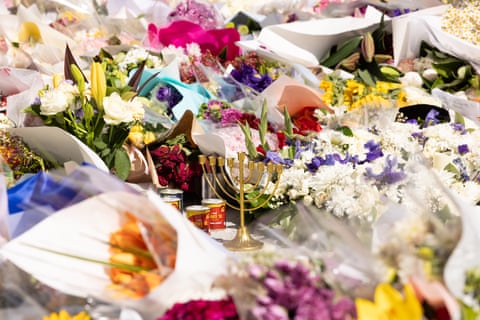
In the days following the tragedy, the community's response highlighted its resilience and cohesion. Mourners gathered at the beach to pay their respects, creating impromptu memorials with mountains of flowers—a public display of grief and solidarity. The broader Sydney community also showed support, with reports of residents donating blood en masse in response to the crisis. These actions represent a collective effort to reclaim the space and reaffirm communal bonds in the face of hatred. The funerals for victims, including Rabbi Eli Schlanger, became focal points for both mourning and a reaffirmation of community strength.
Looking Forward
The attack on Bondi Beach raises difficult questions about safety, tolerance, and the preservation of multicultural spaces in Australia. For the Jewish community, the path forward involves both healing and a determined effort to maintain Bondi's status as their sanctuary. This will likely require increased dialogue with authorities about security for public gatherings and a continued commitment to visible community presence. The suburb's significance, forged over 70 years, cannot be erased by an act of violence. Instead, the shared grief and public response may ultimately reinforce the community's connection to Bondi, ensuring it remains a place where their culture is celebrated and protected.