Read on bbc.com
Avalanche Tragedy in the Alps: Multiple Fatalities Amid Heavy Snowfall
A series of deadly avalanches has struck the Austrian Alps, claiming at least eight lives in a single day and contributing to a tragic week across the wider Alpine region. The incidents, which occurred in the Pongau area near Salzburg and in Pusterwald, highlight the severe and dangerous snow conditions following heavy precipitation. This article details the recent fatalities, examines the broader pattern of avalanche-related deaths in Austria, Switzerland, and France over the past week, and underscores the critical warnings issued by mountain rescue services about the current high-risk environment.
A devastating series of avalanches has swept through the Austrian Alps, resulting in multiple fatalities and underscoring the perilous winter conditions currently gripping the region. Following a period of heavy snowfall, the mountain ranges have become exceptionally hazardous, leading to a tragic loss of life among skiers and tourers. This report consolidates information from recent incidents, providing a sobering overview of the dangers present in alpine environments during extreme weather events.

Recent Avalanche Incidents in Austria
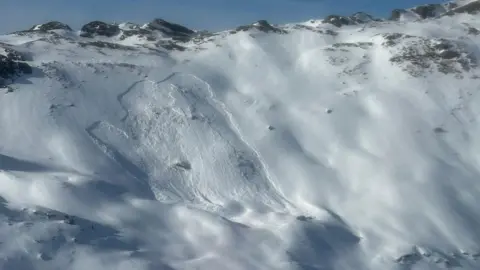
The most severe cluster of incidents occurred on a single Saturday in Austria. In the Pongau area, near the city of Salzburg, two separate avalanches claimed five lives. According to local mountain rescue officials, one avalanche struck a group of seven ski tourers near Finsterkopf mountain, killing four and seriously injuring another. In the same general area, a female ski tourer was buried and killed in open alpine terrain. Later that same day, approximately 70 miles away in Pusterwald, three Czech skiers died after being caught in another avalanche. Police confirmed that four others from the same group were rescued by emergency crews, but the three buried victims were found deceased despite immediate rescue efforts.
Broader Alpine Fatalities Over the Past Week
The tragedies in Austria are part of a wider pattern of fatal avalanches across the Alpine region during the same period. In neighbouring Switzerland, a German man was killed and four others were injured in an avalanche while they were cross-country skiing. In France, six skiers died after being caught in avalanches at various Alpine resorts the previous weekend. The week also saw other isolated fatalities in Austria, including a 58-year-old skier in the Tyrolean resort of Weerberg and a 13-year-old Czech boy in the Bad Gastein resort.
Official Response and Avalanche Warnings
Local authorities and rescue services have expressed profound sorrow over the loss of life. Gerhard Kremser, district head of the Pongau mountain rescue service, extended his deepest sympathies to the families of the victims. He stated that the tragedy "painfully demonstrates how serious the current avalanche situation is." The consistent message from officials across the affected regions is one of extreme caution, emphasizing that the snowpack is unstable and prone to triggering. The heavy snowfall has created conditions where spontaneous avalanches are possible, and even minor triggers from skiers or tourers can have catastrophic consequences.
Safety Considerations for Alpine Activities
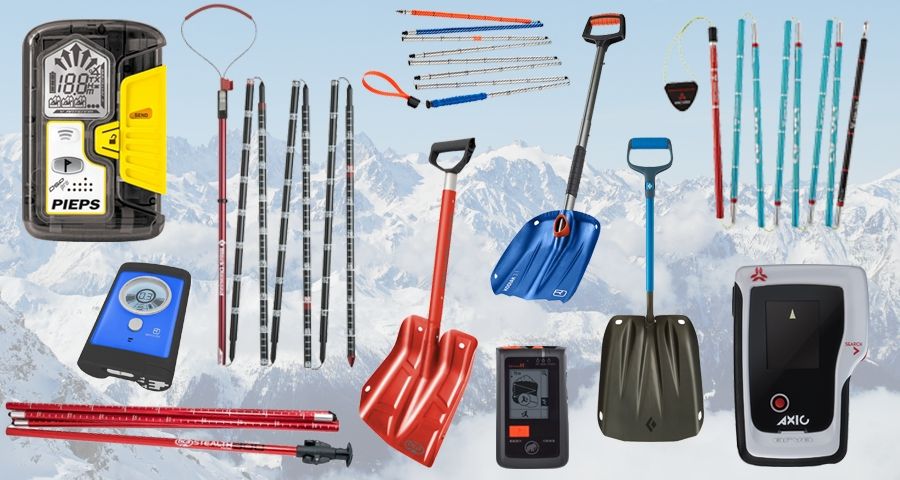
While this report does not include specific case studies or statistical deep dives, the recurring incidents serve as a critical reminder of fundamental safety protocols. Individuals planning activities in alpine regions must consult daily avalanche bulletins from official services, which provide risk assessments for specific areas. Proper equipment, including avalanche transceivers, probes, and shovels, is essential for anyone venturing into backcountry terrain. Furthermore, education on route planning, recognizing hazardous terrain, and self-rescue techniques can be life-saving. The collective toll of the past week underscores that these are not merely precautionary measures but necessary practices for survival in high-risk environments.
The recent deaths in the Alps form a somber narrative about the power of nature and the inherent risks of mountain sports. A combination of heavy snowfall and subsequent dangerous avalanche conditions has led to a tragic outcome across multiple countries. As rescue services continue to manage the aftermath and issue stern warnings, the events call for heightened awareness and adherence to safety measures from all who seek to enjoy the alpine wilderness. The priority must remain on preparedness and respect for the formidable forces at play in these majestic but unforgiving landscapes.