Catastrophic Flooding and Unusual Pet Battle: A Dual Crisis in the American Heartland
Two distinct crises are unfolding across the United States, highlighting the nation's vulnerability to natural disasters and its complex relationship with wildlife. In western Washington, catastrophic flooding has forced families to flee their homes, causing widespread displacement and property damage. Simultaneously, in Kansas, a man caring for dozens of rescued raccoons is waging a legal battle to have them recognized as pets, challenging state wildlife regulations. This article examines the immediate impacts of the flooding emergency and the broader implications of the unusual pet ownership debate.
Two starkly different yet compelling stories are capturing national attention, reflecting the diverse challenges facing communities across the United States. On one coast, a natural disaster of significant scale is unfolding, while in the nation's heartland, a unique legal and ethical battle over wildlife is taking shape. These events, though unrelated, underscore issues of community resilience, emergency response, and the evolving boundaries between humans and native animal species.
The Catastrophic Flooding in Western Washington
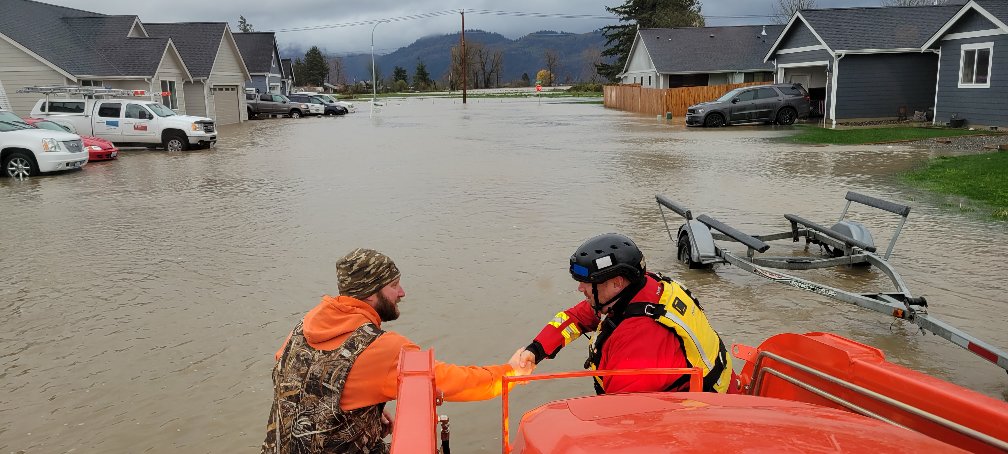
Communities in western Washington are facing a severe flooding crisis. Heavy rainfall, potentially linked to atmospheric river events common in the Pacific Northwest, has led to rivers overflowing their banks. The resulting floodwaters have inundated residential areas, prompting mandatory evacuations as families are forced to abandon their homes with little notice. The scale of the flooding is described as catastrophic, indicating significant infrastructure damage, road closures, and threats to public safety. Emergency management teams are actively engaged in rescue operations and providing shelter for displaced residents. The recovery process will be long and costly, involving damage assessment, cleanup, and rebuilding efforts for affected homeowners and businesses.
The Kansas Raccoon Sanctuary and Legal Fight
In a contrasting scenario, a man in Kansas has become the center of a legal controversy surrounding wildlife ownership. He is currently caring for dozens of raccoons, animals typically considered wild under state law. His efforts appear to stem from a rescue or rehabilitation operation, though he is now advocating for a significant legal change: to have raccoons recognized as legal pets. This position directly challenges existing Kansas wildlife regulations, which generally prohibit keeping native wild animals as pets due to concerns about public health, safety, and animal welfare. The man's fight involves navigating state statutes and potentially appealing to legislative bodies to amend the law, a process that highlights the tension between individual compassion for animals and broader regulatory frameworks designed to manage wildlife.
Implications of Legalizing Raccoons as Pets
The push to legalize raccoons as pets raises several complex questions. Proponents might argue for individual property rights and the ability to care for rescued animals. However, wildlife agencies and public health officials likely oppose such measures due to the risks raccoons can pose. They are known carriers of diseases such as rabies and roundworm, can be aggressive, and have specific dietary and environmental needs difficult to meet in a domestic setting. Legalization could also encourage the capture of wild raccoons, potentially disrupting local ecosystems. This case in Kansas may set a precedent that could influence wildlife laws in other states, making it a closely watched issue beyond its local origins.
Connecting Threads: Community and Policy Challenges
While one story is about an acute natural disaster and the other a prolonged policy debate, both speak to how American communities respond to crisis and navigate complex regulations. The flooding in Washington tests the immediate capacity of disaster response systems and community support networks. The raccoon case in Kansas tests the flexibility and intent of long-standing wildlife management policies. Both situations require coordinated action—whether from first responders and government aid agencies or from legal advocates and legislative bodies. They remind us that stability is often challenged by unforeseen events, both environmental and social, necessitating robust and adaptable systems of governance and community support.
In conclusion, the dual crises of flooding in Washington and the pet raccoon legal battle in Kansas, as reported by CBS News, present a snapshot of America's ongoing struggles with environmental forces and human-wildlife coexistence. The flooding demands immediate humanitarian and logistical response to protect lives and property. The raccoon sanctuary debate demands a careful, informed discussion about animal welfare, public safety, and the limits of law. Together, they highlight the diverse and often unexpected challenges that define community life and policy-making in different corners of the country.