Understanding Prepaid Phone Plans and MVNOs in the US
Prepaid phone plans offer an affordable alternative to traditional carrier contracts by leveraging existing mobile networks through MVNOs. These plans provide the same coverage as major carriers like AT&T, T-Mobile, and Verizon but at significantly lower prices. While they eliminate contracts and phone financing, MVNOs may have limitations such as network deprioritization and data throttling. Understanding how these services work and their relationship with major networks can help consumers make informed decisions about their mobile service needs.
Prepaid phone plans have evolved far beyond their original purpose as temporary or burner phone solutions. Today, they represent a smart alternative for consumers seeking affordable mobile service without long-term contracts or expensive phone financing. These plans operate on the same major networks as traditional carriers but offer significant cost savings by cutting out the overhead of direct network ownership and management.

What Are Mobile Virtual Network Operators?
Mobile Virtual Network Operators (MVNOs) are the backbone of the prepaid phone industry. Unlike Mobile Network Operators (MNOs) like T-Mobile, AT&T, and Verizon that own and operate their own cellular infrastructure, MVNOs purchase network access from these major carriers and resell it to consumers. This arrangement allows MVNOs to offer service on established networks without the massive capital investment required to build and maintain cellular infrastructure.
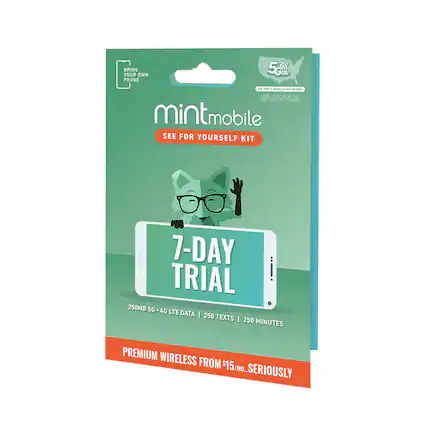
The distinction between MVNOs and traditional carriers has become increasingly blurred in recent years. Many major carriers now own their own MVNO brands—Verizon owns TracFone, T-Mobile operates Metro by T-Mobile and Mint Mobile. This consolidation means consumers can access major network quality through prepaid services owned by the very carriers they're trying to avoid.
Key Advantages of Prepaid Plans
Prepaid phone plans offer several compelling benefits that make them attractive to a wide range of consumers. The most obvious advantage is cost savings—MVNOs are almost universally less expensive than major carriers. This price difference comes from several factors: no phone financing requirements, simplified billing structures, and reduced marketing overhead.
Another significant benefit is the flexibility prepaid plans provide. Since there are no contracts, customers can switch providers or plans without facing early termination fees. Most MVNOs also allow customers to bring their own unlocked phones, eliminating the need for carrier-locked devices. This approach gives consumers complete control over their mobile experience and expenses.
Understanding the Limitations
While prepaid plans offer substantial benefits, they also come with important limitations that consumers should understand. The most significant concern is network deprioritization. During times of network congestion, MVNO customers may experience slower data speeds compared to customers of the major network operators. This means that in crowded areas like concerts or major cities, your data performance might suffer.
Many MVNOs also implement data throttling policies, even on so-called "unlimited" plans. After reaching a certain data threshold—often around 35 GB per month—customers may see their speeds reduced during peak usage times. Some providers also implement video optimization that caps streaming quality at standard definition (480p) when using mobile data.
 fmt=png-alpha" alt="Visible by Verizon prepaid service website" id="illus-3">
Choosing the Right Prepaid Provider
When selecting a prepaid phone plan, it's important to consider which underlying network the MVNO uses. Popular MVNOs on the T-Mobile network include Google Fi, Mint Mobile, and Metro by T-Mobile. Verizon network MVNOs include Visible, Spectrum Mobile, and Xfinity Mobile. AT&T network options include Cricket Wireless, Consumer Cellular, and PureTalk.
Beyond network considerations, evaluate each provider's specific policies on data limits, throttling, and additional features like mobile hotspot capability and international roaming. Customer service quality can vary significantly between MVNOs, so researching user experiences and support options is crucial before making a decision.
Making the Switch
Transitioning to a prepaid plan is straightforward thanks to FCC regulations that require carriers to allow number porting within one business day. Most MVNOs provide tools to check number transfer eligibility and guide customers through the process. While some carriers charge porting fees, many MVNOs offer this service for free as part of their customer acquisition strategy.
Before switching, ensure your phone is unlocked and compatible with the new provider's network. Most major carriers will unlock devices after certain conditions are met, such as paying off device financing or completing a specific service period. With an unlocked phone and proper research, moving to a prepaid plan can provide substantial savings without sacrificing network quality.