Read on the Guardian
Third Deadly Storm in Two Weeks Ravages Iberian Peninsula
The Iberian Peninsula faces a relentless barrage of severe weather, with Storm Marta becoming the third major storm to strike Spain and Portugal in just two weeks. Following the deadly impacts of Storms Kristin and Leonardo, Marta brought fresh torrential rains over the weekend, resulting in additional fatalities and widespread damage. This article examines the immediate impacts of these successive storms, the meteorological outlook for the region, and the broader implications for disaster response and climate resilience in Southern Europe.
The Iberian Peninsula is reeling from an unprecedented sequence of severe weather events, as Storm Marta swept across Spain and Portugal this past weekend. This marks the third major storm to batter the region in a fortnight, following the deadly flooding and destruction caused by Storms Kristin and Leonardo. The rapid succession of these extreme weather systems has overwhelmed local infrastructure, claimed multiple lives, and raised urgent questions about preparedness and climate resilience in Southern Europe.
Chronology of a Crisis: Storms Kristin, Leonardo, and Marta
The current crisis began with Storm Kristin, which made landfall on January 28th. According to reports from The Guardian, this initial storm system resulted in at least five fatalities and caused major damage across the region. The devastation was compounded just days later by Storm Leonardo, which claimed another victim last Wednesday. Before communities could begin meaningful recovery efforts, Storm Marta arrived on Saturday, bringing with it fresh torrential rains that killed two more people. This relentless pattern has left emergency services stretched thin and residents facing repeated evacuations.
Immediate Impacts and Regional Outlook
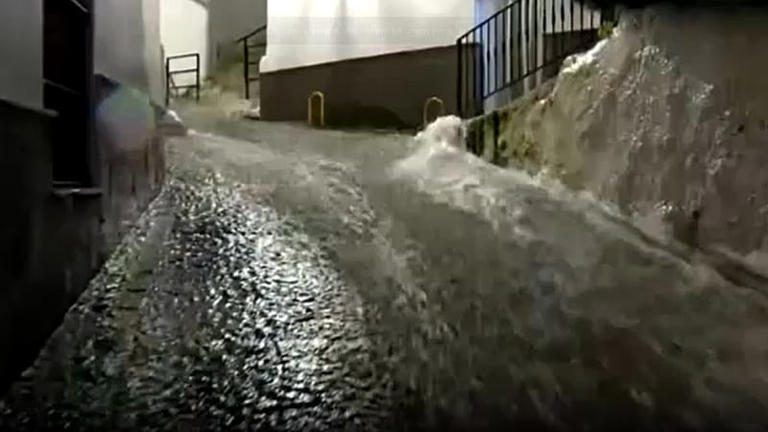
The immediate impact of Storm Marta has been severe, with widespread flooding reported across affected areas. The village of Ubrique in Cadiz, south-west Spain, provides a stark visual example of the destruction, with streets completely submerged. The meteorological outlook for the coming week offers little respite. Forecasts indicate more rain is expected across Spain, Portugal, and France, with particular concern for north-west Portugal where more than 100mm of rainfall is possible during the first half of the week. Later in the week, the heaviest precipitation is predicted to shift towards southern Italy and western parts of Greece and Turkey, potentially expanding the zone of impact.
Broader Context: Extreme Weather Patterns
While Southern Europe grapples with successive storms, other regions are also experiencing significant weather extremes. In Southern Africa, provinces including the Free State, KwaZulu-Natal, and Eastern Cape in South Africa are bracing for heavy rainfall and severe thunderstorms, with forecasts predicting totals of 80-100mm. The South African Weather Service has issued warnings for excessive lightning, gusty winds, hail, and a high risk of flooding and mudslides that could affect millions. Simultaneously, East Asia is experiencing a severe cold snap. Temperatures in Tokyo recently fell to nearly 10°C below average, with significant snowfall recorded in western Japan's Hokuriku region, where over 50cm accumulated in 24 hours.
Analysis and Implications
The clustering of three major storms in such a short timeframe is statistically unusual and points to broader atmospheric patterns that merit close scientific scrutiny. For residents and authorities in Spain and Portugal, the immediate challenge is managing ongoing response and recovery while preparing for further rainfall. The repeated events test the limits of drainage systems, flood defenses, and emergency protocols. This situation has prompted calls, as noted in related Guardian coverage, for Portugal to urgently adapt to the climate emergency. The events underscore the increasing volatility of weather systems and the necessity for enhanced, resilient infrastructure and forward-looking disaster management strategies that account for back-to-back extreme events.
In conclusion, the Iberian Peninsula's ordeal with Storms Kristin, Leonardo, and Marta represents a severe and concentrated weather disaster. The loss of life and extensive damage highlight the human and economic costs of such events. As the region looks ahead to more predicted rainfall, the focus must remain on protecting vulnerable communities, supporting recovery efforts, and investing in long-term climate adaptation measures to withstand an increasingly unpredictable environment.