Read on the Guardian
Australia's Record-Breaking Heatwave: An Eighth Day of Scorching Temperatures Before Relief
Australia's south-eastern regions are enduring an unprecedented eighth consecutive day of extreme heat, with temperatures forecast to exceed 45°C in parts of inland New South Wales and Queensland. The Bureau of Meteorology has issued heatwave warnings for every state and territory except Tasmania, with records tumbling in northern South Australia. A significant cool change is expected to sweep across the region this weekend, bringing much-needed relief and a dramatic temperature drop of up to 15°C, while highlighting the increasing intensity of such events linked to global heating.
Australia is in the grip of a severe and prolonged heatwave, with its south-eastern quadrant baking for an eighth consecutive day under blistering conditions. The Bureau of Meteorology (BoM) forecasts that this Saturday will deliver another round of extreme temperatures before a significant cool change arrives, offering respite from the relentless heat that has shattered records and strained communities. This event underscores the growing intensity of extreme weather patterns in a warming climate.
The Peak of the Heatwave
On Saturday, heatwave warnings remained active across parts of every Australian state and territory, with Tasmania being the sole exception. The epicenter of the heat continues to be inland areas, where temperatures are forecast to soar into the mid-to-high 40s Celsius. Specific forecasts highlight the severity: Thargomindah in Queensland is expected to reach 46°C, Mildura in Victoria 45°C, and the national capital, Canberra, a scorching 41°C. In western New South Wales, towns like Broken Hill and Ivanhoe were bracing for peaks of 45°C and 49°C respectively.
This follows a week of record-shattering heat. On Friday, maximums peaked around 50°C in northern South Australia and western NSW. Marree hit 49.8°C and Andamooka near Roxby Downs reached 50°C, both setting new records. For Marree, it marked the seventh consecutive day above 46°C. Other locations, including Ceduna, Port Augusta, and Tarcoola, also experienced temperatures above 48°C this week, illustrating the widespread and persistent nature of this heat event.

The Impending Cool Change
Relief is finally on the horizon. Senior BoM meteorologist Dean Narramore confirmed that a cool change is expected to sweep across the country's south-east over the weekend, marking an end to the eight-day streak of temperatures above 40°C. The change is being driven by widespread rain and storms associated with a monsoon low in tropical north Australia. This system will push cooler air into Victoria and South Australia on Saturday, before extending across the remainder of the south-east on Sunday.
The temperature drop is forecast to be dramatic, with some areas experiencing a fall of up to 15°C. By Sunday, maximums are expected to be significantly lower: Sydney is forecast for 29°C with possible showers, Canberra down to 31°C, Melbourne to 19°C, Adelaide to 25°C, and Brisbane to 33°C. This shift will provide critical relief for residents, infrastructure, and emergency services, who have been battling associated bushfires.
Broader Context and Climate Links
This heatwave is Australia's second major event for January 2026, following another earlier in the month. Climate analysts have stated that the earlier heatwave was made five times more likely due to human-caused global heating. The current event further reinforces the established scientific consensus that the climate crisis is increasing the frequency, duration, and severity of extreme weather events, including heatwaves and the bushfires they exacerbate.
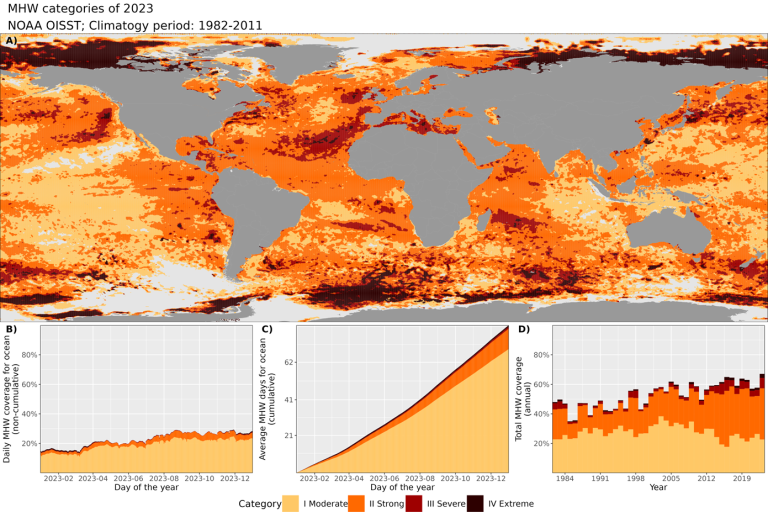
The BoM's long-range forecast indicates that hotter-than-average days and nights are likely to continue for much of the country until at least April. Furthermore, sea surface temperatures around Australia and globally are expected to remain warmer than average, a factor that can influence weather patterns and contribute to extreme conditions. This persistent heat poses ongoing risks to public health, agriculture, water resources, and energy grids.
Conclusion and Outlook
The conclusion of this eight-day heatwave will bring welcome relief, but it serves as a potent reminder of Australia's vulnerability to extreme heat. The records broken this week are not isolated incidents but part of a disturbing trend linked to climate change. As the cool change arrives, communities and authorities must use the reprieve to review preparedness plans for future events. Building resilience against heat—through urban planning, public health initiatives, and energy system fortification—is becoming increasingly urgent. This event underscores that adapting to a hotter climate is an immediate and critical challenge for the nation.