Read on PBS News
Storm Marta Triggers Deadly Flash Floods in Northern Morocco
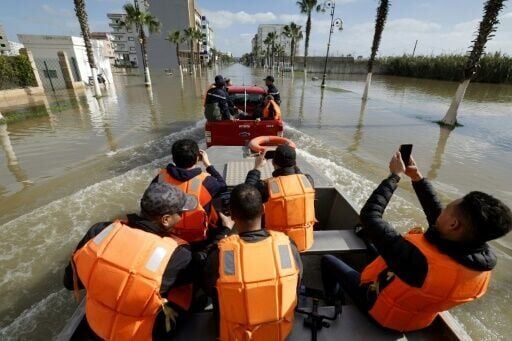
Flash floods triggered by Storm Marta in northern Morocco have resulted in at least four fatalities, including three children, as the country contends with severe weather. The storm, which followed another significant weather system, has led to mass evacuations, damaged infrastructure, and prompted an official investigation. While the immediate impact is devastating, officials note the heavy rainfall has also alleviated a prolonged drought, securing vital water resources for agriculture and drinking water.
Northern Morocco is grappling with the deadly aftermath of Storm Marta, a severe weather system that unleashed torrential rains and triggered flash floods over the weekend. The disaster has claimed multiple lives and forced widespread evacuations, highlighting the region's vulnerability to extreme weather events. This article examines the immediate impacts of the floods, the meteorological context of the consecutive storms, and the broader implications for a nation emerging from years of drought.
The Immediate Impact and Casualties

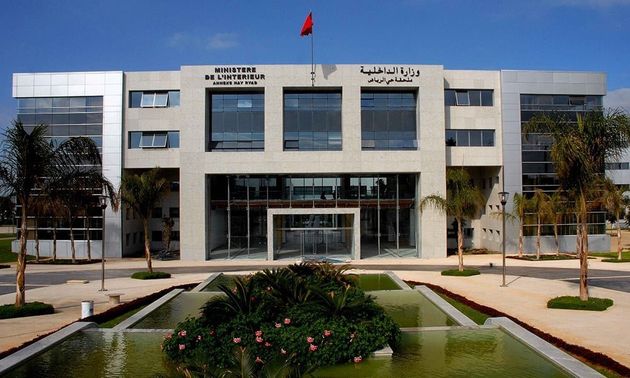
According to a statement from Morocco's Interior Ministry, the flash floods killed at least four people in a village near Tétouan, approximately 270 kilometers north of the capital, Rabat. The victims included three children—a girl and two boys aged between 2 and 14—and a man in his 30s. Their vehicle was swept away by the powerful floodwaters. Another individual remains missing following the incident. In response to the tragedy, local authorities have announced they will open an investigation to determine the precise circumstances that led to the fatalities.
Meteorological Context: Storms Marta and Leonardo
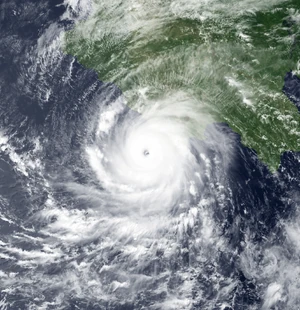
The flash floods were directly caused by Storm Marta, which moved into Morocco over the weekend. Houssine Youabed of Morocco's General Directorate of Meteorology reported that the storm dumped up to 92 millimeters (3.6 inches) of rain on some northern cities. Storm Marta also affected neighboring Spain and Portugal. This severe weather event followed closely on the heels of another storm, Leonardo, which had struck northern Africa and the Iberian peninsula just days earlier. Storm Leonardo caused significant damage by overfilling dams and rivers, which led to home and crop damage, triggered minor landslides, and forced the evacuation of more than 150,000 people. The cumulative effect of these back-to-back storms has placed immense strain on the region's infrastructure and emergency response capabilities.
Broader Implications and Silver Linings
While the immediate human and material costs are severe, Moroccan officials have pointed to a significant long-term benefit from the intense rainfall. The country has been suffering from a yearslong drought, critically impacting water supplies and agricultural output. The turbulent weather from both Leonardo and Marta has, according to officials, secured at least a year's supply of drinking water for Morocco and provided a substantial boost to resources for the vital agricultural sector. This paradoxical outcome underscores the complex relationship between climate patterns and resource management in arid regions.
Response and Preparedness
The events have prompted a national conversation about disaster preparedness and infrastructure resilience. The forced releases of water from overfilled dams, a necessary measure to prevent catastrophic failure, contributed to the flooding conditions and necessitated mass evacuations. This highlights the challenging balance water management authorities must strike between storing water for future needs and ensuring public safety during extreme precipitation events. The announced investigation into the Tétouan-area deaths will likely scrutinize emergency warning systems, road safety during storms, and evacuation protocols.
Conclusion
The flash floods in northern Morocco serve as a stark reminder of the increasing frequency and intensity of extreme weather events. While the loss of life is a profound tragedy, the replenishment of water reserves offers a crucial reprieve from persistent drought conditions. Moving forward, Morocco faces the dual challenge of enhancing its flood mitigation and emergency response systems while strategically managing the valuable water resources delivered by these powerful storms. The investigation's findings and subsequent policy adjustments will be critical in building resilience against future climatic extremes.