Lean Pork Outperforms High-Fat Pork for Post-Workout Muscle Growth
New research from the University of Illinois reveals that lean pork stimulates significantly greater muscle growth after exercise compared to high-fat pork, even when both contain identical protein amounts. The study, published in the American Journal of Clinical Nutrition, found that fat content actually blunts the body's muscle-building response, challenging previous assumptions about fatty foods enhancing recovery. This discovery adds to growing evidence that food form and processing significantly impact how effectively protein supports muscle development following weight training.
Groundbreaking research from the University of Illinois at Urbana-Champaign has revealed surprising findings about post-workout nutrition that could reshape how athletes and fitness enthusiasts approach muscle recovery. A new study demonstrates that lean pork builds muscle more effectively after exercise than high-fat pork, even when both contain identical protein levels. This discovery challenges conventional wisdom about protein sources and their impact on muscle synthesis.
The Study Design and Methodology
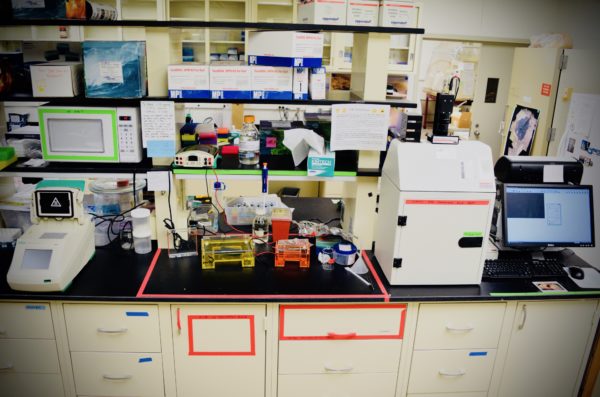
Researchers conducted a carefully controlled experiment involving 16 young, physically active adults to examine how different types of pork affected muscle growth following weight training. The team collaborated with the University of Illinois Meat Science Laboratory to create pork patties with precisely defined fat levels, a process that took nearly a year to perfect. All meat came from a single pig to ensure consistency, and the patties underwent detailed nutrient analysis before being used in the study.
The research team employed advanced tracking techniques, including isotope-labeled amino acid infusions, to monitor how quickly amino acids integrated into muscle tissue. Participants received these infusions before beginning workout and meal trials, with blood samples collected throughout the process to measure circulating amino acid levels. Muscle biopsies were taken both before and after the two-hour infusion to establish baseline measurements for muscle-protein synthesis.
Surprising Results Challenge Previous Findings
After participants completed leg press and leg extension exercises, they consumed one of three test meals: a high-fat pork burger, a lean pork burger, or a carbohydrate drink. Five hours later, researchers took additional muscle biopsies to measure how the meal and exercise combination affected protein synthesis. The results were unexpected and contradicted previous research findings.

While amino acid levels in the blood increased after eating pork compared to the carbohydrate drink, those who consumed lean pork burgers showed the largest increases in both total and essential amino acids. More importantly, participants who ate lean pork after weight training demonstrated significantly greater rates of muscle-protein synthesis than those who consumed high-fat pork. This finding directly contradicts earlier studies that suggested fattier foods like whole eggs or salmon enhanced post-exercise muscle-protein synthesis compared to their lower-fat counterparts.
Implications for Fitness and Nutrition
The research led by Professor Nicholas Burd and graduate student Žan Zupančič reveals that not all high-quality animal protein foods produce equal muscle-building effects. The high-fat pork seemed to blunt the body's muscle-building response, with participants who consumed it showing only slightly better muscle-building potential than those who drank a carbohydrate sports beverage after exercise.
Professor Burd emphasizes that exercise remains the strongest stimulus for muscle-protein synthesis, with nutrition serving to optimize the remaining potential. "What we're finding is that not all high-quality animal protein foods are created equal," Burd noted in the study published in the American Journal of Clinical Nutrition. The research suggests that when it comes to eating after weight-training, whole, unprocessed foods appear to provide better stimulation for muscle growth.

Practical Applications and Future Research
While the study provides clear evidence about the superiority of lean pork for post-workout muscle building, researchers caution that the findings may be specific to ground pork preparations. The processing involved in grinding meat and adding fattier meat to lean portions might affect digestion kinetics, potentially explaining why lean pork elicited a stronger muscle-building response in this particular study.
For individuals seeking to optimize muscle gains from weight training, these findings suggest that paying attention to both protein quantity and food form could yield better results. The research adds to growing evidence that whole, unprocessed foods often stimulate muscle growth more effectively after exercise than their processed counterparts, though the specific mechanisms behind these differences require further investigation.
As nutritional science continues to evolve, this study represents another step toward understanding how different food matrices affect our body's ability to build and repair muscle tissue following physical activity.