Immigration Raid at Hyundai Georgia EV Plant Detains 475 Workers
Federal immigration authorities conducted a major enforcement operation at a Hyundai electric vehicle manufacturing site in Georgia, resulting in the detention of 475 individuals. The raid represents one of the largest workplace immigration enforcement actions in recent years and highlights ongoing tensions between immigration policy and manufacturing labor needs. The operation targeted workers at the sprawling facility where the South Korean auto giant produces electric vehicles for the American market.
Federal immigration authorities have conducted a significant enforcement operation at a Hyundai electric vehicle manufacturing facility in Georgia, resulting in the detention of 475 individuals according to Homeland Security officials. This raid represents one of the largest workplace immigration enforcement actions in recent years and underscores the ongoing tensions between federal immigration policy and the labor needs of major manufacturing operations.
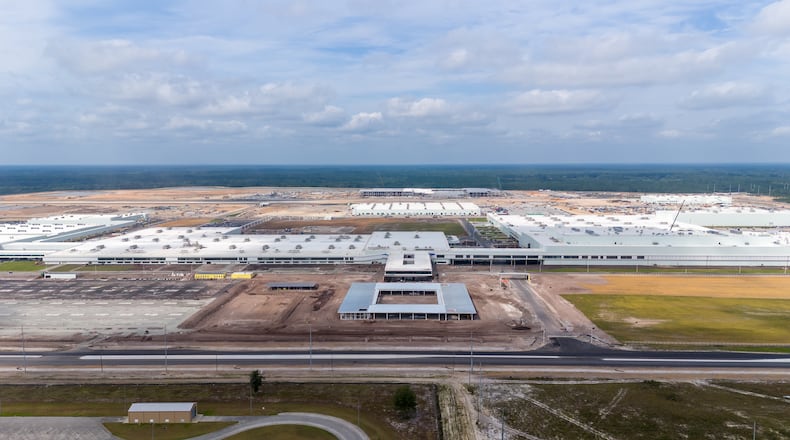
The operation targeted workers at the sprawling manufacturing site where the South Korean automotive company produces electric vehicles for the American market. The scale of this enforcement action highlights the continued focus on workplace immigration compliance and the challenges faced by manufacturers in verifying worker documentation.
Scope and Impact of the Enforcement Action
The detention of 475 individuals represents a substantial workforce reduction at the manufacturing facility, potentially affecting production schedules and operational capacity. Such large-scale enforcement actions typically involve coordinated efforts between multiple federal agencies, including Immigration and Customs Enforcement (ICE) and Homeland Security Investigations (HSI).

Workplace immigration raids have become increasingly common as federal authorities seek to enforce employment verification requirements. The Georgia operation follows a pattern of targeted enforcement at large manufacturing facilities where undocumented workers may comprise significant portions of the workforce.
Manufacturing Industry Implications
The automotive manufacturing sector, particularly electric vehicle production, has been expanding rapidly in the southeastern United States. Georgia has emerged as a hub for EV manufacturing, attracting significant foreign investment from companies like Hyundai, Kia, and Rivian. This growth has created substantial employment opportunities but also raised questions about workforce documentation and compliance.

Manufacturers face ongoing challenges in verifying worker eligibility while meeting production demands and workforce requirements. The tension between enforcement actions and industry labor needs continues to shape discussions around immigration policy and economic development.
Large-scale enforcement operations like the Georgia raid typically involve months of investigation and coordination between federal agencies. Employers found to have knowingly hired undocumented workers may face significant penalties, including fines and potential criminal charges for company officials.
The detention of 475 workers will likely have ripple effects throughout the local economy and manufacturing supply chain. Such operations often lead to temporary production disruptions and require companies to rapidly recruit and train replacement workers to maintain operational continuity.