Read on PBS News
Building Collapse in Tripoli Kills at Least Nine, Exposing Lebanon's Infrastructure Crisis
A multistory apartment building collapsed in the northern Lebanese city of Tripoli, killing at least nine people, including a child and a woman, and injuring others. Rescue teams saved six people and continue to search for eight more believed missing. The tragedy in the impoverished Bab Tabbaneh neighborhood has ignited public outrage and accusations of government neglect, highlighting widespread concerns over poor building standards and shoddy infrastructure across Lebanon.
A devastating building collapse in northern Lebanon has resulted in significant loss of life and renewed urgent questions about public safety and government accountability. On Sunday, a multistory apartment building in the city of Tripoli crumbled, killing at least nine people and prompting a frantic rescue operation. As reported by the state-run National News Agency and covered by the Associated Press via PBS NewsHour, the incident underscores a persistent crisis of infrastructure neglect in one of Lebanon's most economically challenged regions.
The Collapse and Immediate Aftermath
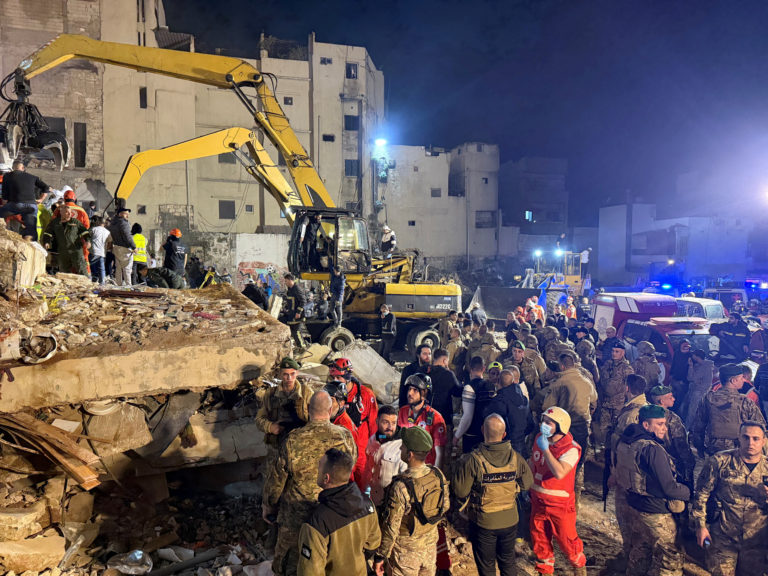
The building gave way in the Bab Tabbaneh neighborhood of Tripoli, Lebanon's second-largest city. State media confirmed that nine bodies were recovered from the rubble, including those of a child and a woman. Rescue teams successfully extracted six survivors and were continuing to dig through the debris in search of an additional eight individuals believed to be missing at the time of reporting. The scene was chaotic, with dozens of onlookers gathering around the massive crater left by the collapse, and some individuals reportedly firing shots into the air.
A Pattern of Neglect and Poor Infrastructure
This tragedy is not an isolated event. Building collapses are, unfortunately, not uncommon in Tripoli, a city where residents have long decried government neglect and deteriorating infrastructure. The Bab Tabbaneh area is one of the poorest in the city, and the building's failure has been directly attributed to poor construction standards and a lack of maintenance. In a strongly worded statement, the national syndicate for property owners labeled the collapse a result of "blatant negligence and shortcomings of the Lebanese state toward the safety of citizens and their housing security." The syndicate emphasized that this was "not an isolated incident" and called for a comprehensive national survey of buildings at risk of collapse—a plea that highlights the systemic nature of the problem.
Government Response and Accountability
In the wake of the disaster, Lebanese government officials have pledged action. The Health Ministry announced that all those injured would receive treatment at the state's expense. Prime Minister Nawaf Salam stated that the government would assist in providing shelter to survivors and to residents of surrounding buildings that were evacuated due to safety concerns. He also committed to reinforcing any buildings deemed dangerous, though he noted that identifying such structures is the responsibility of local authorities. Crucially, Salam asserted that the government "will not shirk our responsibility... including holding accountable anyone who may have been negligent in this matter." This promise of accountability will be closely watched by a public weary of official inaction.
Broader Implications for Lebanon
The collapse in Tripoli is a stark symptom of Lebanon's broader political and economic crises. Years of financial meltdown, political paralysis, and corruption have crippled public services and infrastructure maintenance across the country. The disaster exposes the human cost of this systemic failure, particularly for the most vulnerable citizens living in neglected urban areas. It raises urgent questions about building codes, enforcement, and urban planning in a nation struggling to provide basic security for its people.
The tragedy in Tripoli is a profound loss for the families affected and a sobering reminder of the consequences of infrastructural decay. While rescue efforts continue and the government makes promises, the event underscores a critical need for sustained, systemic reform to prevent such disasters from recurring. The call for a national building safety survey is a necessary first step, but it must be followed by genuine investment, enforcement, and a renewed commitment to public welfare from Lebanon's leadership.