Read on PBS News
News Wrap: Legal Ruling, Power Outages, and Geopolitical Tensions
A federal judge has dismissed capital murder charges against Luigi Mangione, a significant legal development in a high-profile case. Meanwhile, a severe winter storm continues to cripple the southern United States, leaving hundreds of thousands without power for nearly a week as another cold front approaches. In international news, Russia has declared a temporary pause in attacks on Ukraine's capital, a move met with skepticism by Ukrainian officials and residents. These events highlight ongoing challenges in the U.S. justice system, infrastructure resilience, and global security.
Recent developments across legal, domestic, and international spheres underscore a week of significant events. A major judicial ruling has altered the course of a high-profile federal case, while extreme weather continues to test the resilience of infrastructure in the American South. Concurrently, geopolitical maneuvers introduce a fragile, temporary reprieve in an ongoing conflict. This analysis delves into the implications of these separate but impactful news items.

Legal Ruling: Death Penalty Charges Dismissed
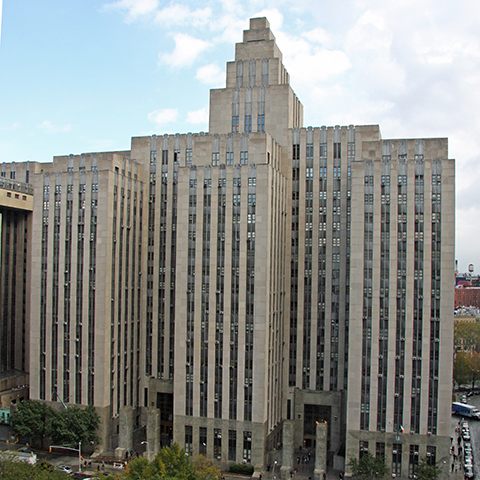
In a notable legal decision, U.S. District Judge Margaret Garnett ruled that federal prosecutors cannot seek the death penalty against Luigi Mangione. The charges, related to the killing of UnitedHealthcare CEO Brian Thompson, were dismissed on grounds of being legally incompatible with separate stalking charges already filed against Mangione. This ruling represents a critical juncture in the case, significantly limiting the potential penalties faced by the defendant.
According to the PBS NewsHour report, the decision was met with relief by Mangione's defense team outside the courthouse. Prosecutors retain the right to appeal the dismissal within a 30-day window. This case highlights the complex interplay between different criminal charges and the stringent legal standards required for capital punishment at the federal level.
Persistent Power Crisis in the South
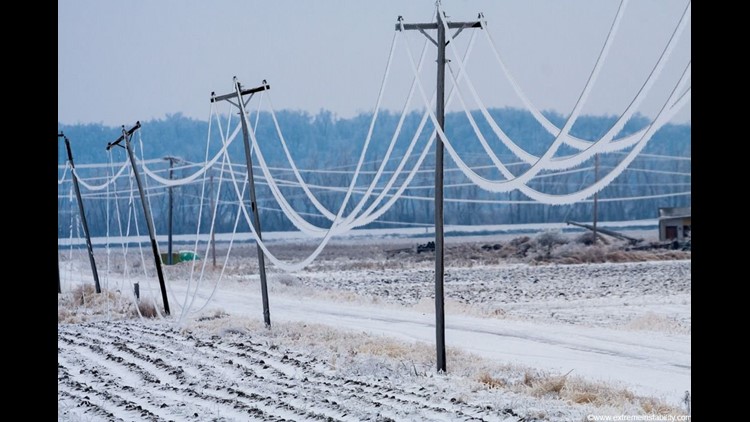
A debilitating winter storm that struck last weekend has led to a prolonged power crisis across the southern United States. As of recent reports, nearly 230,000 homes and businesses have endured six consecutive days without electricity. The situation remains dire, with little immediate relief in sight as another wave of extreme cold is forecasted to plunge temperatures further over the coming weekend.
Authorities have linked approximately 90 deaths to the extreme cold across affected states from Texas to New York, with roughly half occurring in Tennessee, Mississippi, and Louisiana—areas experiencing the most severe outages. North Carolina Governor Josh Stein warned residents to prepare for potentially heavy snowfall, which could exacerbate the situation by knocking down more trees and power lines. This ongoing crisis raises urgent questions about grid resilience and emergency response capabilities in the face of increasingly severe weather events.
Geopolitical Tensions: A Temporary Pause in Ukraine
On the international front, Russia has announced a temporary halt to attacks on Ukraine's capital, Kyiv, though it clarified this pause would only last until Sunday. This declaration follows statements from former U.S. President Donald Trump about securing a one-week pause due to frigid temperatures, though the Kremlin's position appeared less definitive. Ukrainian President Volodymyr Zelensky reported that Russian strikes continued on energy targets in other regions.
In Kyiv, residents expressed deep skepticism about the durability of any ceasefire. One resident, Kostiantyn, voiced a common sentiment, stating through an interpreter a distrust of the agreements and a belief that Russia's goal remains the destruction of Ukraine. Ukraine has frequently accused Moscow of using winter conditions as a weapon by targeting energy infrastructure. The temporary nature of this halt underscores the fragility of the situation and the profound humanitarian impact of the conflict, especially during harsh winter months.
These events, while distinct, collectively paint a picture of a moment where legal boundaries are tested, infrastructure is strained, and geopolitical conflicts offer only the most fleeting of respites. Each situation demands continued attention and robust response from responsible institutions and leaders.